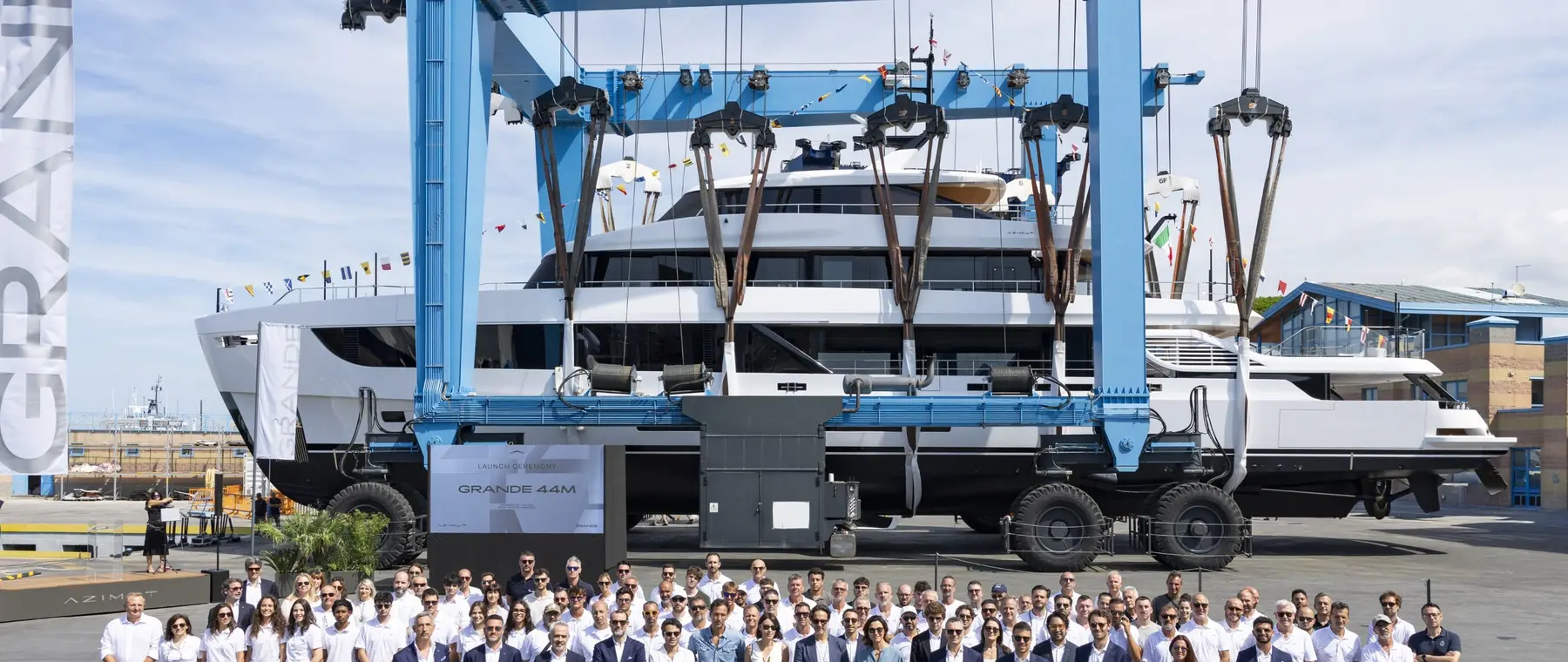
Azimut’s Grande 44M uses a 400kg carbon Hull Vane with mild-hybrid propulsion and solar generation as the builder reports seven units sold before Monaco.
Azimut’s Grande 44M uses a fixed Hull Vane hydrofoil at the stern as part of a wider package aimed at reducing hydrodynamic resistance. The foil weighs about 400kg in carbon fibre, compared with roughly 1,500kg for an equivalent steel construction, according to Hull Vane and Azimut.
The hydrofoil is designed to suppress part of the stern wave, improve flow behind the hull and generate forward-directed lift. Hull Vane also says the installation can damp pitching and rolling, so the component is intended to contribute to both energy efficiency and onboard comfort rather than serving as a weight-saving exercise alone.
Azimut says seven Grande 44M units were sold before the model’s Monaco Yacht Show appearance. The commercial figure places the technology package on a production programme with multiple owners rather than on a single experimental yacht.
The 43.6-metre flagship is being displayed in Monaco alongside the Grande Trideck and Grande 30M. Exterior design is by Alberto Mancini, interiors are by m2atelier, and the naval architecture combines Azimut Benetti Group research with work by P.L. Ausonio Naval Architecture.
The carbon foil is only one part of the Grande 44M’s efficiency strategy. Azimut also uses a mild-hybrid system with two 50kW electric machines configured as shaft generators, a battery installation and integrated solar panels to reduce generator demand during selected operating periods.
Azimut says the combination of hydrodynamic, hybrid, solar and lightweight-construction measures can reduce carbon-dioxide emissions by up to 30 percent compared with a similarly sized yacht using conventional naval architecture. That figure is a builder claim for the combined package, not a measured contribution attributable to the Hull Vane alone.
Carbon fibre is used extensively elsewhere on the yacht, with Azimut saying more than 1,000 square metres of the vessel’s surface employs the material. The yard attributes an eight-tonne saving in the yacht’s upper structures to that construction approach, helping manage stability while creating a four-deck layout on a yacht of this length.
The upper arrangement moves the wheelhouse and captain’s cabin to an enclosed volume on the sun deck, freeing the deck below for owner-focused accommodation and social space. By pairing that layout with weight reduction and resistance-control technology, the Grande 44M provides a useful example of how naval architecture, structures and onboard energy systems are increasingly being developed as one package.
Explore
Go deeper into the yachts, companies, events and destinations directly connected to this article.
Continue reading
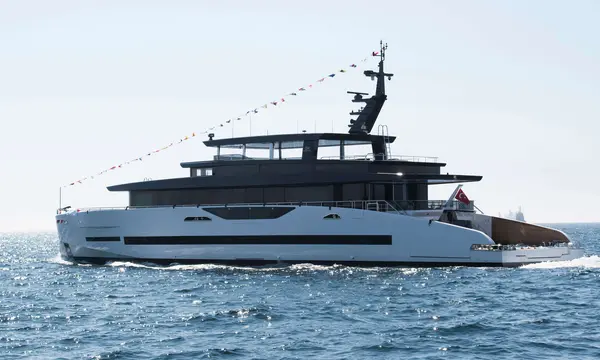
SES Yachts is highlighting the delivered 42m MERINOS at Monaco, where its 940kWh battery bank and solar-assisted hybrid architecture provide the technical focus.
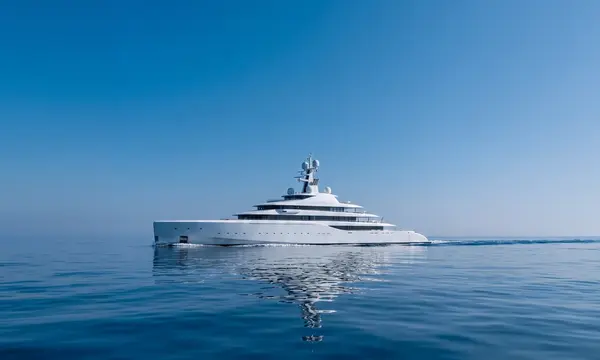
OmniAccess Fusion 2.0 combines multiple LEO and GEO satellite services under one yacht subscription and shared data allowance instead of separate carrier plans.
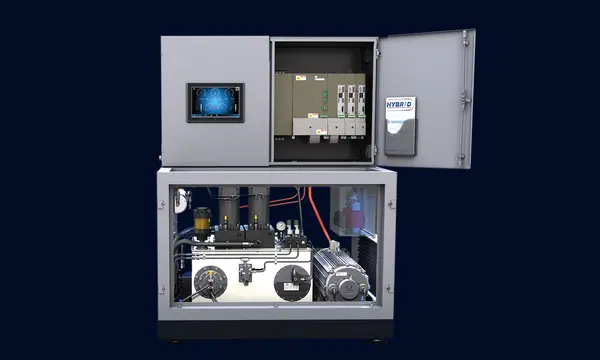
Quantum says its F45 hybrid stabiliser power system can reduce power use by up to 80% underway and 60% at zero speed while recovering …
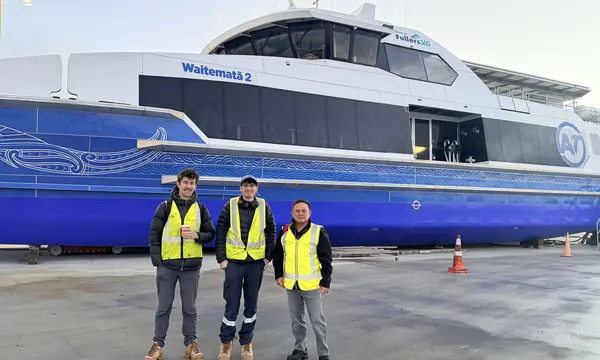
Danfoss says the hybrid-electric Waitematā 2 reached 36 knots in full-electric mode, demonstrating a high-power battery architecture with four propulsion lines.
Superyacht Guide
Continue into the wider Superyacht Guide.