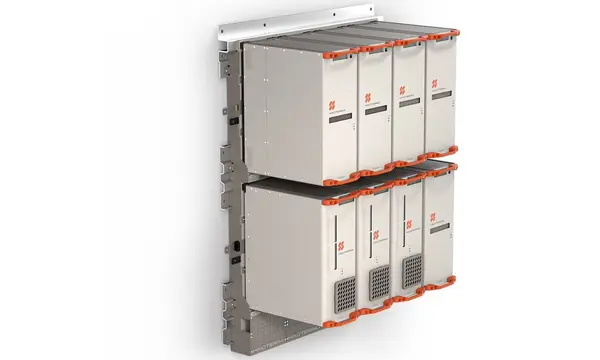
HikoTerra Expands Marine Hybrid Power Support Across Eight Regions
HikoTerra adds distributors and technical partners for the modular H⁴ Hybrid Power System, with configurations allowing up to 30kW of inversion and 96kWh of …
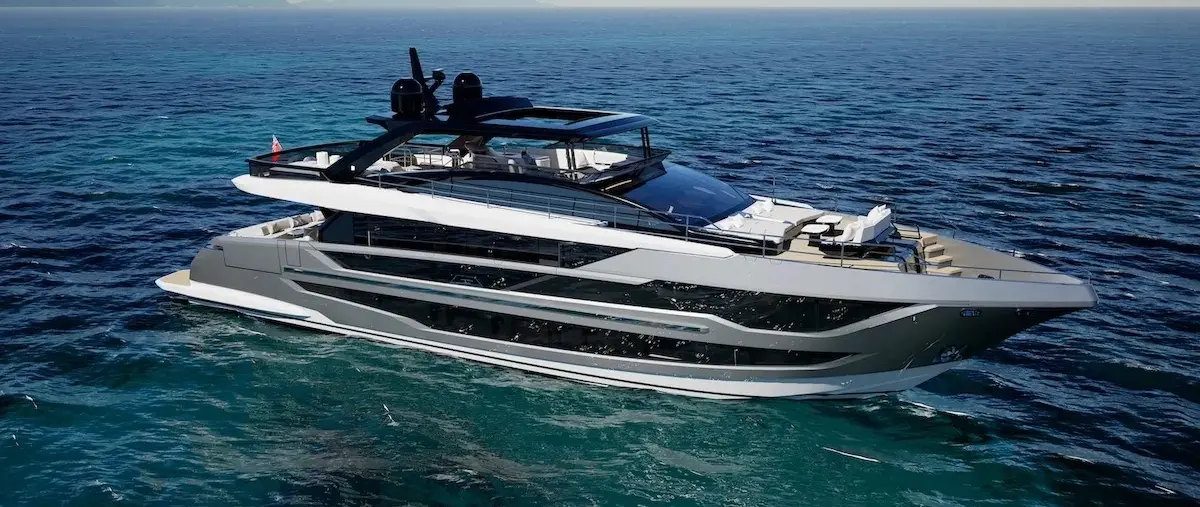
The first Pearl 100 Hybrid is scheduled for its world debut at Fort Lauderdale, introducing the company’s largest yacht and its first hybrid propulsion system.
Pearl Yachts has scheduled the world debut of its Pearl 100 Hybrid at the Fort Lauderdale International Boat Show, which begins on 28 October 2026. The approximately thirty-metre raised-pilothouse motor yacht is described as the largest Pearl produced to date and the first in its range to use hybrid propulsion. The company announced the show plans in October after completing initial sea trials.
The debut matters because it places a physical vessel in front of international buyers after the launch and testing phases. A visitor can assess circulation, fit-out and the proportions of the spaces far more confidently than through early renders. Nevertheless, performance statements should be checked against sea-trial documentation, and attending the show does not by itself confirm that every technical target has been independently certified.
The hull was developed with Dixon Yacht Design, responsible for naval architecture and exterior styling. Kelly Hoppen CBE has created the Monochrome interior scheme presented with the flagship. The collaboration combines an established family-yacht layout with a more complex engineering brief, making the yacht a useful reference for owners considering hybrid power in a relatively manageable superyacht size.
Pearl says the yacht uses an e-Motion hybrid system combining MAN diesel engines with electric motors. The installation is designed to offer different modes of operation, including quieter movement under electric power and support for hotel loads without conventional generator operation in suitable circumstances. The practical duration of those modes depends on battery charge, load and operating conditions.
The manufacturer’s September trial announcement confirmed that the completed yacht had been operated on the water for initial evaluation. It did not establish a universal guarantee for zero-emission operation across every voyage. A prospective owner should request fuel and power-management data under defined conditions, together with the maintenance strategy for batteries, propulsion equipment and the control system.
Hybrid designs are increasingly judged by how calmly they support life at anchor rather than by headline speed alone. Reduced machinery noise can improve an evening in the saloon or a peaceful morning aboard, but technical flexibility creates new responsibilities for crew training. Emergency power procedures, safe isolation and a clear maintenance regime should be incorporated into any owner’s operating plan.
The general arrangement provides five ensuite guest cabins, with a full-beam owner’s suite on the main deck opening onto a private forward terrace. A second full-beam suite sits amidships below, with additional double and twin guest accommodation completing the plan. Such a layout can give two principal parties substantial independence without demanding the volume of a much larger yacht.
Pearl also describes a flybridge connected to the foredeck and an aft cockpit with opening wings that expand the usable waterside platform. These elements are intended for enjoyment at rest and in suitable conditions. Their operating limits, alarms and securing arrangements need to be understood by the crew, particularly when guests move between several outdoor levels.
Separate crew accommodation is provided, an essential consideration for a boat likely to be used on extended journeys. A smart owner will evaluate access between galley, machinery, service spaces and accommodation as carefully as cabin design. The quality of a holiday depends on a practical working yacht behind the luxury surfaces.
The public debut should provide buyers with a better understanding of actual interior finishes, equipment access and the relationship between the raised pilothouse and guest spaces. Pearl’s planned presentation does not constitute an independent post-delivery reliability assessment. Owners should ask about warranty terms, classification and the specific hybrid operating modes available in the production specification.
Hybrid technology adds choices to an itinerary, but does not remove the needs of marine passage planning. Crew should establish charging opportunities, shore-power compatibility and appropriate reserves before estimating how long particular operating modes can be used. Tender handling and weather limitations remain important even on a yacht with advanced electrical systems.
The Pearl 100 Hybrid is noteworthy for bringing the builder’s first hybrid platform to a flagship above twenty-four metres, with its Fort Lauderdale display providing a timely chance to inspect the finished yacht. The next meaningful assessments will come from confirmed operational data and the experience of owners and crews after handover.
Continue reading
HikoTerra adds distributors and technical partners for the modular H⁴ Hybrid Power System, with configurations allowing up to 30kW of inversion and 96kWh of …

IMSO opens its 30th Assembly in London with delegates from 112 Parties reviewing GMDSS satellite distress service resilience and LRIT performance.
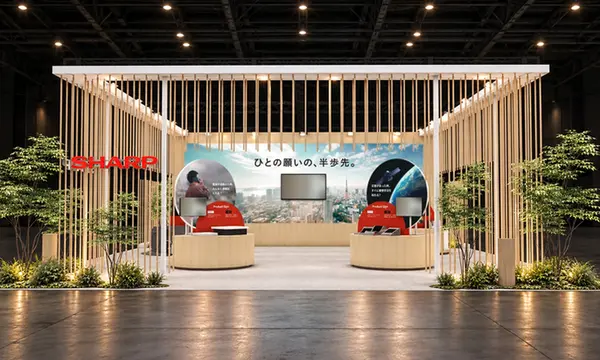
Sharp prepares to demonstrate its MEO/LEO tracking satellite user terminals at CEATEC 2026, with marine vessels among the planned mobile use cases.
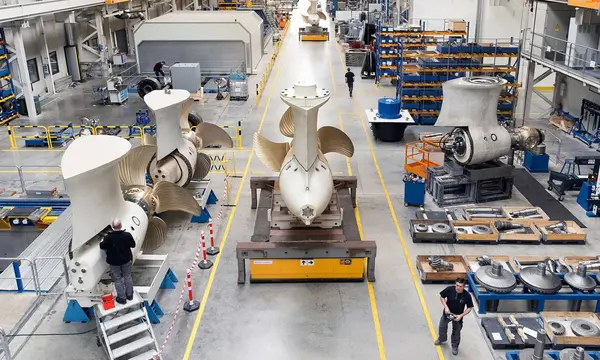
Schottel reports 20 superyachts on order with its forward-facing EcoPeller azimuth propulsion system, highlighting efficiency, manoeuvrability and reduced onboard noise.
Superyacht Guide
Continue into the wider Superyacht Guide.
Business opportunities · Superyacht Guide
Companies serving the superyacht market can discuss clearly identified advertising, sponsorship and business-profile opportunities. Commercial activity remains separate from independent editorial coverage.