
Azimut Joins Ferrari Hypersail as Technical Partner for Ocean Trials
By Stephen Yardley · Edited by Stephen Yardley
Image: Marine Industry News
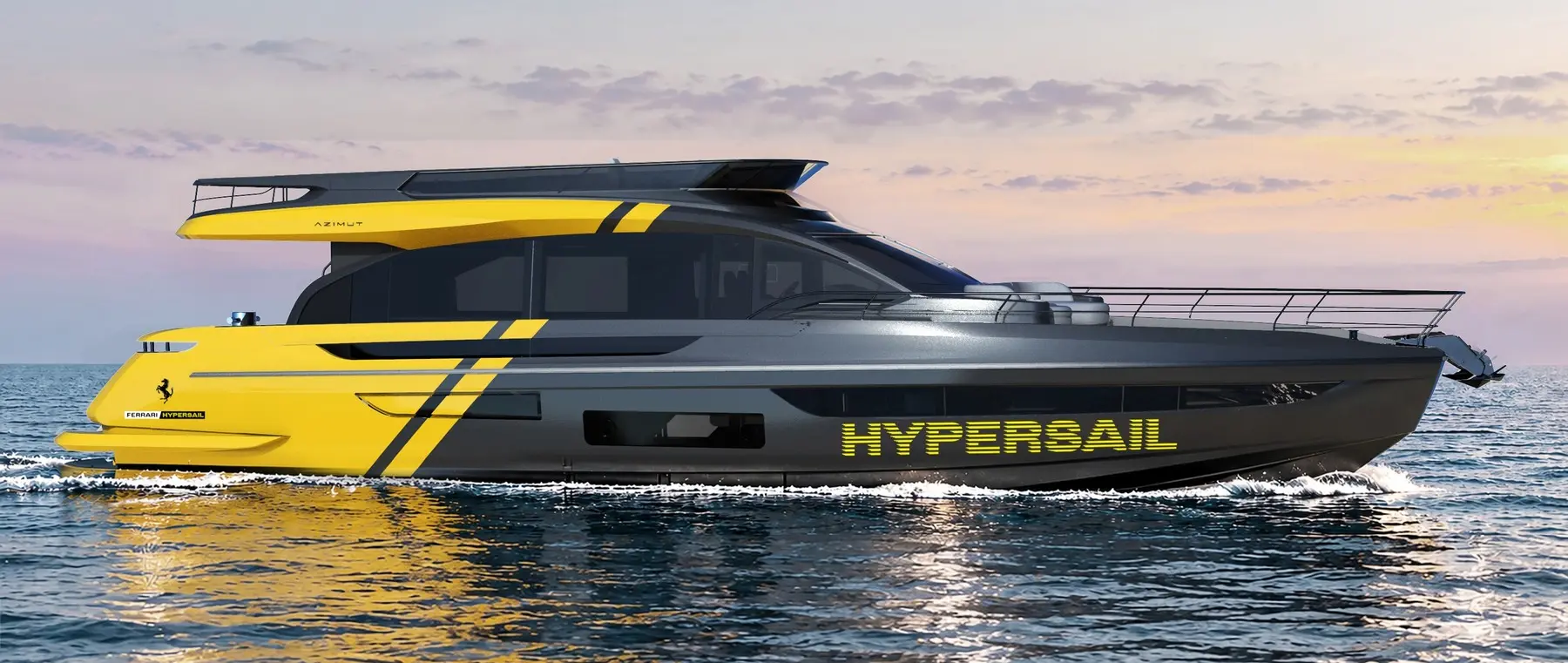
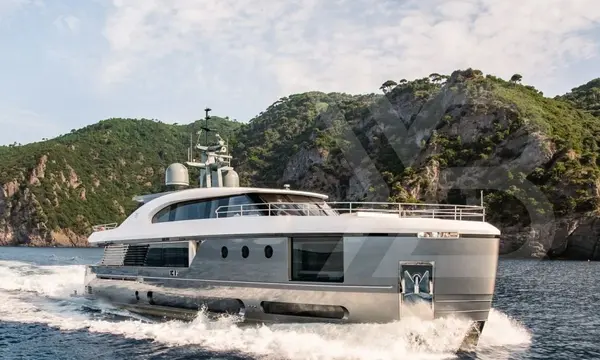
Azimut is providing a customised Fly 72 support vessel and shipyard facilities for Ferrari Hypersail's 100-foot offshore foiling sailing prototype.
Azimut Yachts is supporting Ferrari Hypersail, the Italian company's project to develop a 100-foot foiling offshore monohull. The partnership brings an established motor-yacht builder into a specialised sailing research programme focused on aerodynamics, hydrodynamics and the complex control of a vessel designed to rise above the surface on foils.
The announcement names Azimut as a technical and yachting partner, not as the builder of a new production Ferrari-branded superyacht. The distinction matters because technology trials and commercial yacht development follow different design, safety and manufacturing processes.
The project uses Azimut's Livorno facilities as a base for development activity. Operating from an established yard provides access to marine technical support, workshop resources and an environment where teams can prepare for repeated test sessions at sea.
Azimut has also adapted a Fly 72 motor yacht to work as a tow and support vessel during early testing. A dedicated support boat can transport engineers and equipment, monitor the prototype and help coordinate controlled operations offshore.
A foiling yacht transfers much of its hydrodynamic lift from the hull to underwater appendages. That can reduce drag in suitable conditions, but the system must manage changes in speed, pitch, wind and wave patterns. Sensors and control systems therefore play an important role in understanding how a prototype behaves.
At this stage, the ability to record reliable data and recover safely from a test is as important as reaching a headline speed. The contribution of a practical boatbuilding organisation may be seen in test support and integration work, not simply in design publicity.
A 100-foot racing monohull occupies a similar length class to smaller sailing superyachts, yet its operating priorities are different. Competitive performance may justify greater complexity and a narrower range of acceptable weather conditions than a family yacht or a luxury charter vessel.
Potential lessons could include lighter structures, better sensing, power management and materials. Each would need adaptation before use on a cruising yacht whose owners expect comfort, crew access, maintainability and predictable operation for many years.
Azimut's engineering involvement illustrates the links between industrial yacht construction and high-performance sailing research. The programme offers opportunities for specialists from different fields to address problems that cannot be solved through design simulation alone.
The partnership should not be described as proof that a commercial foiling superyacht is ready for market. Its concrete current elements are facilities, an adapted support yacht and an ongoing test programme, with practical results to emerge through development.
Explore
Go deeper into the yachts, companies, events and destinations directly connected to this article.
Continue reading
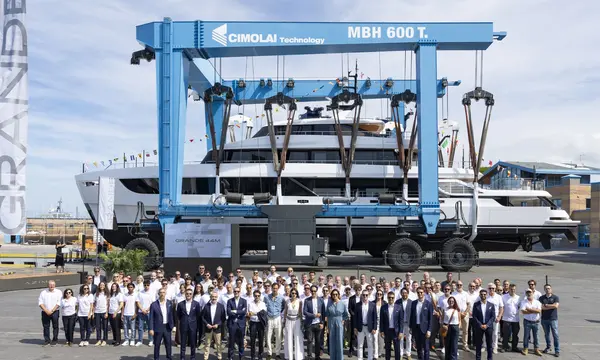
Azimut’s Grande 44M uses a 400kg carbon Hull Vane with mild-hybrid propulsion and solar generation as the builder reports seven units sold before Monaco.
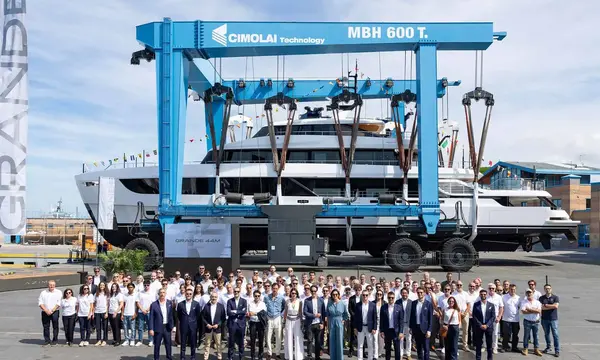
Azimut Grande 44M has won the Special Jury Award at the 2026 Innovation Route Awards during its Cannes Yachting Festival world debut.
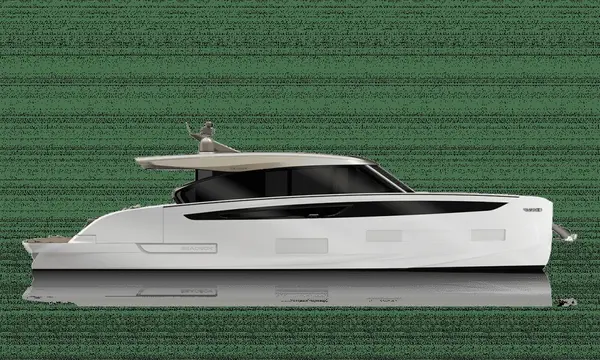
The Azimut Magellano 27M has won the 2026 Design Innovation Award in the superyachts over 24 metres category at the Genoa International Boat Show.
The 29.63-metre Azimut Magellano 30M Aria has received a €500,000 price reduction and is now asking €7.95 million with IYC.
Superyacht Guide
Continue into the wider Superyacht Guide.
Business opportunities · Superyacht Guide
Companies serving the superyacht market can discuss clearly identified advertising, sponsorship and business-profile opportunities. Commercial activity remains separate from independent editorial coverage.