
Bespoke Projects Brings GreenCast Recycled Acrylic Into Superyacht Interiors
By Stephen Yardley · Edited by Stephen Yardley
Barcelona-based Bespoke Projects is using GreenCast recycled-monomer acrylic in yacht furniture, joinery and special finishes as part of its interior-build offering.
Bespoke Projects is bringing GreenCast recycled-monomer acrylic into its superyacht interior work, using the material for furniture, joinery and specialist finishes. The Barcelona-based company is presenting its broader carpentry and interior capability at the Monaco Yacht Show 2026.
The GreenCast work has received the 2026 Blue Wake Award in the luxury services and products category. Monaco Yacht Show says the material uses recycled methyl methacrylate and is supported by an Environmental Product Declaration comparing its impacts with acrylic produced from virgin monomer under equivalent production conditions.
Acrylic is used in yacht interiors where designers want colour, translucency, gloss or a visually lighter alternative to stone and glass. Using recycled monomer can reduce dependence on virgin feedstock while retaining the design flexibility required for custom furniture and decorative elements.
The environmental benefit still needs to be considered within the complete component rather than the sheet material alone. Adhesives, substrates, edge treatments, replacement cycles and fabrication waste all contribute to the final footprint of a finished yacht interior element.
The company traces its roots to superyacht carpentry work beginning in 2005 and operates from Barcelona, handling design, engineering, project management and in-house production. Its work includes teak decks and capping rails as well as bespoke furniture, varnishing and interior fit-out for yachts and residences.
That integrated approach can make material substitutions easier because the same team can assess how a new surface behaves during machining, finishing and installation. For refits in particular, compatibility with existing joinery, tolerances and surrounding materials may be just as important as the sustainability credential itself.
An Environmental Product Declaration does not automatically make one material the correct choice for every yacht, but it gives designers and owners’ teams a more consistent basis for comparison. Declared data can help distinguish measured reductions from broad claims that are difficult to verify during specification.
At Monaco, GreenCast is a useful example of how sustainability work is moving into the interior supply chain rather than remaining concentrated in propulsion and energy systems. For future projects, the strongest material decisions will combine verified impact data with durability, repairability and the visual standard expected aboard a superyacht.
Explore
Go deeper into the yachts, companies, events and destinations directly connected to this article.
Continue reading

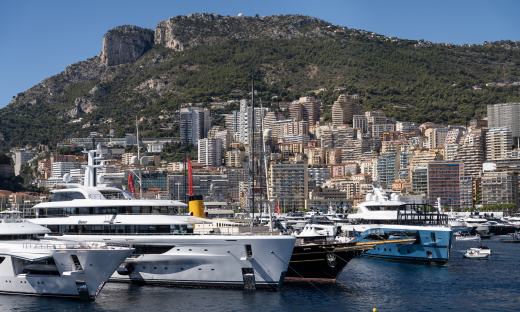
Alchymia is unveiling new limited-edition interior collections at Monaco Yacht Show 2026, with decoration, fine materials and sculpted surfaces at the centre.
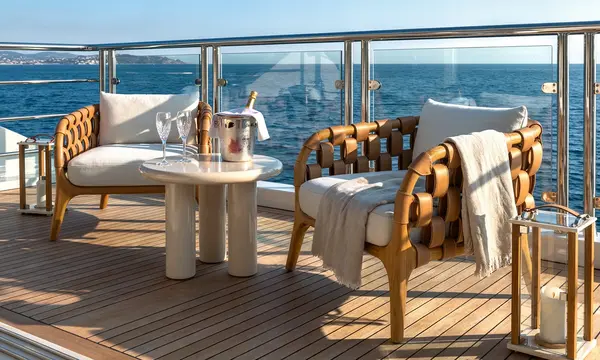
Siebensee is presenting its new Aera and Polaris outdoor furniture collections for superyachts at Monaco Yacht Show 2026, combining teak, leather and GRP.
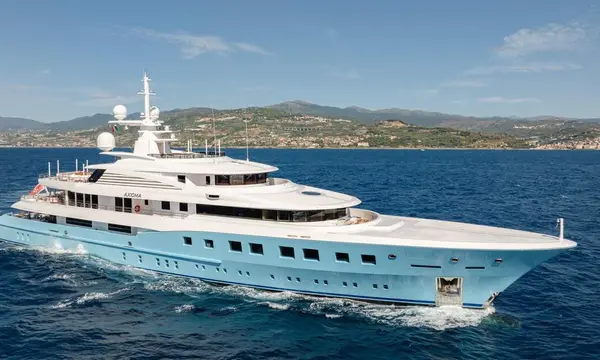
The 72m Dunya motor yacht AXIOMA is offered for sale through Fraser at €55 million following a comprehensive 2025 refit and is at anchor …
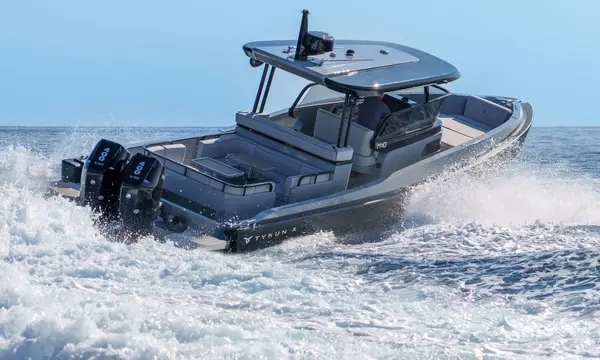
TYKUN is presenting its aluminium tender range in Monaco after completing cradle-to-grave lifecycle analysis for the X and XII, with an EPD now under …
Superyacht Guide
Continue into the wider Superyacht Guide.