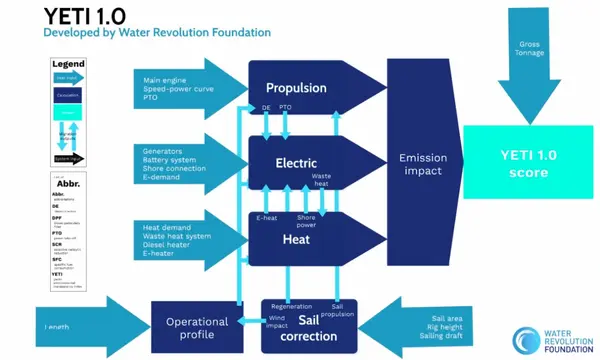
ISO/TS 23099 Establishes Environmental Assessment Method for 30m-Plus Yachts
Published in March 2026, ISO/TS 23099 creates a common methodology for assessing the operational energy-related environmental performance of yachts 30 metres and longer.

Blue Sea Systems' new terminal-mounted MiniSwitch provides enclosed battery isolation, a compact safety option for smaller craft that form part of the superyacht support fleet.
Blue Sea Systems, part of Navico Group, has introduced MiniSwitch, a compact marine-grade battery disconnect designed to fit directly at a battery terminal. The product was listed with a 6 October 2026 release date at METSTRADE, where its enclosed construction and convenient power isolation were emphasised. Although the product is not designed exclusively for superyachts, it has potential relevance to the tenders, small workboats and auxiliary craft that form part of a large yacht's operating fleet.
Superyacht tenders are sometimes used intensively for several days, then stored or left unused while the main vessel changes destination. Small electrical loads can continue draining a battery during these periods, and neglected battery condition can become an operational problem when the captain needs the craft at short notice.
Marine electrical installations commonly include battery switches that allow selected circuits to be disconnected when a boat is out of service. Such isolation can reduce unwanted drain and help crews make equipment safe for maintenance, but the correct arrangement depends on which systems must remain energised and the vessel's approved wiring design.
A tender may have essential equipment such as an automatic bilge pump that must operate while the boat is unattended. A battery switch should not be installed or used in a manner that disables those functions without an appropriate alternative. Crew members therefore need clear operating instructions rather than assuming that every electrical circuit should be turned off.
MiniSwitch is designed to mount close to the battery, avoiding some of the additional cable length associated with a remotely located disconnect. The manufacturer describes an enclosed switch that shields live conductive surfaces and provides a simple rotary isolation action. Its small size may be useful in engine and battery compartments where free space is limited.
Reducing exposed connections can help lower the chance of accidental tool contact, but it does not remove the need for correct terminal protection, cable support and safe installation. An electrical technician should verify conductor sizes, terminal clearances and mechanical security, especially in an area exposed to vibration or movement.
Product reporting describes the MiniSwitch as rated for 150 amps continuous current and 450 amps for engine starting. Those figures indicate the general scale of loads it is intended to handle, but an installer should confirm the full manufacturer specification, including applicable voltage, duty cycle and operating limits, before selecting it for a particular installation.
A switch that is adequate for a small tender's battery may be unsuitable for a larger auxiliary craft with greater starting demand or other high-current equipment. The decision should be based on the engine's actual electrical characteristics and the design of the battery circuit, not the physical size of the vessel alone.
Blue Sea Systems describes a corrosion-resistant, ultraviolet-resistant housing designed for demanding outdoor environments. Those properties are important because tender battery compartments may be exposed to saltwater spray, moisture and repeated changes in temperature. Electrical resistance and mechanical condition can deteriorate even when a switch looks superficially sound.
Regular inspection should check the condition of terminals, cable insulation, fasteners and any visible signs of heating or corrosion. Technicians should also verify that the disconnect is readily accessible to the people expected to use it and does not create an obstacle to routine engine checks or emergency procedures.
Large yachts often carry more than one craft, each with a different operating role. A guest tender may have elaborate electronics and entertainment equipment, while a workboat or rescue craft has different priorities. The captain and tender team should maintain an inventory of battery arrangements and switching procedures for each boat rather than applying one generic checklist to all of them.
Clear handover notes become particularly useful during crew rotations. An incoming deck officer needs to know which switches may be isolated in storage, which circuits must remain powered and how a tender's electrical readiness is checked before departure. A simple disconnect can be useful, but dependable support operations rely on well-defined maintenance and testing.
Before installing MiniSwitch, a qualified technician should review the existing circuit, any overcurrent protection and the intended position of the device. The battery manufacturer's requirements and the craft's electrical documentation must be followed. The equipment should be tested under normal operating conditions, with users trained in its purpose and limits.
The new Blue Sea Systems product represents an incremental safety improvement rather than a revolutionary superyacht system. Its October introduction is relevant to the broader marine supply chain because many operational problems arise from small components and everyday procedures. For superyacht managers, the value of a compact battery switch lies in matching the right installation to the right support craft and maintaining it correctly throughout service.
Continue reading
Published in March 2026, ISO/TS 23099 creates a common methodology for assessing the operational energy-related environmental performance of yachts 30 metres and longer.
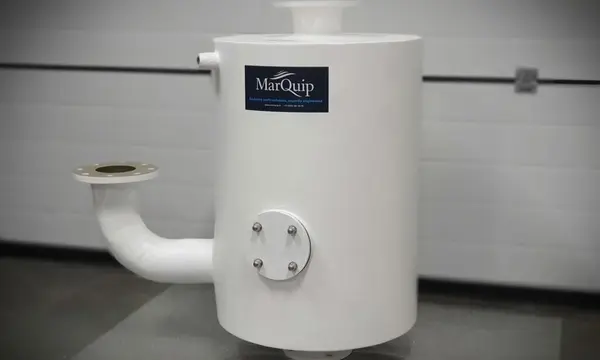
MarQuip's documented project with Dutch manufacturer Versteden shows why three large DN800 yacht exhaust water-lift separators must be fabricated in seven sections and bonded …
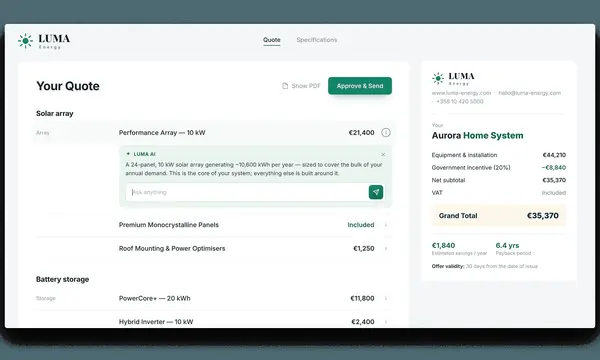
Cadentia's AION platform connects customer yacht enquiries with product configuration, interactive quotations and aftersales records; broader superyacht use remains prospective.

Webasto's new SoLite Marine sliding roof introduces a modular electric opening system with solar-control features and optional solar integration for contemporary yacht spaces.
Superyacht Guide
Continue into the wider Superyacht Guide.
Business opportunities · Superyacht Guide
Companies serving the superyacht market can discuss clearly identified advertising, sponsorship and business-profile opportunities. Commercial activity remains separate from independent editorial coverage.