Webasto's new SoLite Marine sliding roof introduces a modular electric opening system with solar-control features and optional solar integration for contemporary yacht spaces.
An opening roof becomes part of the yacht's technical architecture
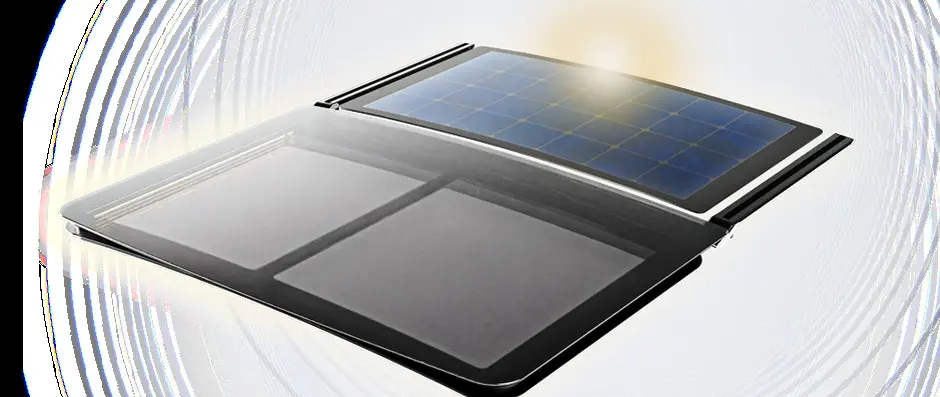
Webasto Roof & Components has introduced SoLite Marine, a modular electrically operated sliding roof system designed for marine use. The product is listed with a 1 October 2026 release date in the METSTRADE 2026 catalogue, which describes solar-protection functions and the possibility of integrating solar generation. These features place the product within a wider discussion about controlling light, heat and comfort aboard modern yachts.
Opening roof panels have long been used to bring fresh air and daylight into deck saloons, wheelhouses and other covered spaces. The challenge for yacht designers is not simply to create an opening: the mechanism must operate reliably in a moving marine environment while protecting the interior against rain, spray and repeated exposure to saltwater.
Why a modular design may appeal to yacht builders
Webasto describes SoLite Marine as a standard electric sliding roof with options that allow it to be integrated into different boat designs. A modular architecture can reduce some of the engineering work otherwise required for bespoke mechanisms, although the surrounding yacht structure, drainage and electrical arrangements still need to be properly designed.
A larger yacht can have complex exterior geometry, and the location of an opening roof may interact with structural frames, deck furniture and interior ceiling heights. Shipyards must establish whether a particular product fits the available envelope before approving its inclusion in a new build or refit. The listed configuration is not evidence that SoLite is suitable for every yacht above 24 metres.
Managing sunlight and interior temperatures
Bringing natural light into a saloon is attractive, but exposed glazing can increase solar heating in warm cruising areas. Webasto's product description emphasises solar protection as part of the package, enabling designers to consider both visibility and the demands on air-conditioning systems.
The practical benefit depends on the glazing and shading arrangement, orientation to the sun, local climate and the total area of the opening. A roof that limits part of the solar gain may improve comfort, but a precise reduction in cooling energy would need a project-specific thermal assessment rather than relying on general marketing claims.
Optional photovoltaic integration requires careful assessment
The manufacturer also promotes optional solar integration. Installing photovoltaic components on a roof can offer supplementary electrical generation, but the output from a limited panel area is typically small in comparison with the total hotel load of a large yacht. Owners should examine realistic generation estimates, orientation, shading from masts or other structures, and the method of connecting electricity to the vessel's systems.
A solar-equipped sliding roof introduces additional installation questions. Wiring must accommodate movement without fatigue or chafing, and any energy-generation hardware must remain serviceable without compromising weather seals. Electrical protections and compatibility with the yacht's existing charging arrangements need proper specialist review.
Watertightness and operation at sea
The surrounding frame, seals, guide mechanisms and drainage channels can determine how a roof performs after years of use. Saltwater residue and dirt may accumulate around moving parts, making cleaning and inspection important even where the manufacturer uses marine-grade materials.
Captains need to understand any operating limitations associated with vessel speed, sea state and weather. A system should provide a clear indication when fully closed, and crews should know what to do if electrical power becomes unavailable. Where a roof forms part of an exposed superstructure, the naval architect and yard must ensure that installation meets the vessel's safety and structural requirements.
More daylight means different interior design possibilities
An opening section can change how a covered lounge feels when guests are entertaining or travelling through sheltered waters. Designers may combine controlled ventilation with carefully placed lighting and interior finishes, creating a space that can feel connected to the exterior without requiring guests to move onto an open deck.
These aesthetic choices have operational consequences. Furniture, fabrics and electronic equipment placed beneath a roof opening may need protection against direct sunshine or occasional moisture. Maintenance access also has to remain possible once decorative ceiling panels and joinery are installed around the mechanism.
The importance of testing before installation
Webasto's published listing establishes the SoLite Marine product and its intended characteristics, not a confirmed deployment aboard a named superyacht or an independently measured energy saving. Owners' representatives should request detailed installation drawings, electrical ratings, dimensions, operating limitations and service requirements before committing to a design.
The October product introduction provides another example of how suppliers are bringing automotive-derived convenience and efficiency technologies into marine equipment. Its value to the superyacht sector will ultimately depend on competent integration, dependable watertightness and the ability to preserve both guest comfort and long-term maintenance access.