Bosch Engineering's 800V SMG230 Brings 200kW to Superyacht Power Design
By Superyacht Guide Newsroom · Edited by Superyacht Guide Newsroom
Bosch Engineering's 800V SMG230 Brings 200kW to Superyacht Power Design — original supplier image SYG news 23 November 2026 batch07
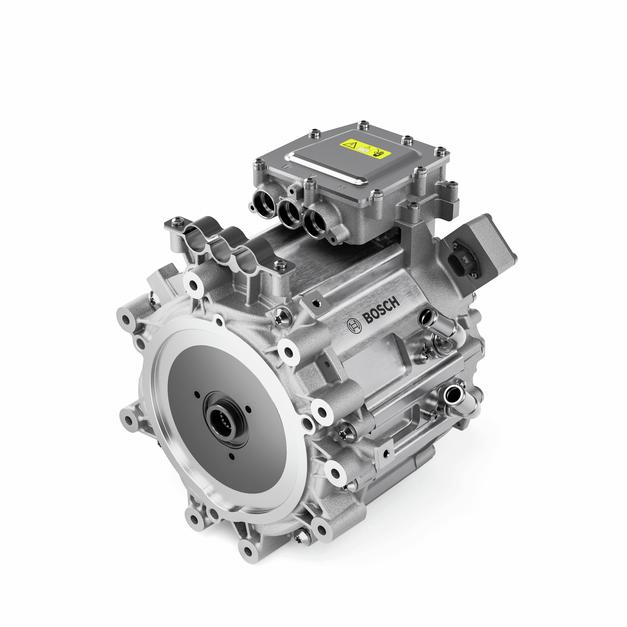
Bosch Engineering's 800V SMG230 electric motor brings a stated 200kW capability to marine power design, with installation and high-voltage safety under review.
Bosch Engineering has introduced an 800-volt electric motor in its METSTRADE 2026 product catalogue, drawing attention to a more demanding end of the marine electrification discussion. The official listing identifies a 200-kilowatt machine in the SMG230 family and highlights power density, compactness and the engineering heritage of volume-produced commercial-vehicle equipment. For superyacht owners and builders, this is not an announcement that a named vessel has converted to electric propulsion, nor evidence that a 200-kilowatt motor is sufficient to drive every large yacht. Rather, the development places another component option before propulsion designers and systems integrators. A 24-metre-plus yacht might examine this equipment for a carefully matched auxiliary installation, hybrid drivetrain or support craft, while far larger vessels would require a different overall power architecture. The practical news is the availability and manufacturer-stated characteristics of the motor, not a universal promise of silent or zero-emission cruising.
The Bosch Engineering entry is dated 6 November 2026 and calls the product an 800V electric motor with 200kW. It describes the SMG230 as offering up to 80 kilowatts more power than a comparable 400-volt machine of identical weight, or reduced dimensions and mass when designed for the same performance. This is a manufacturer comparison under its own engineering assumptions, not an independently verified efficiency figure for a yacht installation. The listing also refers to development based on commercial-vehicle production applications. That provides a credible industrial context, but it does not settle the questions a boatbuilder must ask about seawater exposure, cooling, vibration, electrical isolation or sustained duty. Buyers should request the exact motor data sheet and check which torque, speed and thermal conditions correspond to the advertised maximum power. A peak rating cannot automatically be treated as a continuous shaft-output rating during an extended passage.
For a given electrical power, higher system voltage generally allows the current to be lower than it would be in a lower-voltage arrangement. Lower current can affect conductor sizes, losses and the physical distribution system, although the full benefit depends on real operating conditions and component choices. A move to an 800-volt motor therefore changes more than the number on a specification sheet. The battery bank, inverter, contactors, protective devices, insulation monitoring, cabling and service procedures must be designed for the same electrical architecture. The crew also needs suitable training and clear boundaries around high-voltage equipment. Increasing voltage does not remove the need for robust connectors or cooling. It can create additional design and safety obligations, particularly where machinery spaces are crowded. Yacht engineers should compare the overall installed system mass and complexity rather than the motor alone.
A headline 200-kilowatt rating can sound straightforward, but electric propulsion components are normally characterised by performance over a range of rotational speeds and durations. A motor may be capable of delivering a high output briefly and a lower output continuously because of heat limits and the associated cooling system. The Bosch catalogue summary does not provide every operating curve needed to judge a particular application. On a large yacht, the propulsion designer must establish torque requirements from the propeller, reduction gear, hull resistance and intended cruising profile. If the motor forms part of a parallel hybrid system, its relationship with the diesel engine and clutch arrangement must also be defined. The right question is not simply whether the motor reaches 200 kilowatts, but whether the complete drivetrain can deliver the required torque under the vessel's expected loading and environmental conditions.
Electrical energy converted into motion inevitably creates some heat within a motor and its control electronics. Cooling arrangements determine how that heat is managed during extended operation. The equipment designer needs to understand the motor's permitted coolant temperatures, flow requirements and protection behaviour. On a yacht, any cooling circuit may interact with seawater heat exchangers and pumps that require their own maintenance. A product based on commercial-vehicle technology does not automatically have an identical marine cooling arrangement. Installation engineers should check whether components are supplied in a marine-specific package and what responsibilities remain with the integrator. A compact machine can be attractive in a cramped technical compartment, but it may still require service access around hoses, terminals and associated electronics. Overall packaging, not just motor dimensions, determines whether the equipment suits a particular vessel.
An electric motor may be used for propulsion assistance, manoeuvring or operation during periods when a conventional engine is not required, provided the boat has an appropriately engineered hybrid system. These operating modes are not interchangeable. A yacht might want low-noise harbour manoeuvres, a modest electric cruising option or efficient handling of fluctuating propulsion demand. Each requires different control logic and energy storage. The Bosch SMG230 entry itself does not publish a completed yacht hybrid system with documented performance, so claims about specific fuel savings or range must wait for real integration data. The power-management controller needs to coordinate available battery energy with other machinery and preserve the safety of the drivetrain when the operating mode changes. Clear procedures are also needed for a fault that interrupts electrical propulsion. Owners should insist that these functions are demonstrated during commissioning rather than taken as automatic properties of a motor.
A 200-kilowatt electric machine may not match the main propulsion requirements of a large displacement superyacht, but the supply chain serves more than one vessel category. Chase boats, tenders and specialised support craft can require substantial power while having different space constraints from the parent yacht. A large yacht may also carry auxiliary electrically powered systems that require high torque. An engineer can compare the SMG230 against those real requirements if motor speed, drive type and duty cycle are known. This is the specific connection between the product and the superyacht audience: fleet managers and technical teams increasingly examine electric and hybrid equipment across both the primary vessel and its operating craft. There should be no implication that Bosch has announced a conversion of a particular superyacht or that a system can be installed without naval-architecture and electrical approvals.
The energy needed for electric propulsion depends on the power demanded over time. A 200-kilowatt motor does not mean the boat continuously consumes exactly 200 kilowatts, and it does not identify the battery capacity required for a proposed voyage. Engineers must examine the complete operating profile, including manoeuvring, cruising, acceleration, hotel loads and reserve margins. Battery capacity stated in kilowatt-hours is only part of the calculation: usable discharge limits, temperature, inverter efficiency and ageing also affect practical endurance. A high-power motor connected to a small energy store may be suitable for brief operation but not long passages. The owner's plans should be expressed in duty cycles and energy budgets before components are selected. Comparing installed batteries, chargers and propulsion equipment as a complete system is more meaningful than comparing isolated motor ratings from different manufacturers.
A high-voltage marine installation requires well-defined isolation, protection and maintenance procedures. Technicians should be able to identify live equipment, confirm safe conditions before service and access the components that need inspection. The yacht must also have suitable fault monitoring and procedures for an electrical incident, developed for the exact system and applicable class requirements. A manufacturer's claim of industrial production heritage does not eliminate these obligations. Over the life of a yacht, engineers may change and external contractors may undertake repairs in distant ports. Good diagrams, component identification and availability of spares therefore influence operational value. A motor that performs well but lacks clear service documentation can create unnecessary delays. Owners should ask the supplier and integrator who is responsible for warranty support, commissioning records and the investigation of abnormal temperatures, vibrations or alarms.
Bosch highlights its experience developing and producing equipment for commercial vehicles. Volume production can create mature manufacturing processes and repeated opportunities to study reliability. Those strengths are relevant to the marine market, but the environment aboard is not identical to the road. Salt air, humidity, motion, intermittent use and different electrical protections alter the engineering problem. The buyer should distinguish general manufacturer competence from demonstrated compliance of the actual motor package with marine requirements. If a system is installed in a classed superyacht, the appropriate authority may seek evidence concerning materials, safety devices and test results. A motor platform can be an attractive basis for engineering work without being a fully approved propulsion system in itself. The strongest application will be one in which commercial-vehicle know-how is combined with careful marine integration and documented acceptance tests.
Before committing to an 800-volt system, a shipyard can request the motor's continuous and peak power curves, operating-speed range, cooling specifications, dimensions, mass and environmental requirements. It should then examine available inverters, propulsion controls, power distribution and protection equipment. The naval architect needs the effect on machinery layout and vessel weight; the electrical engineer needs fault analyses and cable routes; the captain needs comprehensible operating and emergency procedures. If the motor is intended for a tender, the installation must still meet that craft's own duty-cycle and safety requirements. It is also worth asking where authorised service is available and whether the manufacturer supplies marine-specific support. These practical details provide a stronger basis for investment than the appealing simplicity of an advertised 800V and 200kW.
Bosch Engineering's SMG230 entry brings a defined high-voltage motor proposition to the yacht-equipment market. Its principal verified points are the 800-volt designation, stated 200-kilowatt power level, the manufacturer's compactness comparison with 400-volt machines and development linked to commercial-vehicle manufacturing. None of those establishes exact energy savings, a particular yacht's range or a universal installation standard. The broader importance is that propulsion designers have another industrially developed option to evaluate as high-voltage architectures spread through marine engineering. For superyacht owners, the real measure will be the performance, safety and serviceability of completed systems. A carefully integrated motor can contribute to quieter, more flexible operation; an incomplete engineering programme can leave expensive equipment underused. The next meaningful evidence will be detailed specifications, marine integration results and verified installations.
Primary source: Bosch Engineering original 6 November 2026 800V SMG230 200kW motor entry in official METSTRADE catalogue.
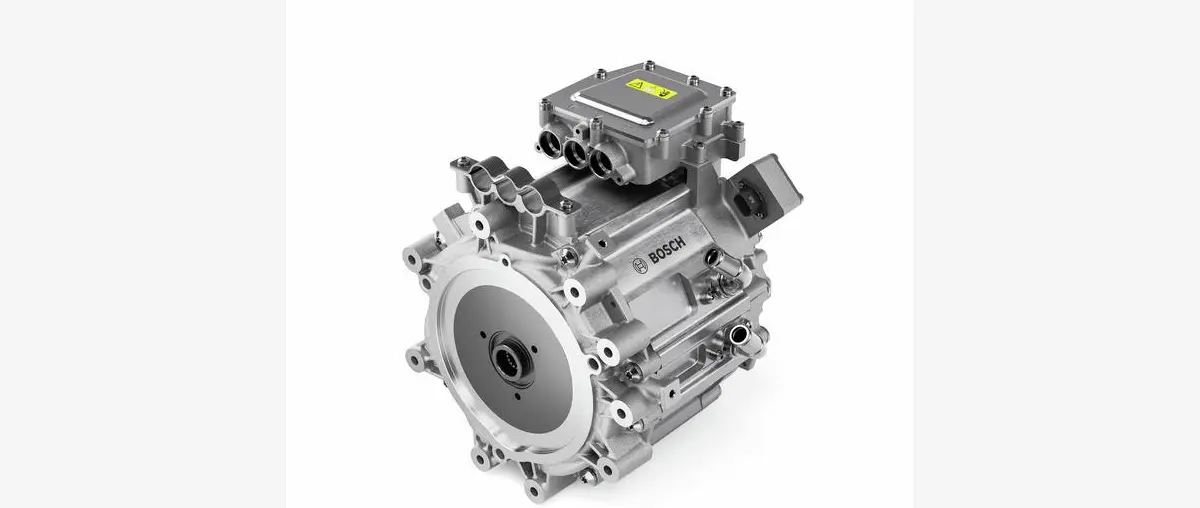
© Bosch Engineering GmbH. Official Bosch supplier product photograph provided in its 2026 METSTRADE entry. Official source.
Explore
Go deeper into the yachts, companies, events and destinations directly connected to this article.
Continue reading

An IYC and SuperYacht Times panel at Monaco Yacht Show 2026 examined how crew rest, staffing, mental wellbeing and working culture affect the guest …

During a charter, the captain has to balance guest expectations with crew capability, rest requirements and a weather picture that can change by the …

Guests may experience the first day of a superyacht charter as a seamless transition from airport to anchorage. For the crew, it is a …
CMC Marine has provided new technical detail on the energy-management architecture behind its electric stabilisers and thrusters, explaining how capacitor storage can reduce abrupt …
Superyacht Guide
Continue into the wider Superyacht Guide.
Business opportunities · Superyacht Guide
Companies serving the superyacht market can discuss clearly identified advertising, sponsorship and business-profile opportunities. Commercial activity remains separate from independent editorial coverage.