


IDEA Release 2026.4.5 Adds Crew Records and Fleet Reporting Tools
IDEA Data Solutions confirms new 2026.4.5 yacht-management software functions for crew records, maintenance tasks and shoreside fleet reports.
Burgess Sets Out Practical Sustainability Priorities for Superyacht Owners — licensed SYG News 26Nov batch01
Burgess publishes new guidance on superyacht sustainability, focusing on energy, waste, lifecycle impacts and crew-led operational changes, with verified.
Burgess has published a fresh assessment of what environmental sustainability means for superyacht construction, ownership and daily operations. Its article, released on 25 November 2026, argues that the sector must look beyond propulsion choices to consider materials, energy demand, waste, marine ecosystems and the complete life of a vessel. The brokerage and management group also discusses the practical experiences of crews and its Burgess Sustainable Seas framework, which it introduced in 2025. The resulting guidance offers owners a way to identify operational decisions that can be measured, although it does not provide a single formula that makes a large yacht environmentally neutral.
A yacht's environmental effects do not begin when the first engine is started. Steel, aluminium, timber, glass and composites require energy and resources to produce, transport and fabricate. Burgess highlights construction as part of the wider picture, alongside operation, maintenance and eventual disposal. That perspective is useful because a narrow focus on fuel burned during a single trip can overlook substantial impacts in the manufacture and upkeep of a complex vessel.
A complete assessment should distinguish the embodied impacts of materials from those associated with day-to-day use. This can be challenging because a yacht may operate for decades and undergo several major refits. A durable component that lasts longer may in some circumstances be preferable to a lighter alternative requiring frequent replacement, but the answer depends on real production and use data. Burgess's new article encourages a lifecycle approach rather than declaring any one material universally sustainable.
Fuel consumed by main engines remains a major operational consideration for a superyacht. Resistance through the water, selected speed, machinery configuration and the state of the hull all influence demand. Burgess notes that emissions are linked to how a yacht is used, not just its technical specification. The distance travelled, speed maintained and time spent at anchor shape its operating profile. An efficient design can still have a significant footprint if it is used intensively.
Owners should start with accurate logs of fuel consumed and the circumstances in which it was used. Comparing passages without considering sea state, load or speed can be misleading. This kind of monitoring supports more useful conversations with the captain and engineering team. It is also important not to treat an advertised range as an environmental indicator: range may be influenced by fuel capacity as well as efficiency. Reliable progress depends on comparable records rather than a single headline number.
A yacht does not stop consuming energy when it reaches a berth or drops anchor. Air conditioning, refrigeration, lighting, communications and water systems may run for much of the day. Burgess specifically identifies these hotel loads as part of the ownership footprint. On large yachts, managing them can be as important to annual consumption as adjusting the speed during occasional passages. The balance depends on the vessel's actual equipment and schedule.
A professional energy audit can identify which systems operate continuously, where demand peaks and whether equipment is working efficiently. Measures may include improved controls, better maintenance or changes in how spaces are conditioned when unoccupied. However, any savings should be assessed from measured before-and-after data. Simply installing new equipment does not establish that the yacht's total demand has fallen. Crew training and ongoing monitoring are needed to preserve benefits over time.
Major refits can involve removing furniture, finishes, machinery and large quantities of technical equipment. The environmental consequences depend on what is reused, repaired or replaced, as well as how discarded materials are handled. Burgess discusses durability and future upgrades as important considerations. Owners may be able to improve outcomes by planning maintenance and replacement in a coordinated way instead of making reactive choices under time pressure.
A practical example is selecting furnishings with appropriate durability and repair options. Long-lasting materials can reduce the need for repeated replacement, but their manufacture and disposal still need consideration. Similarly, a propulsion-system upgrade should be evaluated against the energy and material costs of installation. No individual refit choice should be labelled low-impact without examining the full process. The guiding question is how the yacht can remain useful and well supported over a long service life.
Burgess highlights provisioning, packaging, cleaning products and wastewater as operational areas in which yachts can reduce unnecessary impacts. A large crew and frequent guest turnover can generate substantial supplies, and remote anchorages may provide limited disposal options. Reducing waste at the point of purchase is often simpler than trying to recycle it after the yacht has sailed. Purchasing policies can therefore be an important part of the environmental programme.
This approach needs the involvement of chefs, interior crew and deck teams. A chief steward or stewardess may know which single-use items arrive regularly, while a chef may identify food waste created by inaccurate provisioning. Engineers and deck crew may have responsibility for segregating technical waste and arranging disposal ashore. A useful programme gives each department clear procedures and records outcomes rather than relying on a broad instruction to be greener.
Onboard wastewater systems are subject to technical and regulatory requirements that vary with the vessel's operation and location. Burgess notes the need for appropriate treatment, maintenance and compliance. A good policy is not simply a matter of selecting a product with an environmentally friendly label. Crew must understand the equipment, its limitations and where discharge is legally permitted. Records should be retained so that procedures can be checked.
Cleaning products and antifouling systems deserve similar attention. Burgess mentions non-toxic or non-biocide alternatives as part of the discussion about improving yacht operations. The suitability of a particular coating depends on the hull, operating area, expected fouling and maintenance plan. A product's claims should be examined carefully, including any certification and application requirements. Avoiding one harmful ingredient is useful only if the complete choice remains effective and compliant in practice.
The article discusses alternative fuels, including hydrotreated vegetable oil, often called HVO. Fuel pathways can differ greatly according to feedstock, processing and distribution, so an environmental claim needs to specify what is being compared. A fuel that works in a particular engine may still involve production and supply impacts that cannot be ignored. Owners should not assume that the term renewable automatically means zero emissions over its full lifecycle.
Any fuel change also requires technical approval. Compatibility with engines, generators, tanks and service arrangements must be confirmed by the relevant suppliers. Availability along a planned route can be as important as suitability at the home marina. A yacht that cannot obtain its intended fuel reliably may face operational difficulties. Burgess's guidance is valuable as a framework for questions, not a blanket endorsement of one alternative fuel for every superyacht.
When a marina provides suitable electrical infrastructure, a yacht may be able to use shore power rather than operate onboard generators. The benefits depend on the source of the electricity, the amount of energy required and the equipment installed. Shoreside systems must also meet appropriate capacity and safety requirements. Connecting an incompatible yacht to an unsuitable supply is not a responsible environmental strategy.
For owners based in several regions, the quality and availability of infrastructure may differ sharply. A vessel might connect readily in one Mediterranean marina but face restrictions elsewhere. Operators should evaluate power demand, connection procedures and local tariffs before making assumptions about savings. Any carbon accounting must also account for the electricity's generation source. The practical goal is a well-managed change in operating practice supported by actual data.
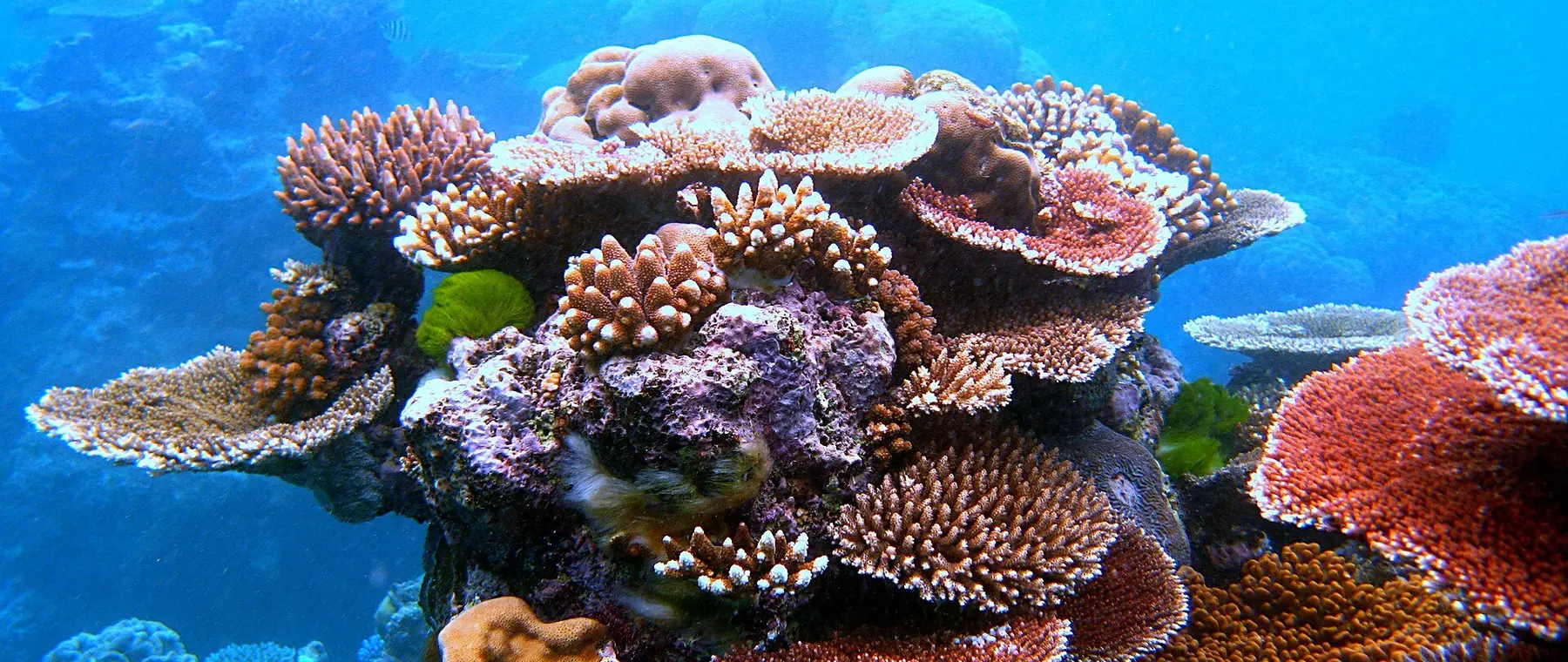
Coral reefs, seagrass meadows and other coastal habitats are part of the experience that attracts many owners to remote cruising grounds. They can also be damaged by inappropriate anchoring or repeated seabed disturbance. Burgess identifies the relationship between yacht operations and local marine environments as a reason to take wider responsibility. A captain should be familiar with local rules and ecological sensitivities, and should use appropriate charts and guidance when choosing a place to stop.
Protecting an anchorage is not only about selecting a different location on one occasion. It may involve using established moorings where suitable, planning access for tenders and avoiding activities that disturb the seabed or wildlife. Local restrictions can change, so the crew needs up-to-date information. A yacht that operates carefully around fragile destinations helps protect the very places that make its cruising programme valuable.
Burgess says it draws on experience from the yachts it manages to understand the challenges crews encounter. Its Sustainable Seas framework, launched in 2025, is intended to help crews adopt practical measures across onboard operations. This emphasis on people matters because management systems are only effective when crew members know why procedures exist and how to carry them out. A written policy without everyday participation is unlikely to change much.
Monitoring can be integrated into routine reporting. Captains and engineers may record fuel and electricity use, while interior teams track procurement and waste. The information should be evaluated against realistic indicators and not used to blame individuals for circumstances outside their control. Training and clear responsibilities can help departments improve over time. Burgess's public guidance provides direction, but it does not publish audited results for every vessel in its managed fleet.
The Burgess article distinguishes marine conservation from reducing a yacht's own environmental impacts. Both can be worthwhile, but supporting conservation projects does not automatically cancel the effects of fuel use, construction or waste. This is a particularly important distinction when evaluating environmental claims made by large private vessels. A philanthropic contribution can support research or habitat protection while operational changes address a different part of the problem.
Owners should look for transparent reporting about what an initiative actually achieves. Conservation funding may have measurable ecological objectives, while emissions reduction needs credible accounting and comparable baselines. Treating the two as interchangeable risks creating a misleading picture. Burgess's wider framing is useful precisely because it makes room for both while keeping their purposes distinct.
A realistic sustainability programme begins by recording a baseline. Useful measures might include litres of fuel used for propulsion and electricity generation, electricity taken from shore, waste streams and hours of equipment operation. The measurements should be defined consistently so that the yacht can compare seasons without confusing changes in activity with changes in efficiency. A vessel undertaking longer passages will have a different profile from one remaining in port.
Owners should also review what information can be gathered without imposing unreasonable administrative demands on crew. Digital logs and straightforward reporting can make trends easier to identify, but data quality matters more than the sophistication of a dashboard. Results should be reviewed periodically to decide which interventions are working and which need adjustment. An environmental programme is more credible when it reports limitations and tradeoffs rather than presenting only favourable numbers.
Burgess's new article is not a claim that an entire fleet has become carbon-neutral. It is a published framework for thinking about design, propulsion, hotel loads, waste, alternative fuels, marine habitats and crew-led operational improvements. It refers to the earlier Sustainable Seas programme and presents practical rather than purely symbolic measures. No universal reduction percentage or independently verified savings figure applies to every yacht.
For owners, captains and managers, the most useful message is that environmental performance must be considered across the vessel's full life and operating programme. The next step is evidence: actual consumption, confirmed procedures, reliable suppliers and honest measurement of changes. The maritime environment is central to the value of superyachting, and the current guidance makes the case that protecting it requires attention to ordinary decisions as well as major new technologies.
Primary source: Burgess 25 November 2026 official article on sustainability throughout superyacht lifecycles.
Licensed archival photograph of marine habitat, illustrating the environments discussed in the guidance, not a Burgess yacht. Photo: Toby Hudson; CC BY-SA 3.0 via Wikimedia Commons. Official source.
Continue reading
IDEA Data Solutions confirms new 2026.4.5 yacht-management software functions for crew records, maintenance tasks and shoreside fleet reports.

Muir introduces Volume II of its anchoring guide at METSTRADE, addressing equipment handover, commissioning, safe operation and maintenance for large yacht crews.
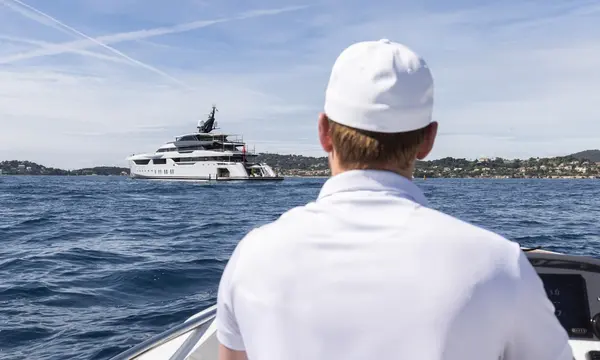
A new Northrop & Johnson crew advisory questions whether rotational employment suits every position, highlighting differences between senior and junior crew and between yacht …

An IYC and SuperYacht Times panel at Monaco Yacht Show 2026 examined how crew rest, staffing, mental wellbeing and working culture affect the guest …
Superyacht Guide
Continue into the wider Superyacht Guide.
Business opportunities · Superyacht Guide
Companies serving the superyacht market can discuss clearly identified advertising, sponsorship and business-profile opportunities. Commercial activity remains separate from independent editorial coverage.