
dsnm Acquires NavigatX to Unite Superyacht Navigation and Bridge Hardware
Superyacht navigation specialist dsnm has acquired sister company NavigatX, bringing navigation management, passage-planning software and bridge refit support together.
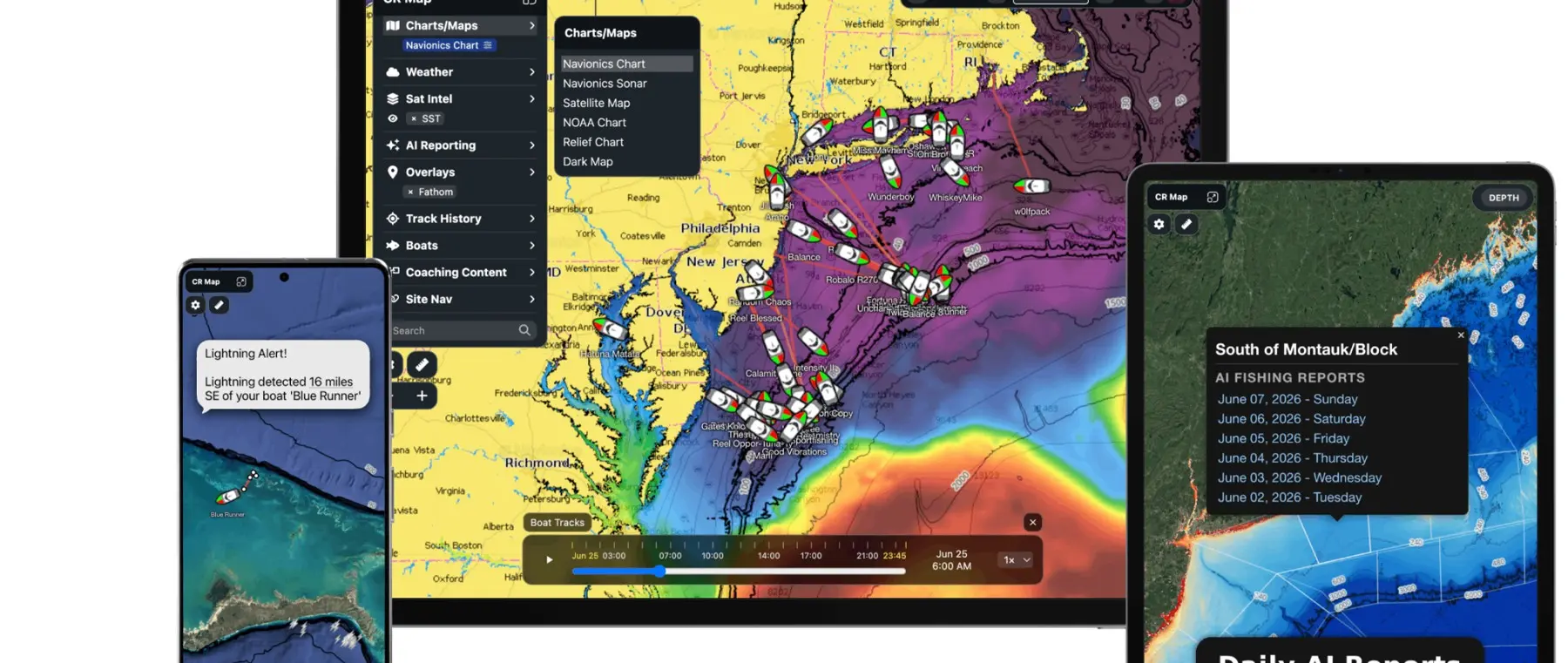
Canyon Runner's Connected Vessel Intelligence service wins the 2026 IBEX safety-equipment award for unifying navigation, weather and fleet data without replacing existing boat electronics.
Canyon Runner's Connected Vessel Intelligence platform has won the Safety Equipment category in the 2026 IBEX Innovation Awards, presented during the marine trade exhibition in Tampa on 6 October. The programme, managed by the National Marine Manufacturers Association and judged by Boating Writers International, selected twelve winning products from a field of one hundred entries. Canyon Runner was recognised for combining information from boats, navigation, weather and shared observations into a connected decision-support service.
The result is significant for superyacht support fleets, particularly where sportfishing boats and tenders operate some distance from the mothership. The system is designed to organise information that may already exist aboard those vessels, rather than require wholesale replacement of installed navigation displays and engine electronics. The award celebrates the approach, but does not mean the platform can guarantee safe passage or substitute for an experienced captain's assessment.
Canyon Runner's offering is built around a map and intelligence interface that presents offshore conditions to users on screens ranging from phones to larger displays. The company describes combining real-time information with historical patterns, navigation data and crowdsourced observations from participating operators. Depending on configuration and access, the resulting interface can help a captain interpret changes in conditions and understand activity around a proposed fishing area or passage.
Such integration can reduce the time spent moving between unrelated applications, but the quality of its conclusions depends on the underlying data. Weather forecasts, charts and reports from other boats may be updated at different intervals and have different levels of reliability. Operators should check when information was obtained, what area it covers and whether there is a suitable independent source before using it for a safety-critical decision.
Canyon Runner uses software infrastructure from Viam to connect equipment, collect information and support analysis across a distributed fleet. Viam describes a platform that can bring together GPS, AIS, engine data, radar and environmental sensors using protocols such as NMEA 2000, CAN bus and Signal K. Information can be processed aboard a vessel and later synchronised when a network connection becomes available, according to the partner's published technical approach.
The presence of an underlying software partner is relevant to owners assessing long-term service arrangements. A connected vessel product may depend on operating software, cloud infrastructure, subscriptions and updates in addition to physical hardware. A yacht management team should establish which organisation provides support, how access rights are managed and what features remain available when offshore communications are interrupted.
The IBEX judging description highlights the combination of predictive analysis, weather, navigation and shared fleet information without demanding new electronics across the boat. Those functions could give crews another source of context when planning departures, moving between anchorages or supporting offshore sportfishing operations. A useful alert may encourage a captain to investigate deteriorating weather or review an intended route before conditions become uncomfortable.
However, a predictive system cannot account for every local hazard, mechanical failure or unexpected manoeuvre by another vessel. Electronic recommendations should be checked against official notices, current charts, direct observations and the vessel's own equipment. Yacht masters remain responsible for the decisions taken at the helm, and the reliability of any safety alert must be verified during commissioning and normal service.
A superyacht may operate several boats with different capabilities and crews, ranging from high-speed guest tenders to fishing or expedition support craft. The associated logistics can become complex when these vessels travel independently or remain deployed throughout a day. A shared system showing positions, selected conditions and operational reports could help a bridge team maintain a more consistent overview of activities, subject to appropriate permissions and actual product support.
Fleet coordination is not just about displaying location markers. Crew check-in procedures, communication plans, safe operating limits and reliable recovery arrangements are necessary even when detailed data are available ashore. A system that produces insights but cannot reach the person responsible for an urgent decision has limited operational value. Managers should agree how alerts are prioritised and how they are acted on before relying on them during busy cruising schedules.
Canyon Runner and Viam both emphasise using data from existing marine equipment where supported. For owners, that is potentially useful because replacing a functioning suite of multifunction displays or engine instruments solely to gain a connected service would add expense and disruption. Data from several generations of hardware may be unified through suitable interfaces, allowing a trial installation to be evaluated before a larger rollout.
Compatibility is never automatic simply because two devices carry common marine terminology. NMEA messages, proprietary manufacturer protocols, security settings and hardware revisions can differ, and some equipment exposes only a limited set of readings. An integrator should confirm the actual list of available signals and test whether each required reading is accurate, timely and presented with a clear description of its source.
Canyon Runner began in the sportfishing sector and has expanded into connected services intended for its wider community of vessel operators. Viam has published a case study describing how the company used its platform to bring together offshore fleet information and provide members with more useful reporting. The software partner reports improvements in some internal business measures, but those figures should not be treated as independent evidence that accident rates or navigational risks have fallen.
For superyacht owners and managers, operational evidence has a different meaning from a supplier's growth metrics. The important questions include whether the service delivers accurate warnings, whether crews trust the interface and whether unexpected outages can be managed safely. Trials involving real boats and defined procedures provide a stronger basis for procurement decisions than a headline percentage improvement in a separate business.
Any service collecting vessel location, routes or engine information also creates responsibilities around access control and data retention. Yacht movements can be commercially sensitive, and the location of guests or owners may be particularly private. Connected-vessel operators should establish who can see their information, which reports are shared with other members and whether historical journeys can be deleted or restricted.
Viam describes encryption, authentication and role-based access control in its underlying platform, but actual protection also depends on the way the Canyon Runner service is configured and operated. Password management, account removal when crew leave and software updates deserve the same attention as the physical installation. A safety-oriented data service should not introduce avoidable privacy or cybersecurity risks.
The confirmed October development is Canyon Runner's Innovation Award for Safety Equipment at IBEX 2026. The judge's recognition focuses on a connected service that makes diverse vessel data more accessible and useful without forcing boat owners to replace all their existing electronics. That approach is relevant as yacht fleets become more dependent on digital navigation, remote diagnostics and shore-based management support.
The next step for interested superyacht operators is a practical technical review of compatibility, data handling, communications coverage and how alerts fit existing bridge procedures. The award gives the product useful visibility, but its place aboard a yacht or support vessel should be determined by measured performance and crew training. The principle is straightforward: better information can support better decisions, provided it remains accountable to the people navigating the vessel.
Continue reading
Superyacht navigation specialist dsnm has acquired sister company NavigatX, bringing navigation management, passage-planning software and bridge refit support together.

Avikus USA executive Sangwon Shin is discussing how sensors, steering, propulsion and AI need to operate as one system for future assisted superyacht navigation.
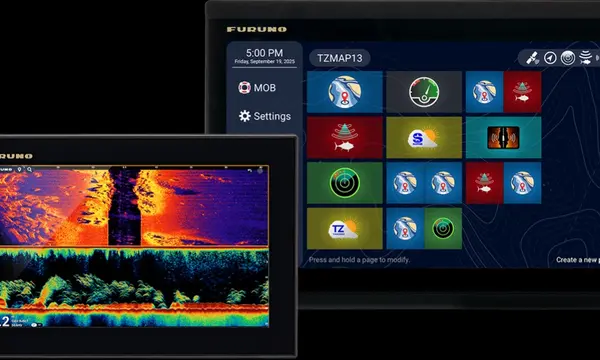
Furuno’s TZMAP9 and TZMAP13 combine stand-alone navigation, TZ MAPS cartography and built-in TruEcho CHIRP sonar in compact displays.
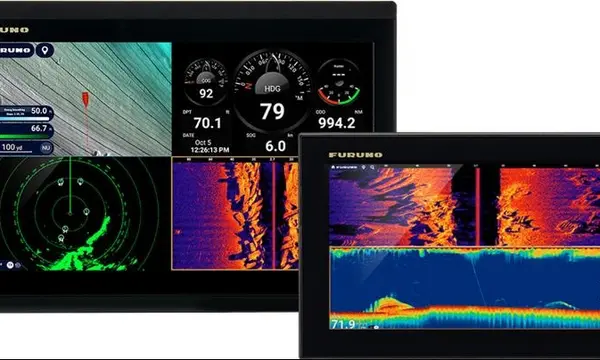
Furuno’s TZtouchE series adds 9- and 13-inch networked MFDs with TZ MAPS, radar and sonar integration in a more compact navigation package.
Superyacht Guide
Continue into the wider Superyacht Guide.
Business opportunities · Superyacht Guide
Companies serving the superyacht market can discuss clearly identified advertising, sponsorship and business-profile opportunities. Commercial activity remains separate from independent editorial coverage.