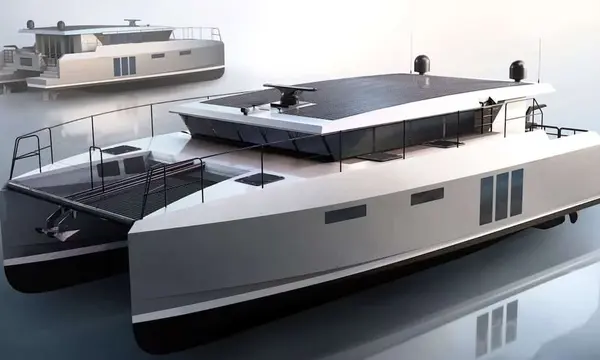
RINA Type Approves Methanol Superstorage System for Yachts
SRC Group's methanol superstorage technology has received RINA Type Approval, giving yacht designers a new certified approach to carrying methanol and ethanol aboard.
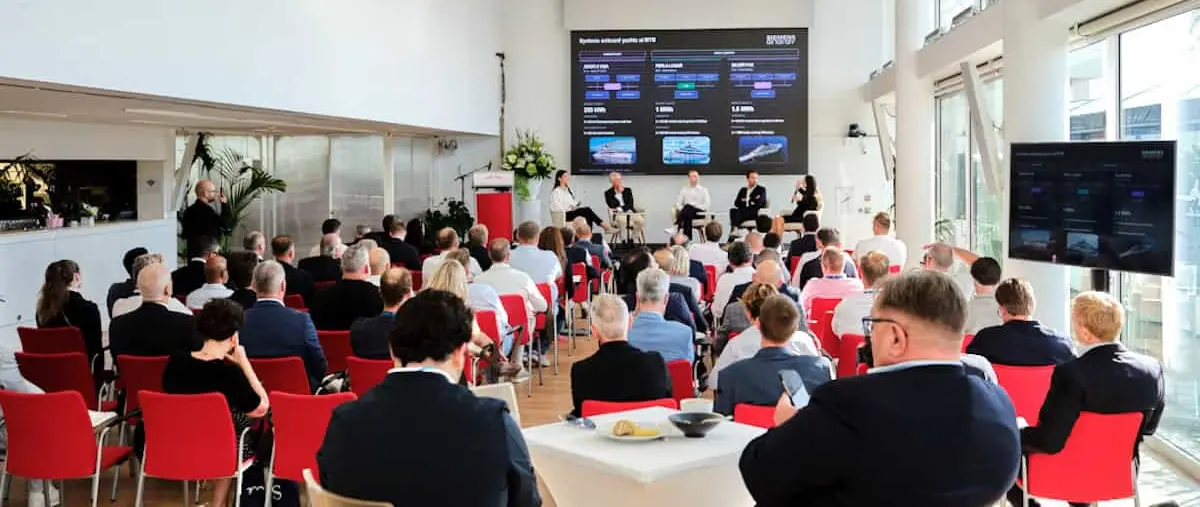
Image: Official source
Yacht Club de Monaco's 31st Captains' Forum concluded that no single fuel or technology can meet every superyacht's future energy requirements.
A discussion involving 128 superyacht captains and international specialists at Yacht Club de Monaco has concluded that decarbonising yachting will require several technologies rather than one universal replacement for diesel. The forum compared renewable generation, batteries and multiple alternative fuels against real operating demands.
The forum considered wind, solar, batteries, HVO, methanol, hydrogen, LNG, ammonia and nuclear power. The recurring conclusion was that range, available space, vessel size and access to fuel or charging infrastructure must determine the solution rather than a single industry-wide preference.
That matters particularly for superyachts because operating patterns vary dramatically between seasonal Mediterranean use, global cruising and regular point-to-point programmes. A system that works well for one yacht may create excessive weight, lost volume or logistical problems for another.
Participants highlighted existing use of solar generation, sailing energy recovery and battery systems to reduce engine and generator hours. The discussion also stressed that simply increasing battery size adds weight, so capacity needs to be matched to the yacht's realistic operating profile.
HVO offers a more immediate option for compatible diesel engines because it can be blended with conventional fuel and used without the major machinery changes associated with some alternatives. Its limitation remains regional availability and the lifecycle emissions of the actual supply chain.
Methanol can support dual-fuel engines while retaining diesel as a fallback where bunkering is limited, but it requires greater modification than HVO. Hydrogen fuel cells eliminate local carbon dioxide and particulate emissions, yet storage volume and marina refuelling remain major constraints.
Speakers noted that regular routes may be better suited to compressed hydrogen because fuelling can be planned around known terminals. More unpredictable superyacht cruising may favour fuels that can be carried more easily or sourced across a wider network of ports.
Nuclear technology is being explored for vessels between roughly 65 and 120 metres, but Lloyd's Register representatives noted that flag-state, port, insurance and nuclear-regulatory frameworks remain significant obstacles. Technical feasibility therefore does not automatically create commercial readiness.
Captains also warned that designing a yacht too tightly around one emerging technology could affect flexibility and future value. The strongest message from the forum was that adaptable energy systems, infrastructure investment and operational input from crews must develop together.
Official sources: marinebusiness.news.
Continue reading
SRC Group's methanol superstorage technology has received RINA Type Approval, giving yacht designers a new certified approach to carrying methanol and ethanol aboard.
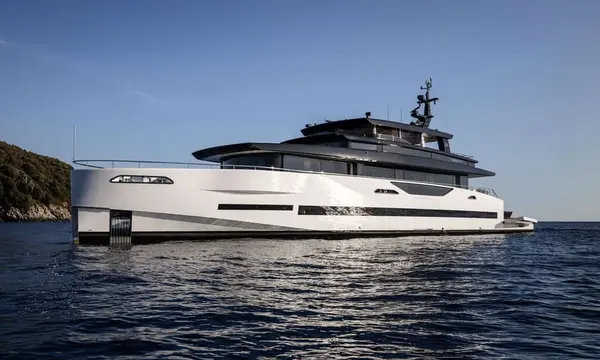
GX Superyachts has presented the 42-metre GX42 with a parallel hybrid drivetrain, substantial battery storage and solar generation integrated into one energy-management architecture.
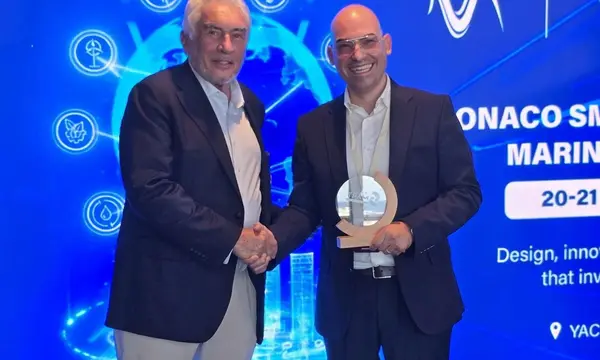
Seares has won the Scaling Pitch Award at Monaco’s Smart & Sustainable Marina Rendezvous for active mooring dampers with load monitoring and energy recovery.
Raymarine has integrated more than 45,000 marine protected areas into LightHouse Charts to support route planning around sensitive and regulated waters.
Superyacht Guide
Continue into the wider Superyacht Guide.
Business opportunities · Superyacht Guide
Companies serving the superyacht market can discuss clearly identified advertising, sponsorship and business-profile opportunities. Commercial activity remains separate from independent editorial coverage.