
Company
CHOMARAT Textiles Industries SAS
Explore the company profile and related Superyacht Guide coverage.
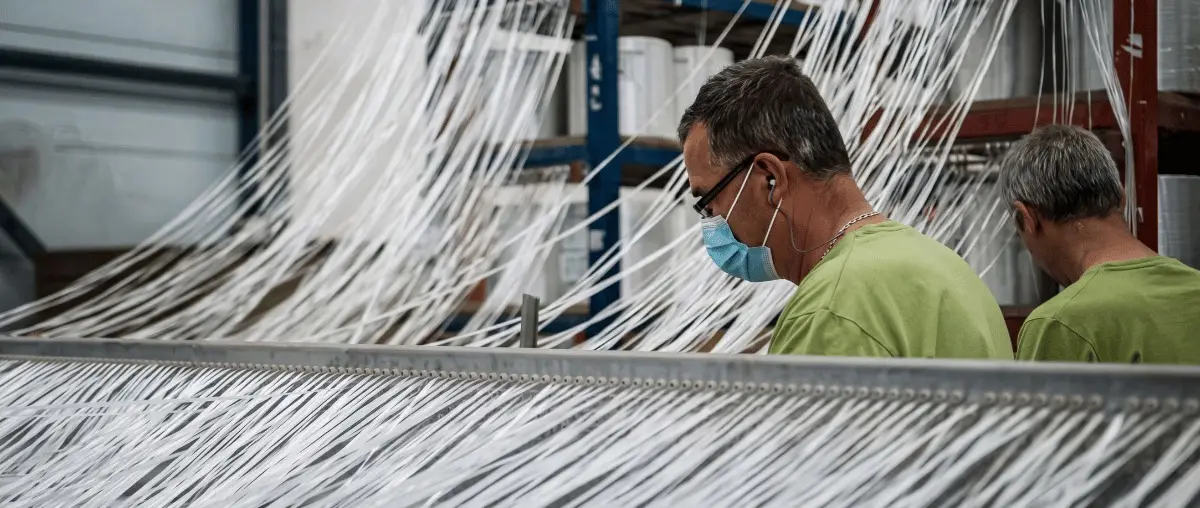
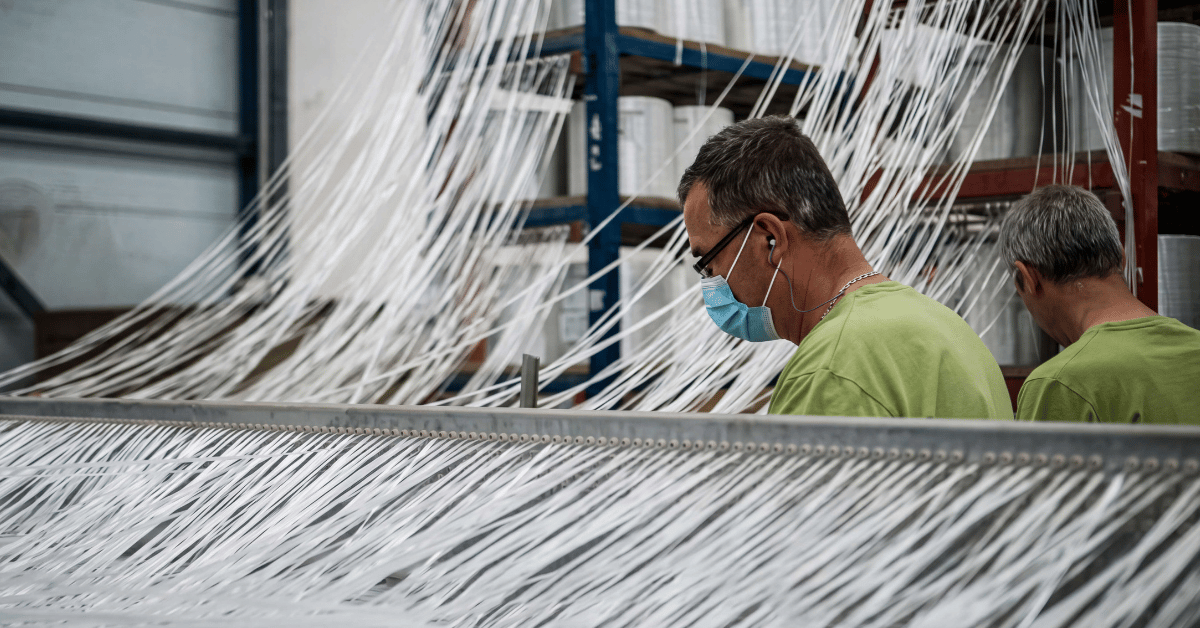
METSTRADE official Chomarat composite manufacturing preview photograph 2026
Chomarat will showcase a marine composite-recycling supply chain at METSTRADE as yachtbuilders examine recovery and procurement of reinforcement materials.
Chomarat is set to present its work on circular glass-reinforced plastic manufacturing at METSTRADE in Amsterdam, which opens on 17 November 2026. The French reinforcement manufacturer is participating in the Construction Materials Zone in Hall 11, stand 11.306. The exhibition organiser has highlighted an industrial collaboration between Chomarat, Groupe Beneteau, Veolia, Composite Recycling, Arkema and Owens Corning that aims to return material recovered from composite manufacturing waste to the production of new marine structures.
The collaboration has already been applied to recreational production boats. Its relevance to the superyacht sector lies in the development of a possible industrial supply chain for recycled constituents, rather than an announcement that a large custom yacht is being built using the scheme. The materials issues facing builders at the upper end of the market differ in important respects from those of series production. Nevertheless, the establishment of recovery infrastructure and reliable sources of reinforcement and resin could affect procurement decisions across the marine construction industry.
One of the noteworthy characteristics of the programme is the involvement of several companies that occupy different positions in the materials cycle. According to METSTRADE's account, Veolia collects composite manufacturing residues and delivers them to a facility in western France. Composite Recycling then processes the material, recovering glass fibres and an oil fraction. Arkema uses the recovered oil in production of its recycled Elium resin, while Owens Corning and Chomarat participate in returning glass-based constituents to the reinforcement supply chain. Groupe Beneteau incorporates the resulting materials into new boats.
The aim is to establish a repeatable industrial system, not simply to demonstrate that a discarded laminate can be broken down in laboratory conditions. A construction business needs a reliable outlet for suitable waste as well as a dependable supply of new materials. Both sides of that arrangement must remain commercially and technically viable if it is to become an ordinary part of yacht manufacturing.
In its September preview of the November exhibition, METSTRADE described the collaboration as a Sustainability Project of the Year winner at the preceding Boat Builder Awards. The recognition relates to the programme as a whole. It should not be interpreted as approval of every individual application or as certification for use in the primary structure of a particular superyacht.
The construction of a composite component can generate waste before the finished structure ever reaches the water. Laminates may be trimmed to their final dimensions after curing, while holes for openings or equipment interfaces remove further material. Offcuts can also arise during the preparation of reinforcement, tooling and other production steps. The amount and composition depend on the construction method, the design and the degree to which materials can be used efficiently.
METSTRADE's reporting places typical laminate losses due to trimming and cutouts in a broad range of ten to thirty per cent. That is an industry illustration, not a measured waste rate for every yard. In a large custom yacht project, the geometry of individual components and the construction sequence may differ significantly from those of a production hull. A useful first step for a builder would be to establish its own waste categories and volumes rather than apply a general percentage to the total material purchased.
Clean, consistently identified manufacturing waste may present a different opportunity from material recovered from a yacht after decades of service. The composition of the latter may be less certain and may include coatings, adhesives, core materials and fittings. A recycling programme needs to identify the range of feedstock that its process can accept and any preparation that must be undertaken beforehand.
The recycling approach described by the organiser uses pyrolysis, a thermal process conducted in an oxygen-limited environment. It separates constituents from the composite so that recovered material can be considered for further industrial use. The gaseous products may contribute energy to the process, while an oil fraction can be recovered and processed.
Whether recovered fibres are suitable for a particular application depends on the characteristics of the material after processing and any further treatment necessary. Their length, condition, surface properties and consistency can influence how reinforcement is manufactured and how it behaves in contact with a resin. These considerations help explain why participation by established materials producers is important. Recovery is only one step towards the manufacture of usable new reinforcement.
The organiser notes that Composite Recycling has developed a transportable processing unit with an eventual target capacity of six tonnes per day. This is a stated processing objective, not a guarantee of current throughput for every waste mixture. The commercial case also depends on collection distances, operating costs, the characteristics of the recovered outputs and the demand for them.
The available account identifies the Jeanneau Sun Fast 30 One Design, Beneteau Oceanis 60 and Excess 11 among the recreational boat models associated with developments in this programme. It describes the Excess 11 as using recyclable and lower-carbon resin systems and a substantial recycled glass-fibre content. The precise composition and extent of application should be checked against the manufacturer's specifications for the relevant boat.
In a June update cited by METSTRADE, Groupe Beneteau reported using 12.6 tonnes of Elium resin in new boat construction and 14 tonnes of recycled and natural fibres through a related collaboration involving Chomarat's glass-and-hemp reinforcement. These figures establish a reported industrial scale of consumption, rather than merely the production of a demonstration sample.
The organiser also reports an estimated carbon dioxide saving of seventy per cent associated with the resin alone. That estimate should not be applied to the complete yacht or assumed to represent the environmental performance of every manufacturing stage. Meaningful comparisons require a common functional unit and defined boundaries, as well as information about transport, processing, production waste and service life.
Many large motor yachts have steel or aluminium hulls, while composite construction is particularly important in performance sailing yachts and selected motor yacht designs. Composites can also be used for individual components or structures within otherwise metallic vessels. The market for marine reinforcement and resin therefore extends beyond all-composite hull construction.
A yard interested in the circularity of its material supply needs to identify where a proposed alternative has an appropriate set of properties. A material used in an interior panel does not necessarily meet the requirements of a highly loaded structural component. Fire performance, durability, weight, impact resistance, manufacturing tolerances and compatibility with adjacent materials may all affect suitability.
The published industrial examples cannot establish that the same products are appropriate for a specific large yacht structure. Such a decision would require the responsible designers and technical authorities to assess relevant test data, design requirements and the yacht's applicable certification arrangements. The potential value of the industrial initiative is that it gives them a more concrete supply-chain proposition to investigate.
When comparing virgin and recovered materials, the purchasing specification is more useful than a broad environmental label. Buyers need to understand the properties warranted by the supplier, the manufacturing process for which the product has been developed, and the inspection or verification documents that accompany component deliveries.
Traceability may become especially important when recovered raw materials are mixed with newly produced constituents. A builder needs to know which batches were used in individual structures so that subsequent repairs and investigations can be undertaken with appropriate technical information. Changes in supplier formulation or available reinforcement could affect whether a material remains acceptable under an established manufacturing procedure.
Waste collection arrangements deserve similar attention. Separating materials at the point of production may make it easier to establish a consistent feedstock than attempting to sort a mixed collection at the end of a project. The costs and practical obligations associated with segregation should be considered alongside the potential environmental and commercial benefits.
Chomarat's appearance in the Construction Materials Zone offers yachtbuilders and their suppliers an opportunity to discuss the actual implementation of the programme. The useful questions concern material data, suitable applications, recovery capacity, continuity of supply and the extent to which established construction procedures could accommodate alternative constituents.
METSTRADE opens tomorrow and runs until 19 November. The circular manufacturing programme is based on previously reported industrial work; it is not being presented here as a newly announced superyacht order or a completed large-yacht recycling project. For the wider construction industry, its significance is the attempt to connect waste recovery with commercial marine material production at a scale that can support repeated use. The next test will be whether those processes can serve an increasing range of technically demanding applications while retaining the consistency that designers and builders require.
Primary source: METSTRADE official Construction Materials Zone editorial preview, 30 September 2026.
Photo: METSTRADE / RAI Amsterdam, official Chomarat article illustration; manufacturing context, not a photograph of the upcoming exhibition. Official source.
Explore
Go deeper into the yachts, companies, events and destinations directly connected to this article.
Company
Explore the company profile and related Superyacht Guide coverage.
Continue reading

As the 2026 Forum opens, its earlier panel review highlights fuel compatibility, lifecycle emissions, sourcing and cost considerations for existing yachts.
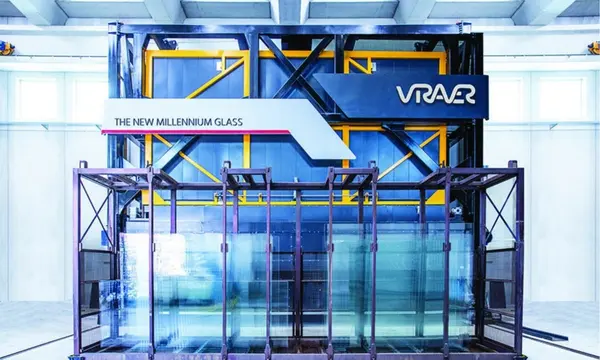
Viraver will discuss complex yacht glazing at METSTRADE, following published comparisons of insulating double glazing, thermal transfer and solar control.
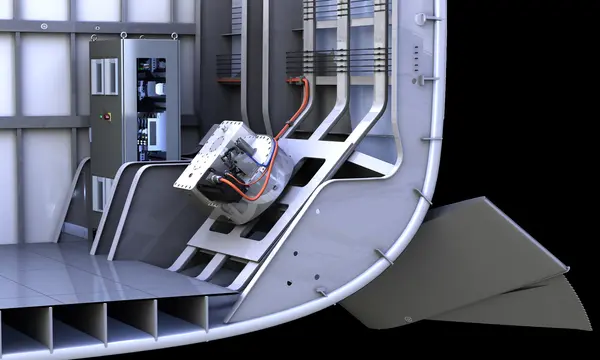
Quantum reports lower stabiliser power demand, longer service intervals and smaller installation requirements after electric e-FIN refits on existing yachts.

Luitec confirms its METSTRADE 2026 Superyacht Zone presence, bringing pump selection, compressed-air systems and refit support expertise to Amsterdam.
Superyacht Guide
Continue into the wider Superyacht Guide.
Business opportunities · Superyacht Guide
Companies serving the superyacht market can discuss clearly identified advertising, sponsorship and business-profile opportunities. Commercial activity remains separate from independent editorial coverage.