Company
Quantum Marine Stabilizers
Explore the company profile and related Superyacht Guide coverage.
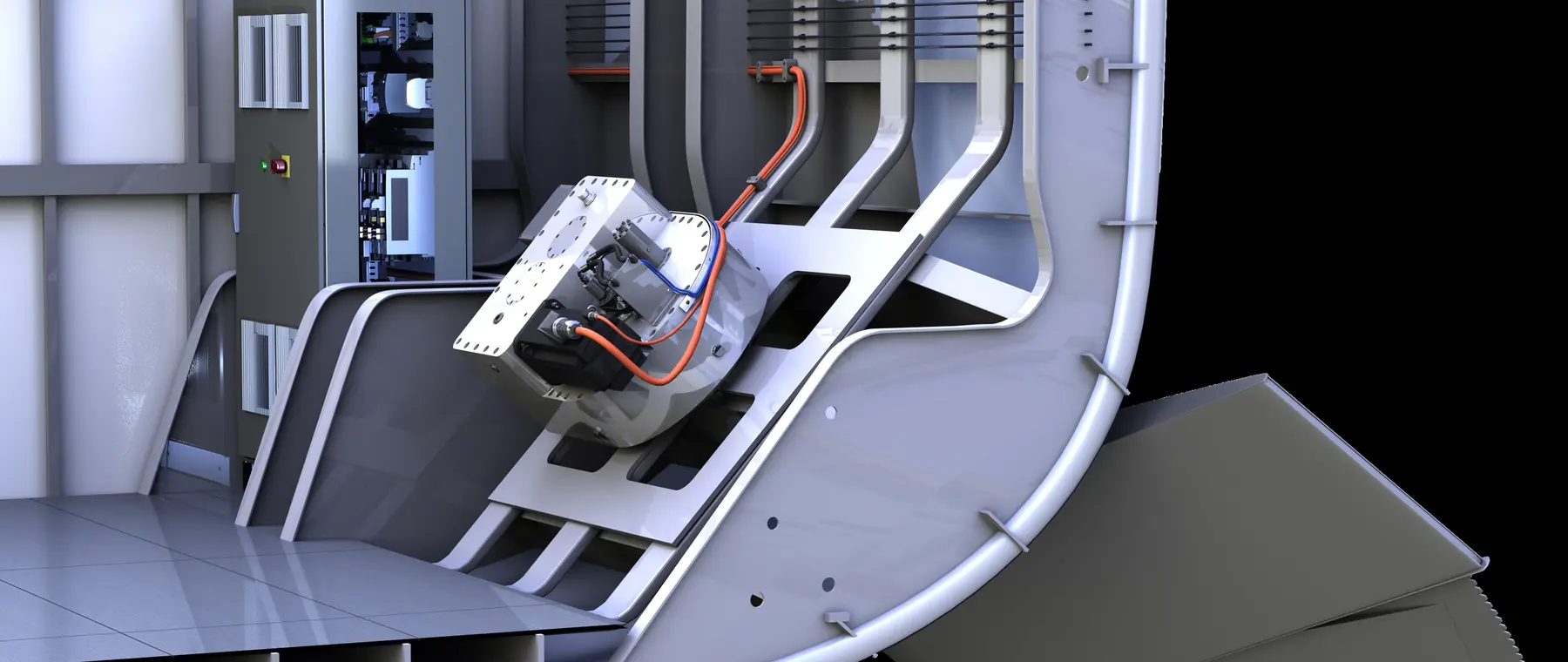
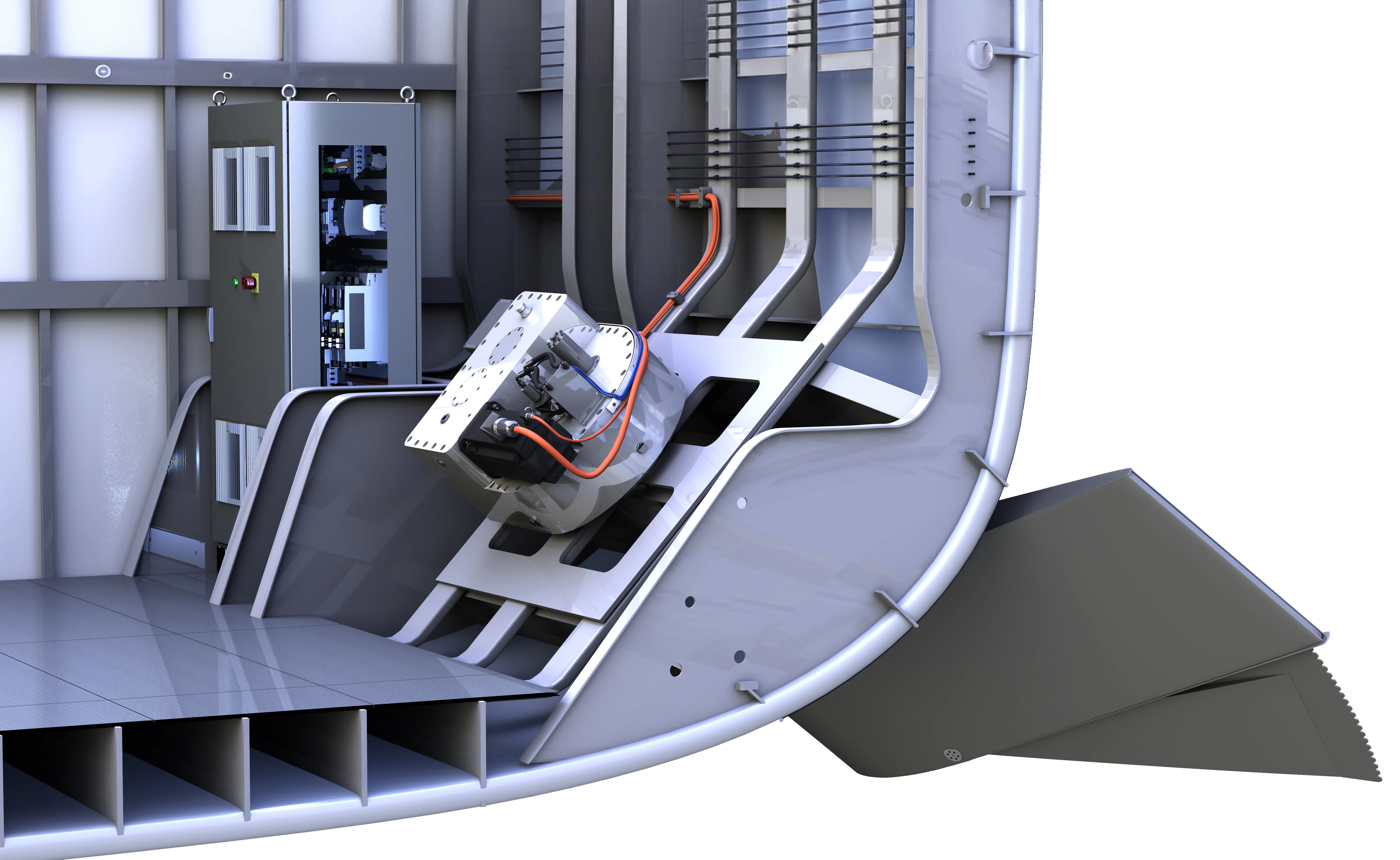
Quantum e-FIN installed arrangement — official technical rendering
Quantum reports lower stabiliser power demand, longer service intervals and smaller installation requirements after electric e-FIN refits on existing yachts.
Quantum Marine Stabilizers has published an update on its fully electric e-FIN stabilisation system following installations aboard several existing yachts. In a manufacturer-authored article published by Northrop & Johnson on 12 November 2026, Quantum reports that measurements from a case study indicate up to 80 per cent lower power consumption underway and 60 per cent lower consumption at zero speed compared with conventional hydraulic stabilisation. The company also describes longer service intervals, lower noise and reduced installation space. The technology is intended for yacht and other marine applications in the 40-to-80-metre range. These figures are especially relevant to superyacht owners considering a refit because changes in stabiliser machinery may have implications for electrical demand, accommodation comfort, maintenance and the organisation of technical spaces. The reported outcomes are the manufacturer's findings, not independent guarantees for every yacht.
Conventional stabilisation installations commonly use hydraulic power to transmit the energy needed to move the fins. Electric actuation offers a different means of delivering that movement and introduces opportunities to reconsider the associated power and control arrangements. Quantum describes its e-FIN as a fully electric system that has now been operating successfully in refit installations after its introduction two years earlier.
The comparison is not simply between the motors or actuators associated with two individual fins. The relevant system includes the equipment drawing energy from the vessel, its control arrangements and any additional components needed to support the installation. A yacht's chief engineer considering a conversion should establish the boundaries of the proposed comparison and understand which existing equipment will remain in service. The electricity required by a stabilisation system will ultimately have to be supplied by the yacht's operating power system. Its implications for generator demand or other energy sources depend on the broader design and the vessel's actual operating circumstances. The published November update does not identify the yachts included in the case study or provide their complete measurement records.
Quantum's update separates the reported results into consumption underway and at zero speed. It reports a reduction of up to 80 per cent in the former condition and 60 per cent in the latter, compared with a conventional hydraulic installation. It also identifies a change in idle power demand from approximately 20 kilowatts to 1 kilowatt. These are distinct measurements associated with different operating conditions and should not be combined as if they described a single continuous power requirement.
The actual energy used over a yacht's operating season depends on the time spent in the relevant conditions and the changing demands placed on the system. The difference between a power measurement in kilowatts and energy consumption over time is particularly important when assessing possible reductions in operating costs. A vessel spending substantial periods at anchor may have a different consumption profile from a frequently operating passage-making yacht. The wind, sea conditions, stabiliser settings and other characteristics of the vessel influence the movements required of the equipment. The manufacturer's reported percentage reductions provide a reason to investigate the technology, but the responsible technical team should establish a baseline and expected duty profile for its own proposed installation before estimating an annual benefit.
Quantum attributes part of the reported performance to its control algorithm and integrated energy storage system. The company describes a process by which energy associated with the movement of the fins while underway can be recovered, stored and reused when additional power is required. This is a notable distinction from an arrangement that simply consumes energy to move the fins without recovering a portion of it during subsequent movement.
The energy available for recovery will vary with the operating conditions and the actual movement of the system. It is therefore important to distinguish the designed capability from the quantity of energy that can be recovered during a particular voyage. The integration of an energy storage component also presents questions about its capacity, management and relationship to the vessel's overall electrical installation. The November announcement does not disclose detailed specifications for that component. Engineering representatives considering an installation should seek the appropriate information from Quantum and review its implications with the parties responsible for the yacht's electrical design and approvals. Energy recovery can be an interesting element of a broader efficiency strategy, but the precise benefits need to be assessed in the context of the complete system.
Quantum reports an increase in the service interval from 8,000 hours to 15,000 hours and attributes possible maintenance advantages to a simpler arrangement with fewer components. The company estimates an investment payback of approximately three years, taking account of projected fuel and maintenance savings, subject to vessel operation. The number of hours and the financial estimate represent different aspects of the proposition.
A maintenance interval must be understood in relation to the particular service task to which it applies. It should not be interpreted as removing the obligation to inspect or maintain other elements of the system. A yacht manager evaluating the financial case should consider the cost of equipment, installation, engineering work and any necessary modifications to the vessel. The analysis should also consider the actual pattern of consumption and maintenance of the existing installation, together with the expected cost of services and parts associated with the replacement. The acquisition decision may be different for a yacht already scheduled for a major refit compared with one that would have to undertake an additional period of work specifically to accommodate the new equipment. Quantum's three-year estimate is therefore appropriately considered as a supplier projection requiring validation against the particular project.
The November update compares reported sound levels of 62 decibels for e-FIN with 75 decibels for a conventional hydraulic system. It also identifies a smaller installation footprint and the elimination of a dedicated cooling-water system. A reduction in machinery noise can be particularly relevant aboard a superyacht because technical equipment may be located close to guest accommodation or other spaces where quiet operation is desirable.
Sound levels are logarithmic measurements, and the location and circumstances of measurement are relevant to any comparison. The source does not specify a complete acoustic measurement method or establish that the reported values are representative of every room aboard a yacht fitted with the system. The noise experienced by a guest depends on the transmission of sound and vibration through the vessel as well as at the source of the noise. Technical assessment should therefore consider the way the equipment will be supported and integrated into the physical structure of the yacht. A refit can provide an opportunity to examine those arrangements, particularly where the owner has identified an existing comfort issue during stabiliser operation.
Quantum reports more than 35 per cent less installation space compared with the conventional hydraulic system used for its comparison. The technology is intended for both new construction and retrofits, including possible conversion from the company's existing XT stabilisation systems. The November article includes a visual representation of the proposed installation arrangement.
The physical dimensions of the replacement equipment are only part of the engineering assessment needed aboard an existing yacht. Access for bringing components aboard, the availability of appropriate service space, the location of electrical connections and the relationship with the existing structure all affect the scope of an installation. Any alterations around a fin installation must be examined by the responsible engineers and the parties involved in the relevant vessel approvals. The ability to convert an existing product family is useful information, but it should not be understood as a statement that every installation can be converted without additional structural, electrical or control work. The supplier and yard can establish what is required for the particular yacht after examining its actual configuration and records.
Quantum reports improvements of up to 30 per cent in fin range, rotational speed and torque performance. These figures concern the performance characteristics described by the company. They do not directly establish that every yacht will experience a corresponding percentage reduction in roll or improvement in guest comfort. The response of a vessel to sea conditions is influenced by its displacement, hull characteristics, loading and the operation of its stabilisation system.
A yacht owner considering a proposed upgrade should distinguish individual actuator performance from the behaviour of the vessel as a complete system. An appropriate technical assessment can establish the expected outcome for the existing yacht and the means by which the performance of the completed installation will be evaluated. The installation should also be examined according to the operating requirements for the vessel at anchor and underway, which can differ substantially. A period of commissioning provides an opportunity to assess whether the completed system meets the agreed specification under the relevant conditions. This is a more meaningful basis for evaluating the result than relying solely on a headline performance figure.
The manufacturer identifies the e-FIN as suitable for marine applications in the 40-to-80-metre range and says that several previously refitted yachts are already operating the equipment. Its report adds operational evidence to a technology introduced approximately two years earlier. The extent to which that experience can be applied to another yacht will depend on the technical characteristics of the proposed installation and the conditions under which it will be operated.
Owners interested in reviewing the system should seek vessel-specific technical information, an installation proposal and the basis of any projected operating savings. The relevant engineering and approval requirements should be addressed before the scope of a refit is agreed. Quantum's November report suggests that fully electric stabilisation could materially change the operating demands and maintenance arrangements of a suitable installation. The important next step for an individual yacht is to establish whether those benefits can be achieved within its own existing machinery, electrical architecture and operational programme.
Primary source: Quantum Marine Stabilizers, manufacturer-authored technical update via Northrop & Johnson, 12 November 2026.
Quantum Marine Stabilizers — official technical installation illustration accompanying its manufacturer-authored Northrop & Johnson article. Official source.
Explore
Go deeper into the yachts, companies, events and destinations directly connected to this article.
Company
Explore the company profile and related Superyacht Guide coverage.
Continue reading
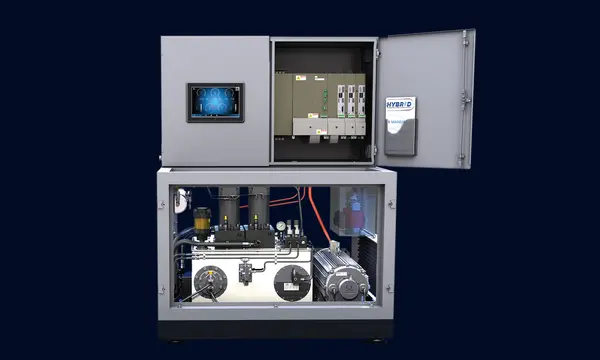
Quantum says its F45 hybrid stabiliser power system can reduce power use by up to 80% underway and 60% at zero speed while recovering …
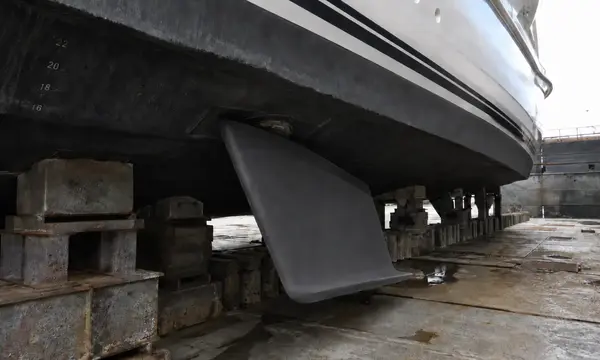
Stabilizers can transform comfort aboard a superyacht underway and at anchor, but their value depends on correct sizing, installation and maintenance. We examine how …

Quantum Marine Stabilizers has added a Monaco sales and marketing office to its European network, complementing service operations in Barcelona and the Netherlands.
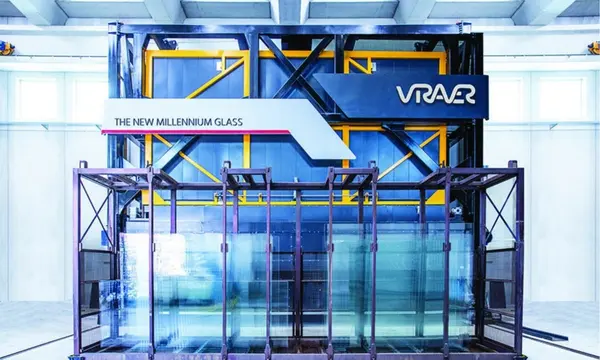
Viraver will discuss complex yacht glazing at METSTRADE, following published comparisons of insulating double glazing, thermal transfer and solar control.
Superyacht Guide
Continue into the wider Superyacht Guide.
Business opportunities · Superyacht Guide
Companies serving the superyacht market can discuss clearly identified advertising, sponsorship and business-profile opportunities. Commercial activity remains separate from independent editorial coverage.