
Company
Viraver Technology S.r.l.
Explore the company profile and related Superyacht Guide coverage.
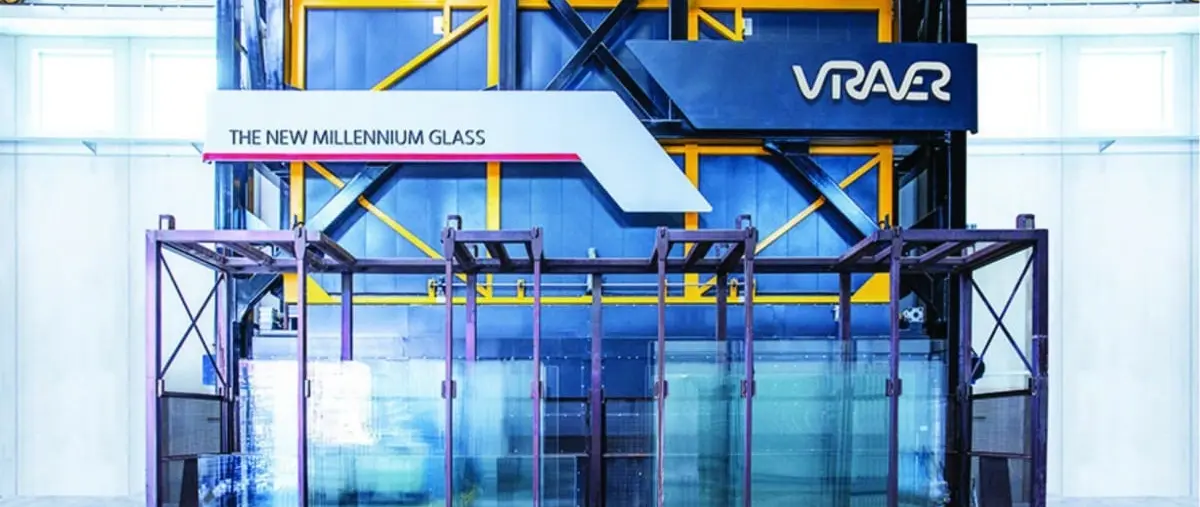
Viraver glazing manufacturing equipment — official technical press photograph
Viraver will discuss complex yacht glazing at METSTRADE, following published comparisons of insulating double glazing, thermal transfer and solar control.
Italian glass specialist Viraver Technology will present its approach to complex glazing projects at METSTRADE in Amsterdam from 17 to 19 November 2026. Its 5 November announcement directs visitors to stand 08.643 in the Superyacht Pavilion, where the company will discuss curved glass and high-performance solutions. The exhibition comes after Viraver published technical comparisons between insulating double glazing and standard laminated glass at the Monaco Yacht Show in September. Taken together, these two announcements offer an opportunity to examine the growing importance of glazing to the engineering and architectural character of large yachts. The company has not identified a new product model being launched in Amsterdam. Its participation is instead concerned with the design and manufacture of glazing for complex projects, and with how the technical characteristics of the material can be understood alongside the visual intentions of the designer.
In May 2026 Viraver published an account of its approach to new yacht design, emphasising the way that glass can contribute to the identity of the vessel and be considered at the early stages of its engineering development. A large glazed area can fundamentally alter the character of a saloon or the apparent relationship between indoor and outdoor spaces. It can also become an important component in the yacht's environmental performance.
These effects cannot be assessed independently of the structure into which the glazing is installed. The shape of an opening, the load imposed on the material, the supporting structure and the performance required of the completed assembly must be established for the particular design. A large yacht built around extensive glazing may require its designer to consider the relevant material characteristics long before the final interior finishes are selected. A refit may be considerably more constrained because the surrounding structure, dimensions and available routes for bringing replacement material aboard have already been determined. The opportunity to discuss those distinctions with a specialist is a principal reason to examine Viraver's presence within the Superyacht Pavilion.
Viraver's September technical announcement compares two types of glazing. Its insulating double-glazed example has a solar energy transmittance, or g-value, of 20 percent, a thermal transmittance of 1.2 watts per square metre kelvin and a light transmission figure of 33 percent. The standard laminated example used for comparison has respective figures of 51 percent, 4.8 watts per square metre kelvin and 42 percent.
The g-value describes the proportion of incident solar energy entering through the glazing under the stated conditions, while the U-value describes heat transmission in response to a temperature difference. Visible light transmission is a separate characteristic. The figures therefore illustrate different aspects of a specification rather than representing three interchangeable measurements of the same physical effect. Viraver's figures apply to the glazing examples discussed in its announcement. They should not be assumed to apply to every configuration supplied by the company or to establish the actual thermal performance of an entire yacht. The composition, frame, installation and other features of the particular assembly must all be considered in the relevant engineering assessment.
The distinction between solar gain and thermal transmission is particularly relevant to a yacht intended to spend substantial periods in warm cruising regions. In a space exposed to direct sunlight, the characteristics of a glazed surface can affect how much solar energy enters the interior. A yacht's air-conditioning system must respond to the total thermal load, which also includes the effects of other surfaces, ventilation, people and equipment.
The difference between the g-values reported by Viraver suggests a potentially significant difference in glazing performance under the specific comparative conditions. It does not establish a corresponding percentage reduction in total air-conditioning power or yacht fuel consumption. Those outcomes depend on the overall design and use of the vessel. A technical team considering a significant change to a glazing specification should assess the implications for the actual accommodation spaces, including the chosen orientation, size and exposure of the windows. That information can help determine what effect the material choice might have on the environmental demands of the interior rather than using a supplier's material comparison as a complete assessment of the yacht.
Visible light transmission is a significant design consideration in its own right. Viraver's reported comparison identifies a lower transmission figure for the insulating double-glazed option than for the standard laminated example. A difference of this kind may be important in an interior conceived around a particular quality of daylight or the appearance of the exterior through the window.
A glazing specification ought to be considered in relation to the other surfaces and the lighting strategy of the space. A window close to the principal guest seating may be expected to provide a different experience from one located in a passageway or technical area. The overall impression also depends on the amount and character of daylight available outside. Designers can use samples and other appropriate methods to assess the intended relationship between glazing, interior materials and the lighting scheme. At the same time, the material selected must meet the technical requirements of the installation. The aim of retaining visual transparency and the objective of limiting solar gain may require decisions that are more nuanced than simply maximising one published performance figure.
The November exhibition notice draws particular attention to complex curves. A curved glass component can contribute to the continuity of an exterior design and enable a designer to avoid some of the visible interruptions that would otherwise be associated with a change in the shape of the yacht. The geometry of an ambitious exterior concept, however, must be translated into an actual manufacturable component.
A productive discussion with the glass manufacturer starts with accurate geometric and technical information. The proposed edge details, supporting structure and allowable dimensional variation may affect the feasible design. Production, transportation and installation of the component must be considered as well. A glass assembly that can be manufactured may still present particular logistical difficulties if the yacht's construction schedule or surrounding equipment restricts the available access. Where the yacht incorporates several individually shaped pieces, the project should establish how their interfaces will be coordinated. Viraver's stand provides a place to initiate such discussions, but the company has not announced a universal dimensional limit or specification that can be applied to every complex curved project.
Viraver's earlier account identifies the development of structural glazing and glazed deadlights among the technologies influencing contemporary yacht design. These are particularly important examples of the need to understand the function of the complete installed system. A glazed component may be expected to fulfil more than a decorative or optical purpose depending on its location and application.
The responsible naval architects, engineers and approval authorities need to establish the requirements that apply to the specific installation. A material specification should be considered together with the fastening or bonding arrangement and the structure surrounding it. Information required for technical review may include the intended operating conditions, the geometry of the component and the characteristics of the individual assembly. A laboratory or manufacturing figure cannot by itself replace evaluation of the actual design. Likewise, the fact that one yacht has incorporated an unusual glazed feature does not establish that an equivalent design will be suitable for a different hull form or structural arrangement. These questions are most effectively addressed while the relevant design elements are still capable of being adjusted.
An existing yacht may need replacement glazing for reasons ranging from damage to changes in its intended interior arrangement. The scope of the replacement depends on the particular installation and on the condition of the surrounding structure. In a refit, information about the original component and how it was installed can be particularly valuable. The team may need to locate drawings and manufacturing records or establish dimensions through an appropriate survey.
Access to the installation may also determine the sequence of work. A window integrated with existing furniture or internal finishes can present more extensive requirements than the replacement of the panel itself suggests. The project manager should establish the feasibility of the proposed intervention and the scope of associated works before committing to a schedule. The final specification should consider not only the appearance of the replacement but also the relevant technical performance and compatibility with retained elements. There is no guarantee that a glazing concept developed for a new-build yacht can be directly incorporated into an older one. A conversation with the specialist helps identify what further information will be needed.
Viraver's 5 November announcement identifies stand 08.643 at the Amsterdam event. Further technical background is available in the company's 11 May superyacht design article at https://viraver.com/en/for-new-superyachts-glass-is-no-longer-just-an-enclosure-element/ and its 24 September comparative data at https://viraver.com/en/news-from-the-monaco-yacht-show/.
For owners' representatives and designers, the reason to investigate the company's approach is the interaction between architecture, environmental conditions and the technical requirements governing glazing installations. A carefully chosen material can form an important part of the design of a yacht, but its value depends on how successfully it is integrated. At METSTRADE, project teams have an opportunity to examine the available options and identify the engineering information needed for a later procurement decision. The company has described its technical direction; the actual performance and feasibility of an individual installation remain matters for the specific project.
Primary source: Viraver Technology, official 5 November 2026 exhibition notice, via TheSeaWire.
Original shipyard release: Original company announcement.
Viraver Technology — official May 2026 superyacht glazing technical article photograph illustrating manufacturing capability, not the METSTRADE stand. Official source.
Explore
Go deeper into the yachts, companies, events and destinations directly connected to this article.
Company
Explore the company profile and related Superyacht Guide coverage.
Continue reading
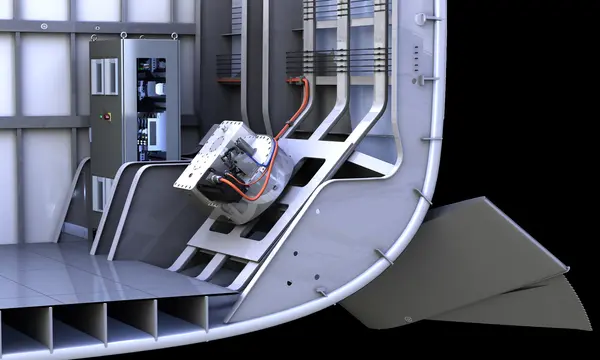
Quantum reports lower stabiliser power demand, longer service intervals and smaller installation requirements after electric e-FIN refits on existing yachts.

Luitec confirms its METSTRADE 2026 Superyacht Zone presence, bringing pump selection, compressed-air systems and refit support expertise to Amsterdam.
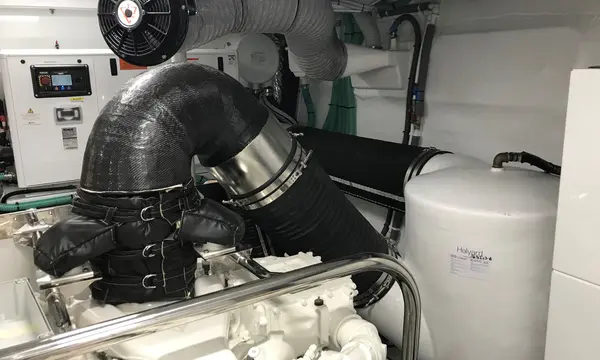
Halyard and Eminox outline integrated exhaust and aftertreatment cooperation ahead of METSTRADE, following their letter of intent first publicised in July.
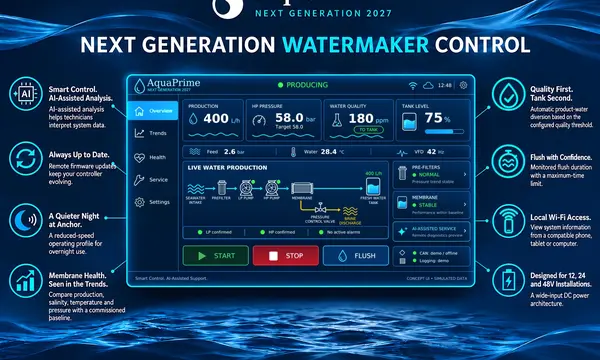
AquaPrime will preview its new watermaker control platform at METSTRADE, with touchscreen monitoring and diagnostic features under development for yacht crews.
Superyacht Guide
Continue into the wider Superyacht Guide.
Business opportunities · Superyacht Guide
Companies serving the superyacht market can discuss clearly identified advertising, sponsorship and business-profile opportunities. Commercial activity remains separate from independent editorial coverage.