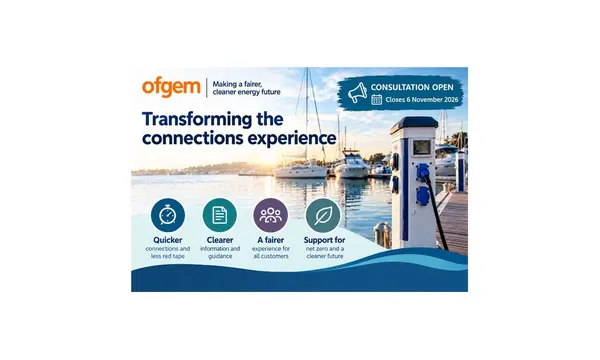
British Marine Seeks Shore-Power Evidence for Ofgem Grid Reforms
British Marine asks marinas, yards and shore-power developers for evidence of grid-connection delays and costs as Ofgem consults on electricity network service standards.
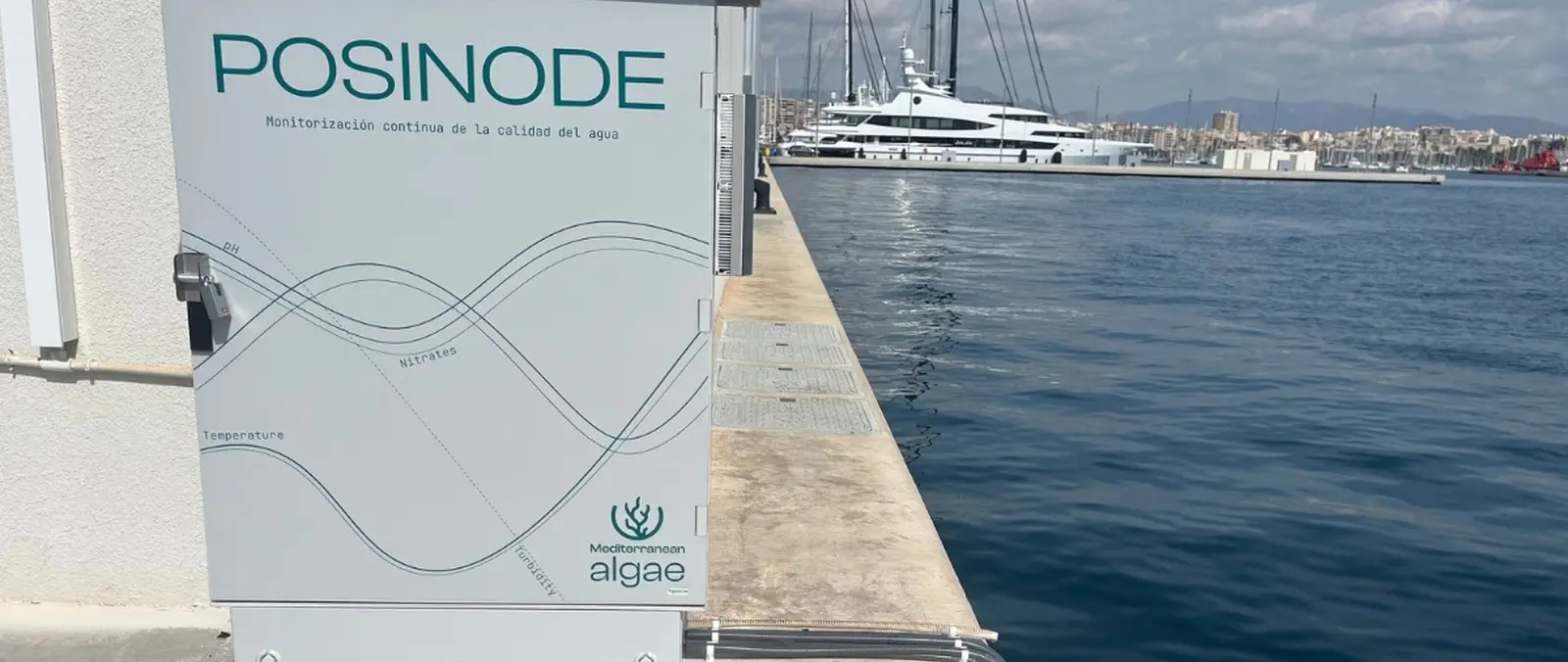
Club de Mar-Mallorca becomes the Balearic Islands' first marina to use Mediterranean Algae's POSINODE continuous water-monitoring service at Pier 70.
Club de Mar-Mallorca has introduced POSINODE, a continuous seawater-quality monitoring service developed by Mediterranean Algae, becoming the first marina in the Balearic Islands to use the technology. The installation is operating at Pier 70 in Palma and provides a stream of measurements intended to improve environmental oversight and help identify potential pollution incidents earlier.
The service is being introduced as part of the marina's efforts to modernise operations following waterfront improvements. Mediterranean Algae describes POSINODE as a technology-supported approach to monitoring water conditions, not a replacement for established environmental sampling, regulatory reporting or emergency intervention procedures.
Conventional marina monitoring often depends on periodic collection and analysis of water samples. Those measurements are important, but events between sampling visits can be missed. A continuously operating device offers a different view: it can track changes in selected physical and chemical parameters and create a longer historical record of conditions around the berth area.
According to the announcement, POSINODE can also support early alerts for possible incidents, including hydrocarbon contamination. An alert is an indication that conditions may require closer investigation, not proof of the pollutant's identity or its source. Port teams would still need appropriate verification, response procedures and coordination with the responsible environmental authorities.
Yacht marinas manage a mixture of routine operations, fuel handling, washdown activities and incoming water from neighbouring urban and marine areas. Pollution can have several sources, so separating an operational problem at a berth from changes arriving with currents or stormwater requires a consistent evidence base.
For superyacht managers, environmental controls are increasingly part of assessing a long-term home port. A monitoring system can make the operator better informed, but guests and crew should not assume the presence of sensors means the water is safe for every activity or that incidents cannot occur. Proper maintenance, waste collection and emergency planning remain essential.
POSINODE provides data intended to support marina decisions and longer-term environmental assessment. The project has received support through the European Union's NextGenerationEU programme within Spain's Recovery, Transformation and Resilience Plan and a data-spaces grant scheme. That funding context reflects interest in using digital monitoring to improve infrastructure management.
The value of the system will depend on calibration, maintenance, data quality, alarm thresholds and clear responsibility for acting when conditions change. A marina also needs a way to explain meaningful results to berth holders without confusing isolated sensor readings with a full environmental assessment.
Club de Mar-Mallorca is a 500-berth facility in Palma, a long-established base for yachts visiting the Balearic Islands. The marina has recently completed improvements including new pedestrian connections between its premises and the waterfront. The environmental installation therefore sits alongside broader work to improve the harbour's infrastructure and accessibility.
The organisation's environmental team says dependable continuous data will assist efforts to anticipate incidents and work toward more effective port management. The original photograph accompanying this article is credited to Mediterranean Algae through the release; it is not presented as a generic aerial view of another marina.
Continue reading
British Marine asks marinas, yards and shore-power developers for evidence of grid-connection delays and costs as Ofgem consults on electricity network service standards.
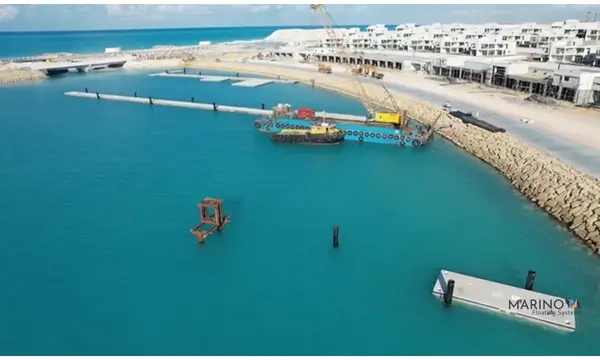
Marinova Floating Systems completes placement of 100 main concrete pontoons and 59 steel mooring fingers at El Alamein New Marina, targeting 230-plus yacht berths.
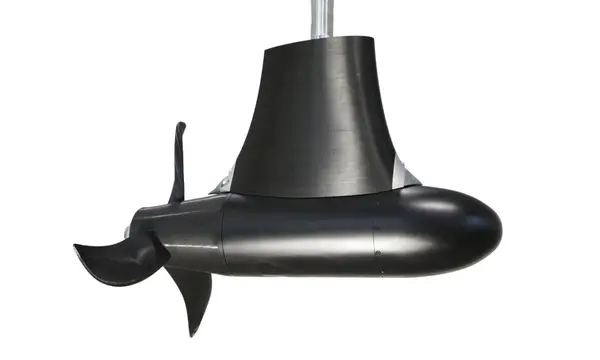
Velettrica's Genoa-debuted Drive-Pod-16 combines a submerged motor, modular batteries and control electronics, offering 14.2kW continuous output for smaller yachts and support craft.
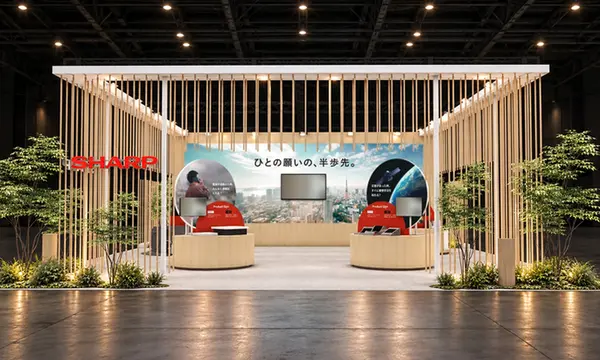
Sharp prepares to demonstrate its MEO/LEO tracking satellite user terminals at CEATEC 2026, with marine vessels among the planned mobile use cases.
Superyacht Guide
Continue into the wider Superyacht Guide.
Business opportunities · Superyacht Guide
Companies serving the superyacht market can discuss clearly identified advertising, sponsorship and business-profile opportunities. Commercial activity remains separate from independent editorial coverage.