Image: CMC Marine via PressMare
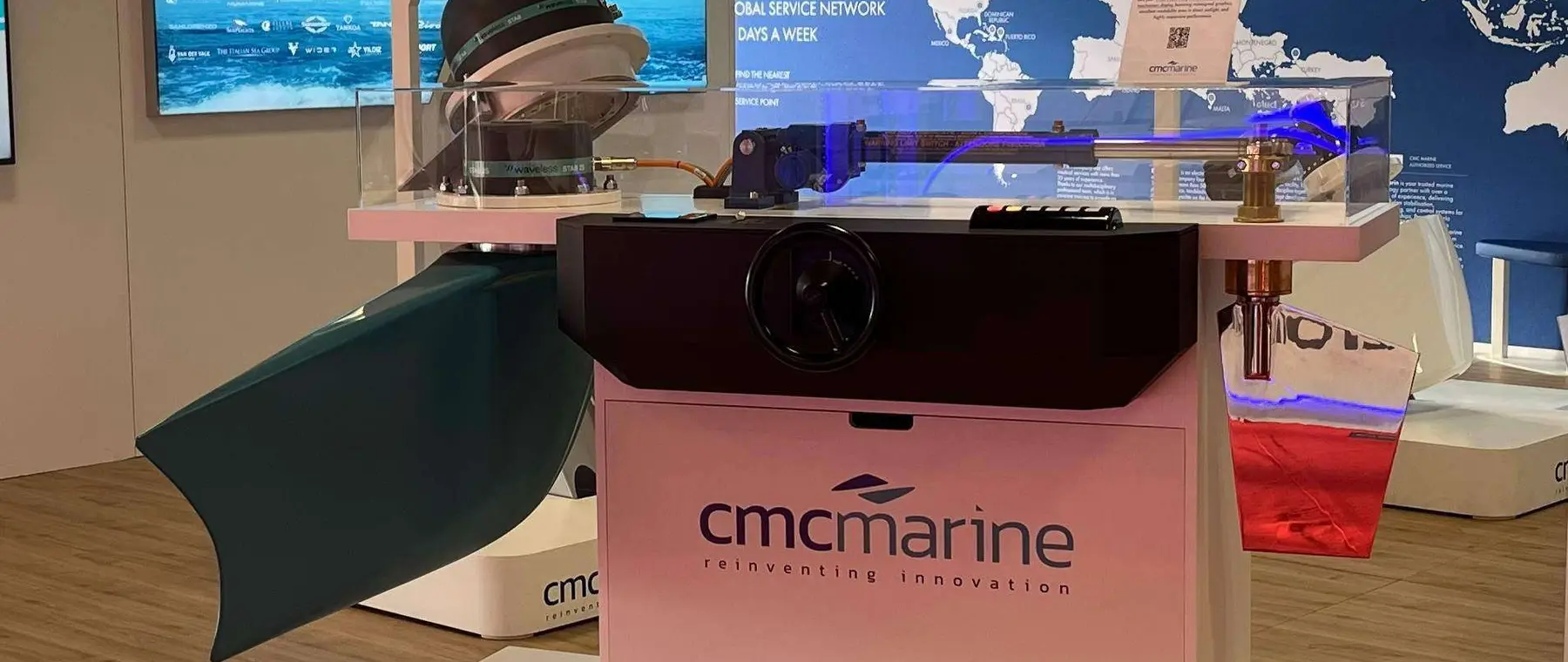
CMC Marine is showing new LA fins, Waveless STAB 50/60 units, five-blade Dualis Electra propellers and a new NMEA 2000 touchscreen at Monaco.
CMC Marine is bringing a wider package of new stabilisation and manoeuvring hardware to Monaco Yacht Show 2026, including Low Aspect Ratio stabiliser fins, new Waveless STAB 50 and STAB 60 units and five-blade propellers for its Dualis Electra thrusters. The products sit alongside the company's Energy Recovery System, which Superyacht Guide covered separately earlier this month.
The new hardware focuses on reducing hydrodynamic drag, smoothing thruster output and expanding electric stabilisation into larger yacht applications. CMC Marine is also showing a redesigned touchscreen interface with CAN NMEA 2000 connectivity for integration with the yacht's onboard network.
The new Low Aspect Ratio fins were developed by CMC Marine's in-house research and development team for Stabilis Electra systems. The company says a lower aspect ratio and rounded leading edge reduce turbulence and can cut hydrodynamic resistance by up to 30 percent compared with the reference configuration.
The range is available for fin areas from 2.10 to 7 square metres. Lower drag can reduce the energy penalty associated with carrying stabiliser fins through the water, although the actual effect on a yacht's fuel consumption will depend on hull form, speed and operating profile.
CMC Marine has added the Waveless STAB 50 and STAB 60 to its compact electric stabiliser range. The company says the two units extend Waveless applications to yachts up to around 45 metres and displacement above 200 tonnes while keeping machinery-space requirements comparatively small.
Compact installation volume can be particularly important during refits, where stabilisation equipment must fit around an existing machinery layout. It can also give naval architects greater flexibility on new builds where technical-space allocation competes directly with guest accommodation and storage.
Dualis Electra thrusters are also receiving a new five-blade propeller geometry developed by CMC Marine. The company says the design can reduce thrust fluctuations by up to 30 percent, with the aim of improving manoeuvring precision while lowering noise and vibration transmitted through the yacht.
Thruster comfort is most noticeable during close-quarters manoeuvring, when repeated power changes can generate strong acoustic and structural feedback on board. Smoother thrust delivery therefore has implications for both control response and guest comfort in harbour.
The product update is completed by a capacitive touchscreen with revised graphics and improved readability in direct sunlight. CAN NMEA 2000 ports allow the display to exchange information with the wider onboard network, including propulsion signals and GPS data.
Taken together, the Monaco package shows CMC Marine developing the stabiliser, thruster and control interface as a connected system rather than as separate pieces of hardware. That direction is increasingly relevant on electric and hybrid yachts, where energy use, control software and machinery integration need to be considered together from the design stage.
Explore
Go deeper into the yachts, companies, events and destinations directly connected to this article.
Continue reading
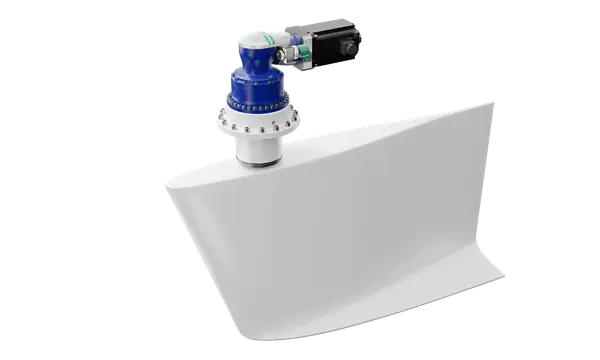
CMC Marine says its Energy Recovery System can recover energy from electric stabiliser fins and reduce stabiliser power consumption by up to 50%.
Water Revolution Foundation has introduced a four-tier verification framework for its Hub of Verified Solutions, giving yacht suppliers a staged route toward full LCA.
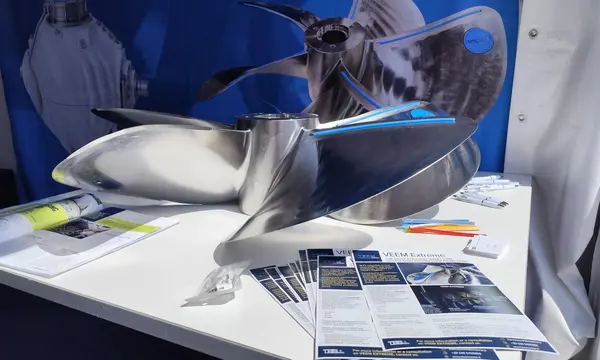
VEEM says Lloyd's Register-witnessed trials of its Extreme propeller and rudder delivered 18.1% higher efficiency and 11.9% lower fuel burn.
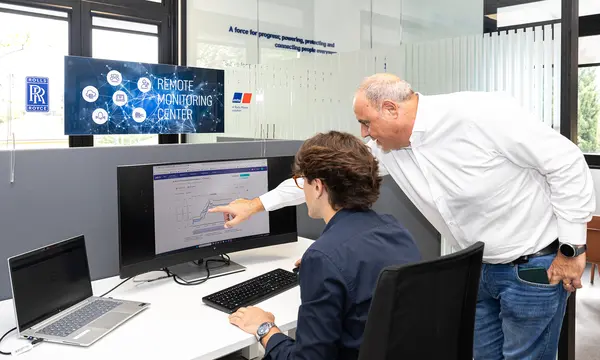
Rolls-Royce has opened a new mtu Remote Monitoring Centre in Arcola, Italy, with yacht and marine propulsion systems among the first applications monitored.
Superyacht Guide
Continue into the wider Superyacht Guide.