
CMC Marine Warns Skills Shortages and Rising Costs Threaten Yacht Suppliers
By Stephen Yardley · Edited by Stephen Yardley
CMC Marine vice president Pietro Cappiello has identified economic instability and shortages of skilled workers as two major risks for companies serving the superyacht market. Speaking in a September 2026 interview, he said the effects of i
CMC Marine vice president Pietro Cappiello has identified economic instability and shortages of skilled workers as two major risks for companies serving the superyacht market. Speaking in a September 2026 interview, he said the effects of inflation and geopolitical uncertainty are being felt across manufacturing even as large yachts become more technically advanced. His assessment concerns the business environment rather than a new stabiliser or propulsion launch.
Cappiello warned that a significant financial downturn could affect both the customer base and the network of component suppliers. Costs have risen while buyers continue to seek competitive pricing, leaving less room to absorb delays, rework and changing technical requirements. Such pressures may affect companies differently depending on their markets and order books.
Large superyachts increasingly incorporate electric actuation, integrated controls and sophisticated onboard power systems. This creates demand for technicians who understand mechanical engineering, electronics, software and installation standards. Cappiello highlighted difficulty finding experienced mechanical and electronic specialists as well as people able to manage complex teams.
New equipment must be designed, installed and maintained across the vessel's life, so shortages cannot be addressed solely by hiring more workers for the initial build. Training programmes, apprenticeships and specialist supplier partnerships need to keep pace with the technology being sold. An unexpected gap in commissioning expertise can delay an entire yacht even if its hardware has been manufactured.
Manufacturers have faced changes in material, component and logistics costs since the pandemic period. Long projects can be particularly vulnerable because a quoted price may have been negotiated before later cost movements become known. Well-structured procurement and realistic contingencies reduce exposure but cannot eliminate global economic risks.
Owners and shipyards should examine which equipment contracts offer fixed prices, which permit variations and what happens if a supplier cannot meet its delivery schedule. The commercial framework matters because delays in one technical system can interfere with completion of adjacent work. Clear technical specifications and early integration meetings help reduce avoidable expense.
CMC Marine has invested in electric stabilisation and thruster systems, making energy consumption and integration part of its engineering work. Cappiello said the company had not experienced substantial additional sustainability pressure because its long-term technology direction already involved electrification. That is the supplier's commercial perspective, not evidence that all environmental obligations are fully resolved.
Electric equipment may improve controllability and permit energy recovery, but its overall environmental contribution depends on how the yacht generates electricity and on the complete system's operating profile. Builders should examine total demand, maintenance requirements and efficiency under realistic conditions rather than relying only on the absence of a local hydraulic pump.
Refit projects increasingly involve updating equipment that must coexist with older electrical and control architectures. A new stabiliser actuator may require revised cabling, network interfaces and changes to the yacht's monitoring system. Skilled integration engineers are therefore crucial to making upgrades reliable rather than merely possible.
Limited access to qualified technicians can make service scheduling more important for owners. Advanced planning and documented equipment inventories help manufacturers prepare the right people and parts before a yacht arrives at a yard.
Industry risk assessments should separate a supplier's view from verified fleet-wide financial data. Cappiello's comments are useful evidence of the issues occupying an established equipment manufacturer, but they do not prove that a particular shipyard will experience a delay or that every manufacturer is under the same pressure.
Owners considering custom equipment can reduce risks by checking manufacturing lead times, service arrangements and the depth of engineering support available in cruising regions. Payment terms, spare-parts strategy and tested integration plans deserve attention before committing to the final design.
CMC supplies motion-control and manoeuvring equipment, with products used by large yacht builders and refit contractors. The company has discussed technical innovations separately, including methods for recovering energy from stabiliser movements. This industry interview adds a business and workforce perspective distinct from the earlier equipment engineering reports.
The wider lesson is that superyacht technology depends on people and resilient businesses throughout its lifecycle. Strong design concepts cannot compensate for unavailable specialist labour or poorly supported equipment after delivery.
Explore
Go deeper into the yachts, companies, events and destinations directly connected to this article.
Continue reading
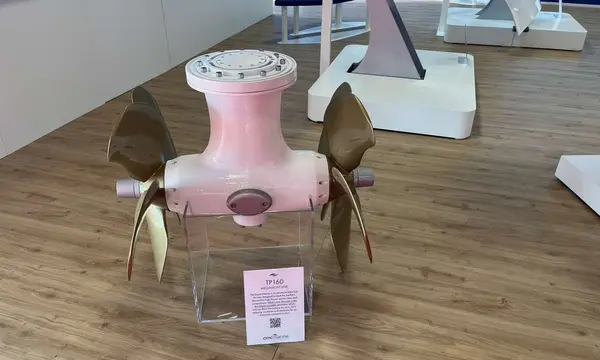
CMC Marine has provided new technical detail on the energy-management architecture behind its electric stabilisers and thrusters, explaining how capacitor storage can reduce abrupt …
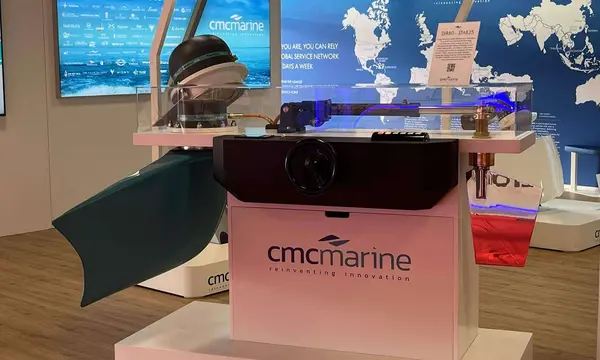
CMC Marine is showing new LA fins, Waveless STAB 50/60 units, five-blade Dualis Electra propellers and a new NMEA 2000 touchscreen at Monaco.
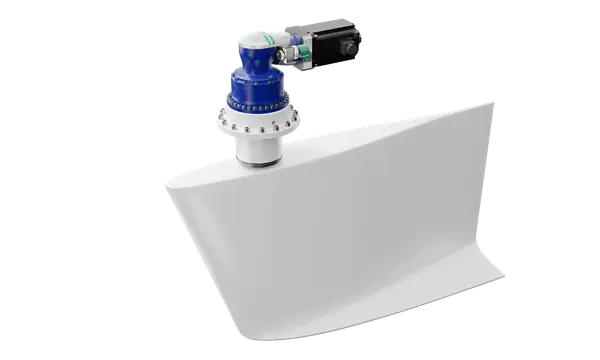
CMC Marine says its Energy Recovery System can recover energy from electric stabiliser fins and reduce stabiliser power consumption by up to 50%.
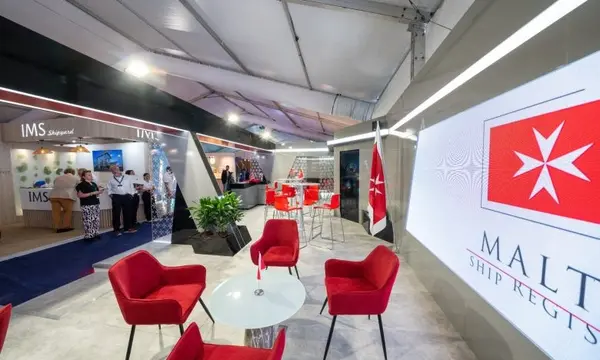
Yachting Malta took part in the 35th Monaco Yacht Show alongside Transport Malta, the Malta Ship Registry and the Super Yacht Industry Network Malta, …
Superyacht Guide
Continue into the wider Superyacht Guide.
Business opportunities · Superyacht Guide
Companies serving the superyacht market can discuss clearly identified advertising, sponsorship and business-profile opportunities. Commercial activity remains separate from independent editorial coverage.