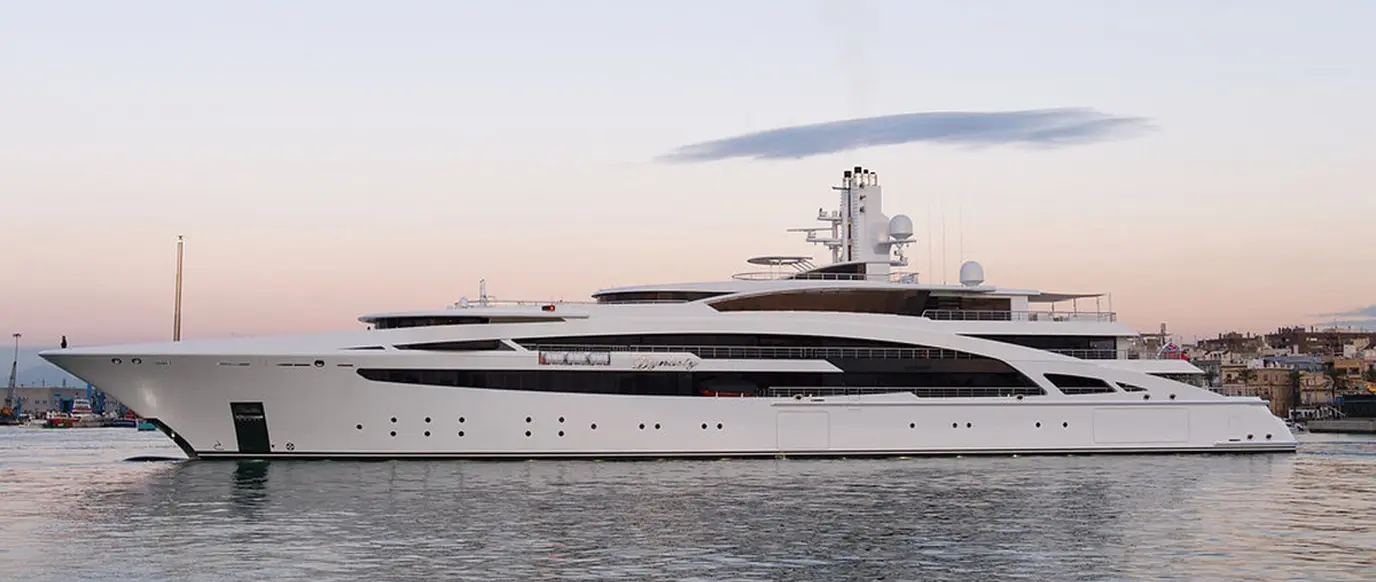
Cramm Details Flush-Retracting Navigation-Light Masts for Large-Yacht Deck Design
By Superyacht Guide Newsroom · Edited by Superyacht Guide Newsroom
Cramm Yachting Systems retractable telescopic navigation light mast official manufacturer product photograph
Cramm Yachting Systems details stainless-steel telescopic navigation-light masts for superyachts, with flush deck retraction and managed cables at METSTRADE 2026.
Dutch supplier Cramm Yachting Systems has highlighted its telescopic navigation-light mast in the official METSTRADE 2026 Superyacht Zone catalogue. The product description identifies stainless-steel construction, customisable height and a mechanism that permits the mast to retract flush with the deck. It also refers to a cable drum arranged to manage the cables serving the navigation lights. Such an installation may appear modest next to the visible scale of a luxury yacht, but its design affects legal lighting arrangements, aesthetics, deck safety and maintenance. The manufacturer's reference to COLREG requirements should be read as a design consideration, not a guarantee that every customer-specified arrangement complies with the applicable rules. This is a technical examination of an established product offering displayed to the 2026 marine industry, not an announcement of a newly launched device.
Large motor yachts frequently have substantial superstructures, decorative masts, cranes, radar scanners and removable fittings. Those features can obstruct an otherwise straightforward position for navigational lighting, especially when the designer seeks clean deck lines and discreet equipment. The International Regulations for Preventing Collisions at Sea establish requirements for navigation lights, including their positioning and visibility in appropriate circumstances. A retractable mast may give naval architects more flexibility over where a light can be placed, while potentially allowing the structure to disappear when the yacht is stationary. But flexibility does not remove the requirement to use the correct lights in the correct positions whenever the vessel is operating. A design team must establish what its chosen configuration means for every relevant operating state before treating a retractable mast as a styling feature.
Cramm's METSTRADE description states that its telescopic light masts are manufactured in stainless steel and can be tailored in size and height. The material is familiar across high-end yacht hardware because it can offer corrosion resistance and a refined appearance when correctly specified and maintained. Nevertheless, marine-grade stainless steel can suffer crevice corrosion and surface deterioration in challenging conditions, particularly where moisture is trapped inside mechanisms. A custom height also brings mechanical consequences: the mast must remain sufficiently stable at full extension and accommodate the specified light or lighting assembly. The shipyard should request dimensioned drawings, mass information, mounting loads and a maintenance schedule rather than approving a particular configuration from an exhibition photograph. A taller mast may improve clearance but also affect weight, access and wind loading.
The option to retract a navigation-light mast flush with the deck can help preserve the visual quality of a sun deck or another carefully designed external area when the mast is not required. Yet the ability to hide equipment introduces a need for proper stowage design. The supporting structure must make room for the retracted mechanism and the associated cables, while allowing drainage and inspection. A flush cover may be exposed to foot traffic, water and cleaning operations, so it needs to fit reliably and remain identifiable to crew during use. The yacht should establish whether guests can occupy the surrounding area and what restrictions apply when the mast is extending or retracting. The naval architect must also consider any potential compromise to structural strength from the deck opening and ensure that necessary barriers or local safety measures are incorporated.
The product page states that mast dimensions can be adapted according to COLREG, a useful indication that the manufacturer understands the regulatory context of navigation-light positioning. It does not, however, supply a universal certificate of compliance for every yacht that orders a customised mast. The correct arrangement depends on vessel type, size and the full lighting plan. Naval architects should demonstrate the required heights, angles of visibility and separation between lights for the relevant vessel configuration. A yard may also need to account for shadows cast by existing structures and other fittings. The question is not only whether the mast can extend to a specified distance above deck, but whether the installed light meets the appropriate visibility and performance requirements in the intended position. Those details must be assessed for the completed vessel.
Cramm specifically identifies a cable drum used to roll up navigation-light cables. Cable management is important in any telescoping mechanism because repeated movement can place stress on conductors, connectors and insulation if they are not guided correctly. The product's cable arrangement is therefore relevant to long-term reliability, but the exhibition listing does not give a detailed mechanism drawing or expected cycle life. A sensible design review should examine minimum bend radii, strain relief and the separation of moving electrical parts from areas exposed to damage. The electrical designer should also verify the suitability of the cable and connections for the marine environment and any necessary monitoring of light operation. A mast that moves smoothly during commissioning may still develop cable fatigue after years of frequent deployment unless the installation and maintenance are well controlled.
Retractable navigation equipment introduces a human-factors question: how does the bridge team know that the mast is fully extended and its light is operating correctly? If a vessel can be moved while the mast is stowed, the design must prevent an unsafe or noncompliant departure. An operating arrangement might require status indication or procedural checks, but the METSTRADE page does not specify the exact automation or interlocks offered for Cramm's product. These features should be established during procurement and integrated into the yacht's navigation procedures. Crew need to understand who is authorised to operate the equipment and whether it should be deployed before other deck activities begin. An officer should not have to infer a correct position from a camera image or a vague light on an unrelated control panel. Clear indications and a reliable pre-departure checklist are essential.
A telescopic structure can move with sufficient force to present a hazard if crew or guests stand too close to it during deployment. Deck designers should therefore identify the swept area and any places where fingers, clothing or loose equipment might become trapped. The actuator type and safety controls should be reviewed against the chosen system specification. If the mast is located near a route used by guests, the operator must have a clear view or an appropriate means of ensuring that the space is free before movement. Crew should also know how to secure or recover the mast following a loss of power or mechanical problem. The manufacturer's catalogue describes custom geometry and flush retraction; it does not eliminate the need for ship-specific risk assessment, proper signage where necessary and competent operational training.
A custom mast is easiest to integrate while the yacht's steel or aluminium structure and technical spaces remain under design. The project team can reserve a suitable installation envelope and coordinate lighting placement with radar, communications antennas and other deck systems. Designers must also plan safe access to service the mast mechanism after the surrounding structure is completed. Delaying this choice until a late styling review can lead to compromises: an oversized housing may interfere with nearby accommodation or service routes, while a restricted mast position may reduce the light's usable visibility. The equipment schedule should identify who is responsible for supplying the light itself, the mast, control components and the necessary wiring. A single defined interface between the supplier and shipyard can help avoid disputes or duplicated work during commissioning.
A refit may aim to reduce the visual impact of a permanent mast or improve the position of navigation lights following other deck alterations. In those circumstances the technical team should first confirm that the existing vessel has sufficient space for a telescoping unit and that structural modifications are feasible. If a mast is fitted through an established deck, drainage, coatings, watertightness and local reinforcement require particular care. The yacht's existing cable routes may not support the movement or the electrical load of the proposed system. Any change to light placement should also trigger a fresh review of compliance rather than assuming the former arrangement remains acceptable. A successful retrofit is therefore more than replacing an old fitting with a more elegant one; it involves a coordinated redesign of the relevant deck and electrical interfaces.
Exposed mechanical equipment needs maintenance even when its operating cycles are limited. The crew should follow the manufacturer's instructions for cleaning, lubrication, electrical inspection and mechanical checks. Salt deposits, trapped moisture and degraded seals can affect a mast that remains retracted for long periods. Equally, equipment operated frequently may need attention to bearings, guides and cable-management components. The maintenance log should record faults, abnormal noises or changes in the time needed to reach full extension. Owners should ask the supplier about spare parts, specialist service support and the ability to repair the system without major damage to adjacent deck finishes. Clear access provisions at construction stage can significantly reduce future maintenance costs. The mast should be treated as operational navigation equipment, not as a piece of decorative stainless steel.
Commissioning should establish that the chosen mast reaches its intended height, remains secure and aligns with the approved lighting design. The electrical team should check cable behaviour through its full movement and confirm that the lights perform correctly in the deployed condition. Where the yacht has monitoring or interlocks, their fault behaviour should be tested and documented. Operators should rehearse normal deployment and recovery and understand what to do if movement stops unexpectedly. Practical tests must reflect the installed vessel, including nearby structures that might obstruct lights or the movement envelope. A drawing approved before construction is useful evidence, but actual operation and visibility must be examined after installation. The final handover should include manuals, drawings, maintenance schedules and clear procedures for bridge and deck personnel.
The METSTRADE 2026 listing illustrates how detail engineering can support a clean exterior without making the yacht less practical to operate. Cramm describes a stainless-steel mast, tailored height, flush retraction and managed navigation-light cabling. Those features can help designers reconcile a yacht's visual character with the need for functional bridge equipment. Their value depends on the final vessel's lighting plan, safe operation and serviceability. Owners and captains should therefore ask for project-specific design evidence and approval rather than relying on generic claims. The broader lesson from Amsterdam is that an elegant superyacht often depends on carefully engineered solutions for components that are almost invisible when the vessel is at rest, but absolutely necessary when it puts to sea.
Primary source: Cramm Yachting Systems B.V. — official METSTRADE 2026 telescopic light mast product listing.
Manufacturer photograph: Cramm Yachting Systems telescopic navigation light mast, official METSTRADE product gallery. Official source.
Explore
Go deeper into the yachts, companies, events and destinations directly connected to this article.
Continue reading
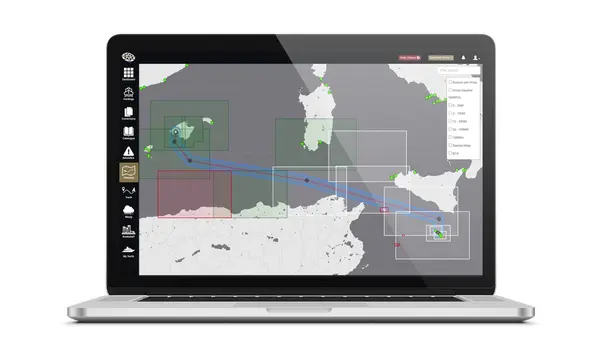
dsnm presents Compass software for superyacht chart corrections, passage planning, i4 Insight C-Map overlays and digital cruising publications at METSTRADE 2026.
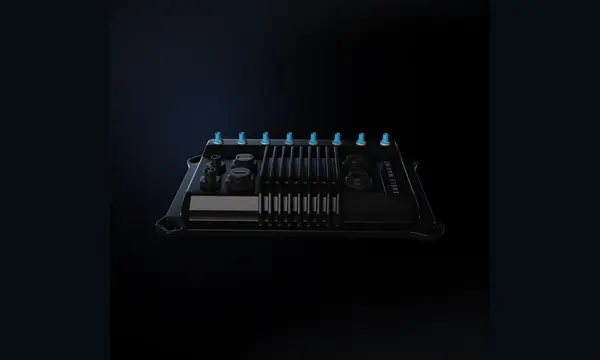
Eagle Marine presents a modular ADAS platform combining cameras, onboard computing and third-party applications for yacht navigation and docking assistance.

Superyacht navigation specialist dsnm has acquired sister company NavigatX, bringing navigation management, passage-planning software and bridge refit support together.

Avikus USA executive Sangwon Shin is discussing how sensors, steering, propulsion and AI need to operate as one system for future assisted superyacht navigation.
Superyacht Guide
Continue into the wider Superyacht Guide.
Business opportunities · Superyacht Guide
Companies serving the superyacht market can discuss clearly identified advertising, sponsorship and business-profile opportunities. Commercial activity remains separate from independent editorial coverage.
