
Crestron Explains Why Superyacht Shading Needs Marine-Specific Engineering
By Stephen Yardley · Edited by Stephen Yardley
Crestron Marine explains how guided motorised shading, lighting control and yacht automation affect comfort, privacy and serviceability aboard large yachts.
Crestron Marine has outlined the engineering behind advanced shading and lighting control systems for large yachts, drawing on solutions developed for moving structures and unusually demanding hospitality environments. In a September 2026 specialist interview, Daniel Kerkhof, director of Crestron Marine, discussed how motorised blinds, guidance systems and integrated control interfaces can make cabins dark, quiet and comfortable even when a yacht is cruising in intense daylight. The subject may sound modest beside hybrid propulsion or spectacular beach clubs, but it affects the way guests experience nearly every room.
On a yacht, a blind is not simply decorative fabric hung beside a residential window. The vessel heels, pitches, vibrates and changes latitude, while high-performance glazing admits different levels of heat and light throughout the day. The control system must also remain accessible to crew when a motor, switch or guide rail needs servicing. A reliable shading installation is therefore an engineered product, not merely an interior styling accessory.
Traditional residential shades often rely on gravity to hang straight, with rollers and side channels used only where required by the design. A yacht may heel or roll sufficiently for an unsupported blind to swing away from a window, strike adjacent joinery or snag on a fitting. Crestron describes guidance arrangements designed to retain the blind within its intended travel path while permitting smooth operation across openings that are often wider and more unusually shaped than household windows.
Mechanical design must account for changes in fabric tension, exposure to salt-laden air and the relationship between the roller, surrounding interior panels and the window geometry. Noise from a drive unit may be particularly noticeable in a guest cabin at night. Installers need to test the movement under realistic vessel attitudes and verify that maintenance can occur without dismantling substantial parts of the luxury interior.
Owners may want a completely dark environment for sleeping, films or privacy, then bright natural light during a passage. Achieving both outcomes requires different fabrics, careful edge detailing and control over light leaks around windows. A shade can lower the level of sunlight entering a room, but its effect on overall heat gain depends on the glazing and the position of the reflective or insulating layers. Exterior and interior shading are not thermally equivalent.
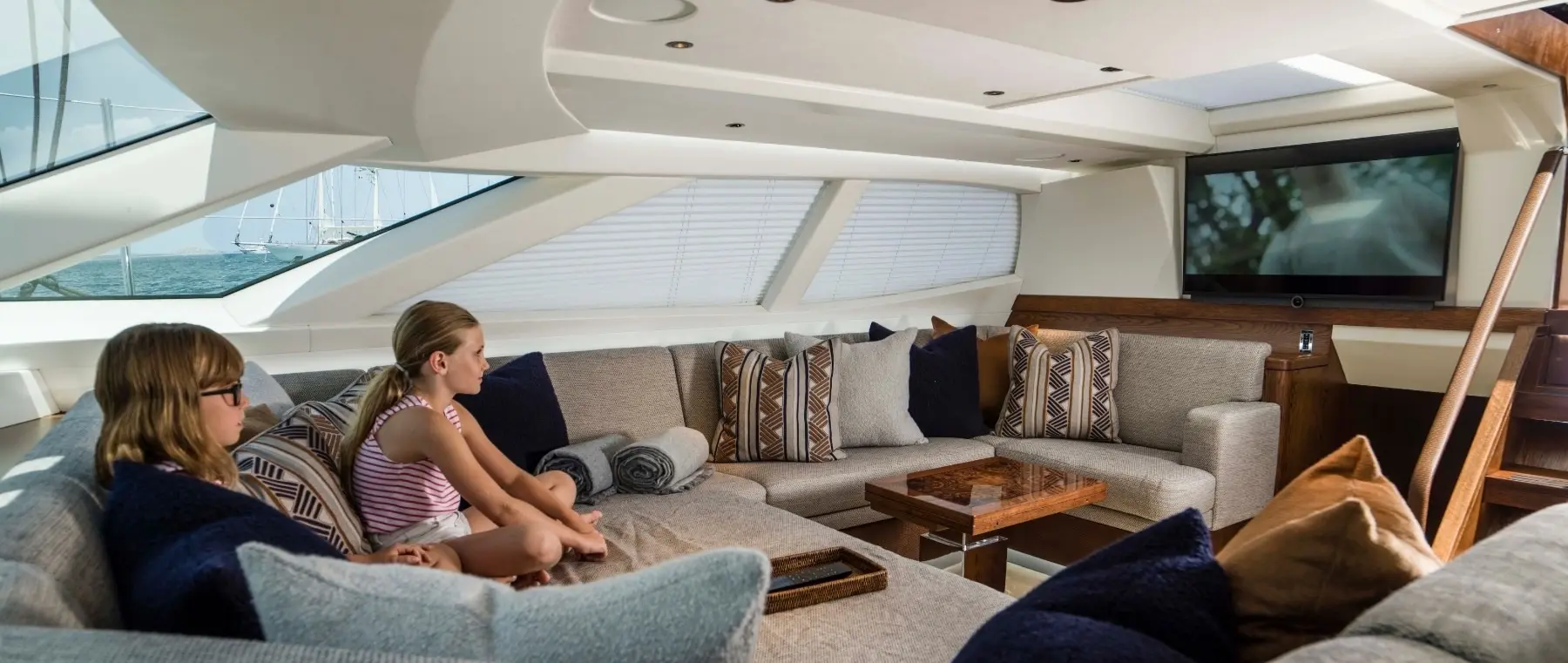
The design team must consider guest habits, not only technical performance. A cabin used by a family with children may require intuitive one-touch controls and safe operation around furniture, while a formal lounge may benefit from scenes that coordinate blinds and lighting for evening entertaining. A successful installation makes these functions readily available without forcing guests to navigate complicated menus.
Crestron's broader marine offering links shading, lighting, audiovisual equipment and other guest comfort functions through centralised controls and connected interfaces. On a large yacht, equipment from different manufacturers may need to respond to a single scene, such as lowering blinds and adjusting lights before a film. Proper integration depends on agreed interfaces, the correct cabling, commissioning and documentation rather than simply displaying all devices on one touchscreen.
A guest-facing interface should remain simple even when engineering behind it is complex. Captains and technical crew need separate access to diagnostics, fault logs and the ability to isolate a malfunctioning device. Systems should fail predictably if a network connection is interrupted, and essential manual controls must be provided where practical. Owners should ask whether the configuration can be maintained after a software update or a change of shipboard IT contractor.
Large windows are among the architectural features that distinguish modern superyachts, yet they can make private rooms visible from a neighbouring yacht, marina promenade or elevated shoreline. Shading can create a discreet environment at anchor without closing curtains throughout the day. On yachts with terraces and extensively glazed owner decks, the relationship between daylight, reflection and sightlines is particularly important.
Crew procedures should ensure that private areas can be secured when the vessel is alongside and when maintenance contractors are present. Automated schedules may be convenient, but they should not accidentally open a blind while a guest expects privacy. Control permissions and reliable feedback matter as much as the fabric itself. An owner should understand who can operate these systems remotely and how access is revoked when personnel change.
Yacht interiors frequently use highly customised fabrics and concealed mechanisms. If a motor, guide rail or fabric later fails, sourcing the exact original part may be difficult, particularly when the boat is far from its construction yard. Procurement should therefore include spare motors, control equipment where appropriate, technical drawings, fabric specifications and a clear list of compatible alternatives. Maintaining this information reduces the impact of failures during a cruising season.
Shades are also exposed to sunlight, humidity and cleaning products that can degrade fabrics over time. Periodic checks should look for uneven tension, worn moving components, noise, trapped debris and signs of moisture. A captain need not understand every internal component, but the engineering team should know how to disable a faulty motor safely and request assistance from an authorised specialist.
Crestron is a long-established automation and control-technology company serving homes, commercial buildings and marine installations. Its marine business adapts technical platforms to the practical needs of shipyards, designers, owners and specialist audiovisual contractors. Such projects often begin when the interior is still being developed, because motor pockets, rails, service panels and cable routes must be included before joinery construction becomes too advanced.
Daniel Kerkhof's explanation highlights why yacht-specific design knowledge matters. A sophisticated residential control system may have useful features, but its components and installation need to accommodate vessel movement, limited equipment access and the way professional crew actually work. The shipyard, interior designer, electrical integrator and supplier must agree ownership of drawings, test procedures and eventual service responsibilities.
The interview illustrates a wider trend in superyacht interiors: apparently small technical systems can affect satisfaction more profoundly than a dramatic architectural gesture. Guests remember whether a room is quiet at night, whether daylight can be controlled without effort and whether controls remain reliable during a long voyage. These outcomes emerge from mechanical engineering, interface design, fabric choice and careful installation rather than one headline feature.
For owners commissioning new yachts or planning an interior refit, shading deserves attention early in the project. A clear specification should cover blackout performance, movement safety, noise, maintenance access, privacy and how operation fits within the wider automation system. Crestron's marine solutions are one possible route; the real standard is a tested, maintainable installation that makes technology disappear into the quality of life aboard.
Explore
Go deeper into the yachts, companies, events and destinations directly connected to this article.
Continue reading
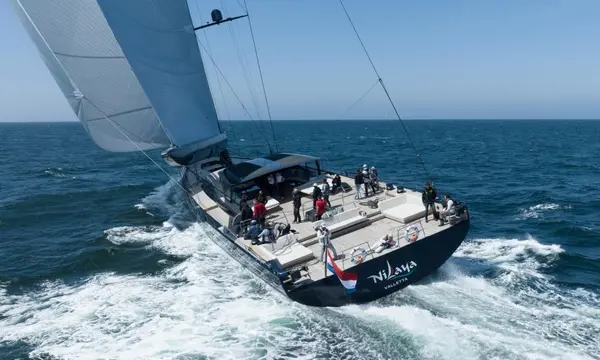
Royal Huisman has detailed the lightweight construction and engineering methods behind 47-metre performance cruiser Nilaya.
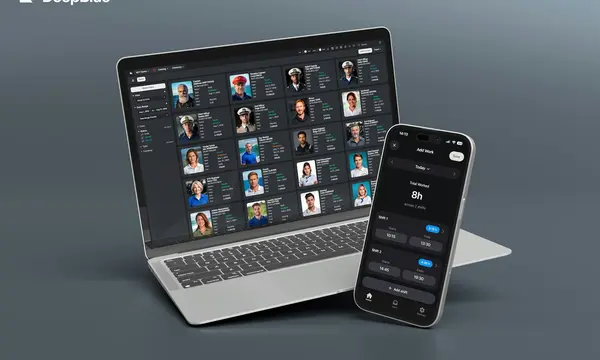
DeepBlue has overhauled its Crewing Package so contracts, crew planning, payroll, timesheets and Hours of Rest work from a connected crew record.

Acquera Group outlines how its 25-country yacht agency network, Wilsonhalligan recruitment operation and digital tools are being integrated around crew needs.
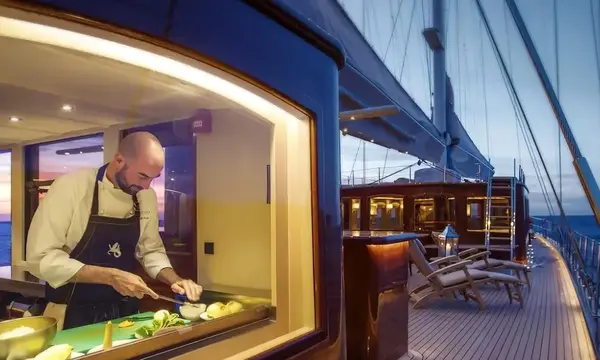
NAVIGO and ISYL ITS Academy will run a Yacht Chef Master Programme in Viareggio on 1–4 December, covering provisioning, guest service and operational galley …
Superyacht Guide
Continue into the wider Superyacht Guide.
Business opportunities · Superyacht Guide
Companies serving the superyacht market can discuss clearly identified advertising, sponsorship and business-profile opportunities. Commercial activity remains separate from independent editorial coverage.