
ACREW Crew Awards 2026 Set for Fort Lauderdale with 14 Categories
The 2026 ACREW Crew Awards are scheduled in Fort Lauderdale on 25 October, recognising superyacht captains and crew across 14 professional categories.
With METSTRADE one week away, the Crew Voices programme offers captains and department heads a channel into discussions on training, leadership and onboard professional life.
Industry programme preview, 10 November 2026. The scheduled event and eligibility information below come from official METSTRADE communications; discussion of management practices is independent editorial analysis, not a claim about outcomes of a workshop that has not yet taken place.
As METSTRADE prepares to open in Amsterdam on 17 November, one of its most consequential superyacht discussions concerns neither a new hull nor a piece of equipment. Organisers have scheduled a Crew Voices interactive workshop for 18 November devoted to professional training, leadership, mentoring and retaining experienced people aboard yachts. The event sits within an enlarged programme for the superyacht sector and gives captains and senior crew a platform to question how the industry prepares the professionals on whom safe operation and the guest experience depend.
The timing is useful. Shipyards, equipment manufacturers, yacht managers and trade associations can spend a week discussing increasingly sophisticated technology, but owners only realise its benefits when competent, rested people can operate it. METSTRADE describes the workshop as a forum intended to gather direct feedback, not an occasion at which new mandatory training rules will be announced. The distinction matters to a newsroom: the confirmed development is the scheduled industry discussion, and any policy changes or measurable outcomes remain to be established after the event.
The organiser identifies 18 November 2026 for the session named The Future of Professional Training: A Crew Voices Interactive Workshop. Its official programme announcement says the themes are the changing education landscape, leadership development, onboard mentoring and crew retention. That makes this more specific than another general debate about recruitment. Each topic concerns the way a career develops after the first certificate: how people learn aboard, who supervises them, whether promotion is supported and what persuades an experienced officer or engineer to remain in the industry.
METSTRADE itself runs from 17 to 19 November at RAI Amsterdam, while The Superyacht Forum is scheduled alongside the exhibition. Organisers have also expanded the Superyacht Zone and connected the industry programme more closely to established associations and specialist suppliers. They have not promised that every captain attending the exhibition will automatically participate in the Crew Voices programme. Delegates should consult the current event schedule for the exact session arrangements and access conditions, as programme pages can change before the doors open.
A superintendent can review an equipment specification, a yard can document an installation and a training provider can set a syllabus. What they cannot fully reproduce from an office is the working environment created by a busy guest programme, a complex vessel and a small team that may be living together for months. The deck officer who handles a night approach, the engineer who responds to an alarm and the interior manager who coordinates service each see different aspects of the same yacht. Their practical observations can reveal gaps between written procedures and what is realistic aboard.
This is the reason a workshop led by crew perspectives deserves coverage as an operational story. Effective training is not simply a catalogue of courses purchased by the owner. It includes experience under supervision, scenario practice, careful handovers and the confidence to report a problem before it becomes an incident. Captains also need to distinguish a junior crewmember who has completed a course from someone who has demonstrated the same competence repeatedly in the circumstances that the particular vessel will face.
The organiser announced the Crew Voices scheme in June with the ambition of involving 100 captains and senior crew members in the combined Superyacht Forum and METSTRADE programme. The published invitation referred to captains and heads of department on motor yachts of 50 metres and above or sailing yachts of 30 metres and above, with at least five years of onboard experience. It identified a range of disciplines, including deck, engineering, interior and purser roles. These conditions made the initiative explicitly relevant to the larger-yacht fleet, not a generic leisure-boat seminar.
Those details describe the original application scheme. They should not be mistaken for confirmation that places remain available in November, or that every initial benefit still applies to a new applicant. The June announcement outlined tickets, selected access and travel assistance for successful participants, but the most useful current question is whether captains and department heads already involved can bring specific operational examples to the table. Anecdote alone cannot set policy; repeated evidence from different vessels and departments has a better chance of identifying a widespread weakness.
The basic qualifications required for professional seafarers provide a foundation for safety and an internationally recognised framework. But a 60-metre motor yacht, a high-performance sailing yacht and a vessel with an unusually sophisticated hybrid or automation system may demand different familiarisation and operating practices. A successful workshop should therefore separate statutory competence, additional yacht-specific knowledge and leadership skills. Confusing those categories can lead a manager to believe that compliance paperwork proves the entire team is ready for every realistic operating condition.
Onboard mentoring deserves particular scrutiny. Some yachts have a clear progression plan, documented skill assessments and senior officers who are given time to coach. Others may rely on learning informally during an already demanding schedule. That difference influences retention and safety. Good mentoring is not merely a generous personal favour from a senior crewmember. It requires a time allowance, a shared understanding of expected competence, space for questions and a way to establish when somebody is genuinely ready to carry responsibility without supervision.
Recruitment is often treated as the headline staffing challenge, yet it can be equally disruptive to lose a competent chief officer, engineer, purser or interior manager halfway through an operating season. The cost is not limited to another employment-agency fee. New colleagues need familiarisation with the yacht, its equipment, its safety culture and the preferences of owners and returning guests. Work routines are interrupted, and the remaining crew may shoulder extra duties during the transition. The organiser has rightly included retention in its planned discussion.
Retention cannot be addressed by salary alone. Predictable rotation, fair treatment, transparent responsibility, development opportunities and confidence in the chain of command are all questions that operators can examine. Different yachts will have different resources and guest schedules, so a uniform prescription may not fit. A useful outcome would be a way to describe what successful operators measure and how management teams can distinguish a temporary staffing fluctuation from a persistent problem in their onboard working arrangements.
In a separate article published by METSTRADE in June, the organiser recounted concerns that have been raised by yacht crew about excessive working hours, isolation, harassment and poor working conditions. The article referred to the International Seafarers’ Welfare and Assistance Network and to discussion of the difficulty crew may experience in raising an issue while living and working aboard. Those are serious allegations about sector-wide experiences, not a finding about a named ship, captain or management company. They deserve careful treatment rather than the casual suggestion that all yachts operate alike.
For an owner, safety culture and professional welfare are connected. A junior crewmember must be able to flag fatigue, harassment or a technical concern without fearing that speaking up will automatically end a career. Managers can examine grievance procedures, independent contacts, rest practices and how complaints are assessed. A workshop cannot solve those problems in one afternoon, but it can help give people who experience the working environment a greater voice in the systems intended to protect them.
METSTRADE will bring many equipment manufacturers together with the people who maintain and operate their products. For a superyacht crew programme, that creates a practical opportunity to ask whether new technology arrives with understandable manuals, relevant training, realistic troubleshooting procedures and a plan for software or component support during long voyages. A device that simplifies an installation drawing may nevertheless increase the number of alerts, passwords or unfamiliar operating modes confronting the bridge and engineering teams.
The challenge is not to reject automation. It is to ensure that operators understand how a system degrades, which functions remain available when communications fail and how different manufacturers’ equipment interacts. Captains and chief engineers can bring examples of successful familiarisation as well as shortcomings. Suppliers should be prepared to hear that a clear operating procedure or a better training interface may be as valuable as another product feature. Such conclusions would be analysis, not promises by this year’s event organisers.
A captain or head of department considering participation can make the discussion more concrete by preparing one or two examples rather than a broad list of frustrations. The strongest example identifies a real task, the existing training or procedure, the point at which it failed to support the team and a plausible improvement. Sensitive information about owners, colleagues or incidents should be handled responsibly and only shared with appropriate permission. Even anonymised accounts can sometimes identify a vessel or individual in a small professional community.
The same discipline applies to managers who attend from ashore. Ask what a yacht does when a senior employee leaves unexpectedly, how bridge and engineering familiarisation are recorded, whether a mentor has protected time and which feedback travels from crew to the vessel designer or equipment supplier. None of these questions requires inventing an industry-wide problem. They help move a discussion from general agreement that training matters towards practices which owners and operators can evaluate after returning from Amsterdam.
For Superyacht Guide, the important follow-up will be whether Crew Voices produces identifiable recommendations, further joint work or changes in the way training and crew welfare are discussed across the industry. Attendance figures and positive statements from a conference stage would be useful context, but are not in themselves evidence that conditions aboard yachts improved. The meaningful tests will involve published proposals, responsible organisations, timetables and subsequent evidence that the proposals have been used.
With one week to go, the confirmed news is that crew development has a prominent place in the METSTRADE superyacht programme on 18 November. It is an opportunity for the people who operate large yachts to influence a conversation that has too often been led by products, specifications and commercial relationships. Owners, managers and suppliers can follow that conversation with a practical question: what would make an experienced professional safer, better supported and more likely to build a long career aboard?
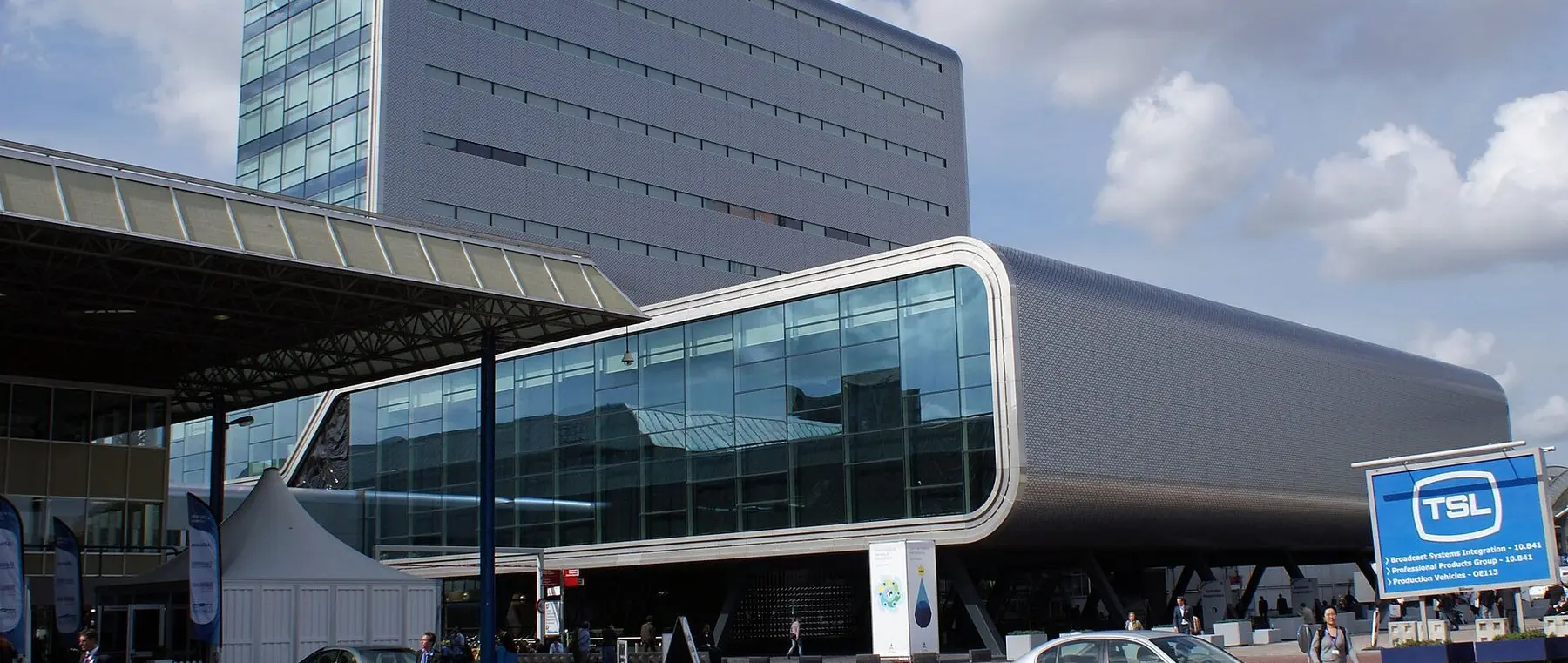
Lead image: An archival 2010 photograph of the RAI Amsterdam exhibition venue by Adam Kliczek, under CC BY-SA 4.0. Wikimedia Commons photograph. The photograph shows the venue, not a 2026 Crew Voices session; reduced in size for the web.
Primary sources: Programme; Crewvoices; Workforce; Registration; Show Programme. Session, speaker and entry arrangements should be rechecked with the organiser before attendance.
Continue reading
The 2026 ACREW Crew Awards are scheduled in Fort Lauderdale on 25 October, recognising superyacht captains and crew across 14 professional categories.
Fraser's 2026 Monaco captains' awards recognised crews aboard VIRTUOSITY, NAFISA, HAZE 2, O'PTASIA and K2 for environmental, safety and charter achievements.

CrewRenew starts a South Florida-focused web service connecting verified yacht crew with local experiences and discounts for days away from the vessel.
NAVIGO and ISYL ITS Academy will run a Yacht Chef Master Programme in Viareggio on 1–4 December, covering provisioning, guest service and operational galley …
Superyacht Guide
Continue into the wider Superyacht Guide.
Business opportunities · Superyacht Guide
Companies serving the superyacht market can discuss clearly identified advertising, sponsorship and business-profile opportunities. Commercial activity remains separate from independent editorial coverage.