Dessal Brings DessaLine Maxi-Refit Watermaker Upgrade to METSTRADE 2026
By Stephen Yardley · Edited by Stephen Yardley
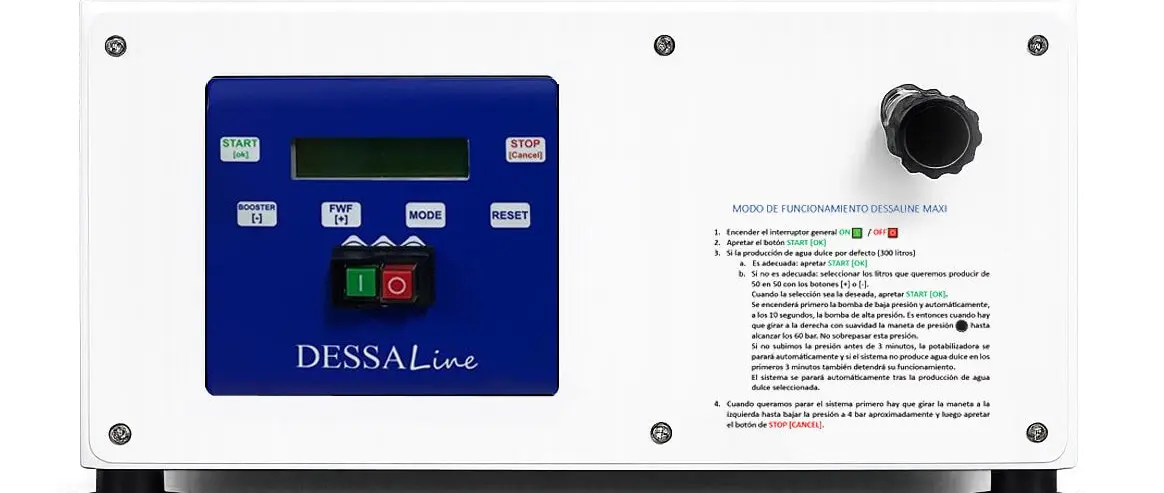
Dessal Marine Tech will bring its DessaLine Maxi-Refit desalination control module to METSTRADE 2026, emphasising reuse of serviceable components and efficient rinse cycles.
Spanish water-treatment specialist Dessal Marine Tech has confirmed that it will exhibit at METSTRADE in Amsterdam from 17 to 19 November 2026, presenting marine desalination systems and a modular solution intended for upgrading existing installations. The company will be located in the Spanish Pavilion at stand 01.275. Announced on 9 October, the participation is particularly relevant to yacht refit engineers who want to modernise watermakers without necessarily replacing every pump, membrane and pressure vessel.
The firm's newly highlighted DessaLine Maxi-Refit was introduced earlier in 2026, so the Amsterdam announcement is not a claim that a completely new system was invented in October. It gives yachtbuilders, service yards and distributors an opportunity to examine the existing product range and discuss how the modular approach could apply to individual vessels. The manufacturer says reducing unnecessary replacement is part of the idea behind the system.
Superyachts use fresh water for showers, galleys, laundry, deck cleaning and technical tasks, sometimes at volumes far beyond those aboard a small sailing yacht. Even with generous tankage, the ability to make water from the sea can extend the time between visits to facilities ashore. Reverse-osmosis equipment makes this possible by driving pretreated seawater through specialised membranes at high pressure, separating a fresh-water stream from concentrated brine.
However, a watermaker is not simply an appliance that can be sized according to the number of guest beds. Engineers need to consider expected daily demand, peak consumption, water-tank volume, operating hours, seasonal seawater conditions and the integration of filters, pumps and monitoring controls. Reliable operation also depends on regular inspection and cleaning, particularly when the yacht changes cruising areas or spends long periods idle.
The manufacturer's July technical introduction described DessaLine Maxi-Refit as a semi-automatic modular unit with three potential uses. It may form part of a new modular watermaker, add electronic controls to a manually operated plant, or replace ageing control equipment on an existing installation. The emphasis is on retaining components that remain suitable, such as pumps, membranes and membrane housings, when a competent assessment finds they can continue operating safely.
That retrofit concept can be useful because a perfectly serviceable pressure assembly may become difficult to operate when its electronics are obsolete. Replacing the entire watermaker could increase materials consumption and require further changes to wiring or machinery foundations. A control upgrade can be less disruptive in some cases, but installers still need to establish compatibility, operating pressure, electrical protection and the remaining service life of the parts being kept.
Dessal's published information describes compact modular configurations covering approximately 40 to 380 litres of water per hour, depending on the plant arrangement. A separate high-pressure pump can make it easier to fit equipment into machinery spaces with awkward access. The company's July explanation also identifies compatibility possibilities involving older three-phase pump assemblies, subject to the actual technical specification and assessment.
These figures should not be mistaken for a confirmed output of every retrofitted system or a guarantee of production under all seawater conditions. Membrane performance can vary with temperature, salinity, pressure and the condition of the feedwater. An engineer proposing a retrofit should verify the pump curve, membrane dimensions, suitable seals and electrical load before accepting any capacity estimate.
The October release highlights an advanced membrane-rinsing method intended to optimise the use of fresh water during flushing cycles. Membrane rinse procedures help reduce the accumulation of salts and other contaminants when a reverse-osmosis system is stopped, but they can consume valuable potable water from the onboard tanks. The builder says its new approach is intended to reduce avoidable use during those operations.
The release does not provide independently verified litres-per-flush savings or a standard reduction percentage. Such claims would require comparable tests under defined conditions. What matters to a chief engineer is whether the rinsing logic works with the selected membranes, the available fresh-water pressure and the system's shutdown schedule, while preserving the manufacturer's maintenance requirements.
Electronic controls can make a watermaker easier to supervise by displaying operating conditions and automating parts of the startup or shutdown process. They do not remove the need for suitable pretreatment, safe pressure arrangements or reliable product-water monitoring. A system should divert water that fails the required quality threshold rather than send it automatically to guest and crew tanks, and all wetted materials must be appropriate for their intended use.
Yacht engineers should also consider the hazards of stagnant water and bacterial growth in storage and distribution systems. Desalination is only one stage in a broader freshwater-management plan that may include disinfection, tank inspection, periodic sampling and careful separation from other onboard water circuits. A control refit therefore belongs within the vessel's overall maintenance programme, not as an isolated cosmetic electronics upgrade.
Before reusing a pump or membrane assembly, a yard should review maintenance records, corrosion, hose ratings, mechanical support and the availability of spares. The electrical installation may need upgraded protection, cable routing or safe isolation arrangements, while any new control interface should remain accessible to the crew. Commissioning must verify pressure limits, leak tightness, rinse cycles, water quality and the plant's ability to recover safely from faults.
Large yachts can have multiple watermakers for redundancy, allowing one plant to operate while another is serviced. That arrangement creates additional control and distribution questions when only part of the installation is upgraded. The result should be documented with revised drawings and operating instructions so that future crews can understand what components are original and what the refit has changed.
Dessal Marine Tech operates from Vilanova i la Geltrú near Barcelona, close to an important Mediterranean superyacht refit and marina cluster. The company develops DessaLine watermakers and distributes or services marine water-treatment products from several established manufacturers. Its Amsterdam stand gives potential partners an opportunity to discuss replacement equipment, technical support and the suitability of the Maxi-Refit concept for vessels already in service.
METSTRADE is a commercial exhibition rather than a live operational trial. Buyers should ask to see the relevant technical documentation, commissioning requirements, product warranty and examples of compatible equipment before planning a project. The announced stand and dates are confirmed; improvements in water consumption or lifetime costs need to be assessed for each installation rather than presumed from the presentation.
A refit that retains suitable equipment can avoid waste and may reduce cost, but the environmental benefit is not automatic. Engineers must consider the remaining life of the retained components, energy use after modification, maintenance demands and any replacement likely to be required soon afterwards. Good documentation can help the owner understand the trade-off rather than simply accept that a reused component is always preferable to a new one.
The immediate October story is Dessal's plan to present its marine water-treatment solutions and retrofit module in Amsterdam. For superyacht operators, the development draws attention to the practical question of how long established equipment can be supported and improved. Reliable potable water remains a core onboard system, and any upgrade has to protect that reliability while making sensible use of resources.
Explore
Go deeper into the yachts, companies, events and destinations directly connected to this article.
Continue reading
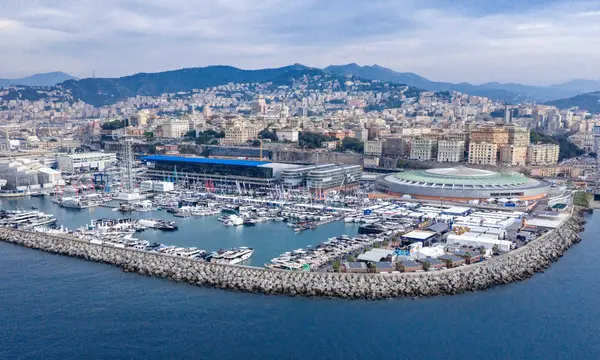
FORUM26 at the Genoa International Boat Show has opened with anti-money-laundering, tax, customs, cybersecurity and technology among the main industry themes.

Monaco's 2026 Smart & Sustainable Marina Rendezvous will focus on AI, cybersecurity, investment, biodiversity and decarbonising the existing yacht fleet.
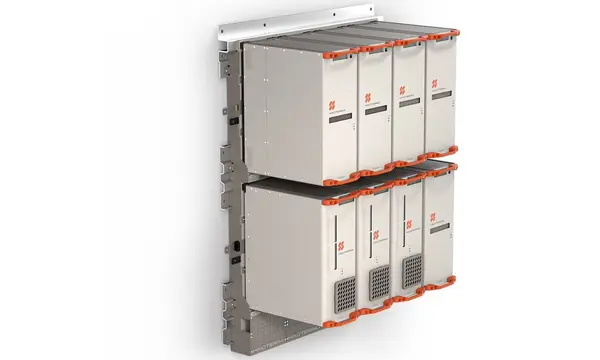
HikoTerra adds distributors and technical partners for the modular H⁴ Hybrid Power System, with configurations allowing up to 30kW of inversion and 96kWh of …
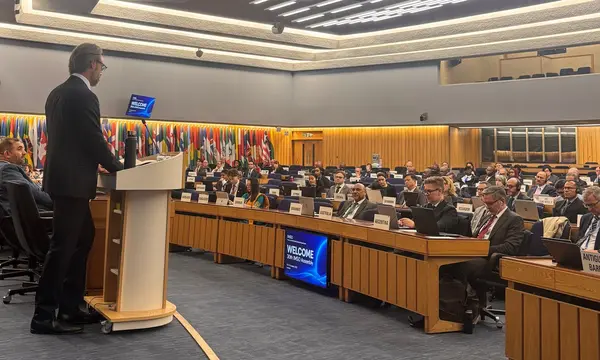
IMSO opens its 30th Assembly in London with delegates from 112 Parties reviewing GMDSS satellite distress service resilience and LRIT performance.
Superyacht Guide
Continue into the wider Superyacht Guide.
Business opportunities · Superyacht Guide
Companies serving the superyacht market can discuss clearly identified advertising, sponsorship and business-profile opportunities. Commercial activity remains separate from independent editorial coverage.