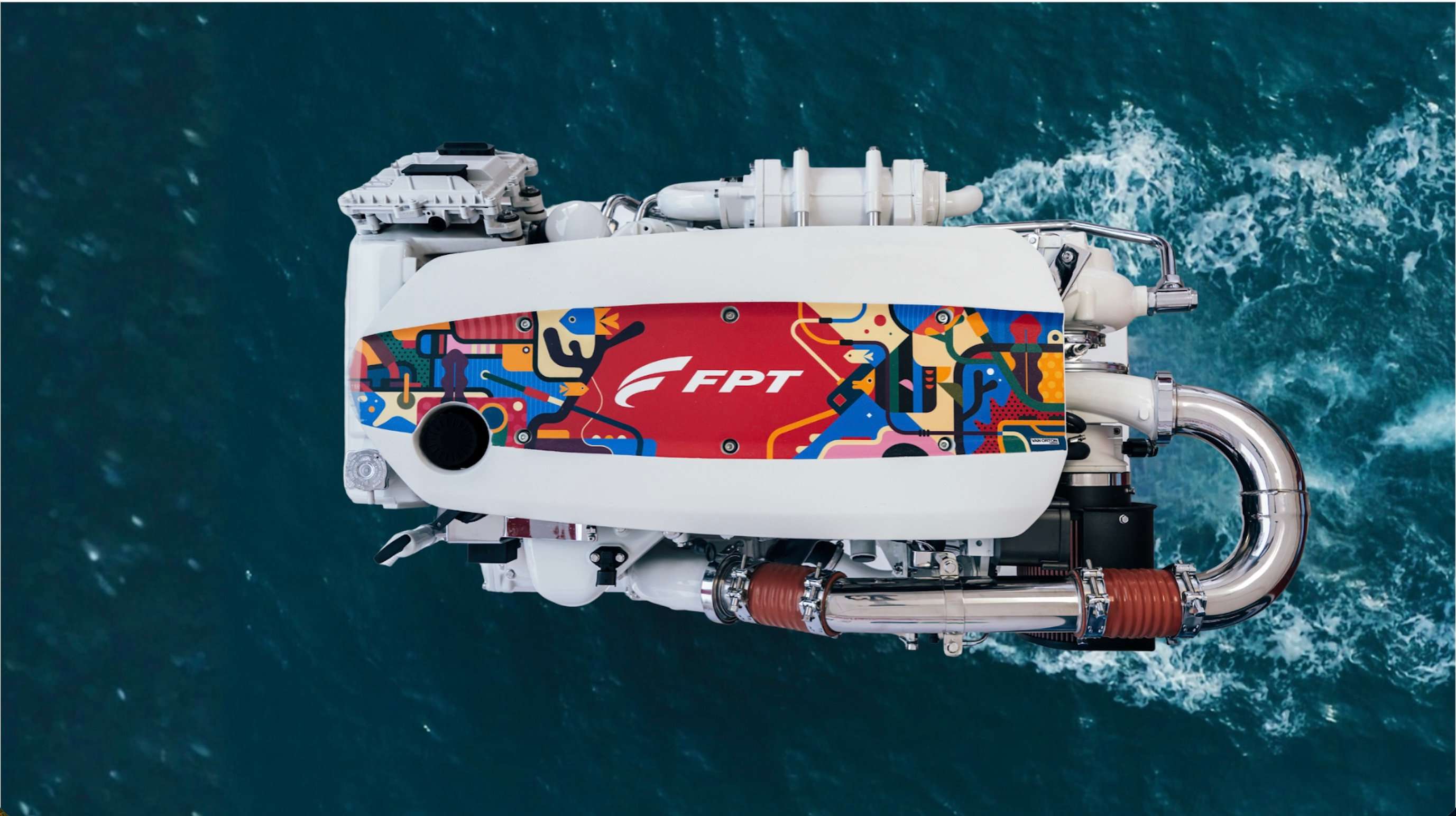
FPT Industrial Marine equipment company image, official November 2026 Italian industry-association announcement

News

FPT Marine Joins Confindustria Nautica as Demand for Yacht Propulsion Grows

Nov. 13, 2026 Business

FPT Industrial Marine equipment company image, official November 2026 Italian industry-association announcement

FPT, part of Iveco Group, joins Italy's Confindustria Nautica to strengthen relationships with yachtbuilders as interest in marine propulsion systems grows.

A marine-engine manufacturer joins Italy's yachting association FPT, the Iveco Group business specialising in propulsion and power-generation technology, has joined Confindustria Nautica, the Italian industry association for recreational boating and the wider marine supply chain. The company announced the move on 2 November 2026, describing growing interest in its marine products and a desire to strengthen relationships with Italian yachtbuilders and other sector businesses. Membership is a strategic industry decision rather than the launch of a single new superyacht engine. Its significance comes from the role propulsion suppliers play in the construction, operation and servicing of modern yachts. The link between engine manufacturers and yards extends from original machinery selection to maintenance, spare parts, emissions requirements and the development of future propulsion arrangements.

Confindustria Nautica represents a wider supply chain Established in 1967, Confindustria Nautica acts as a national association for Italian recreational marine businesses. Its activities encompass boatbuilders and a range of companies involved in the equipment, services and industrial processes needed to support the sector. An association can provide a forum for discussing industrial policy, training, trade exhibitions and shared concerns among businesses. It does not itself certify that every member's products are suitable for every class of yacht. FPT's entry should therefore be read as an opportunity for closer dialogue rather than a newly granted technical approval. A manufacturer must still demonstrate the performance and compliance of each engine or generating set in the circumstances for which it will be installed.

FPT brings expertise from several markets FPT develops engines and related systems for road and off-road applications as well as marine propulsion and power generation. That combination gives the company experience in demanding operating conditions, maintenance networks and engine integration beyond the yachting sector. The translation of technology between markets can be valuable, but a propulsion system intended for a yacht must meet its own duty-cycle, cooling, installation and regulatory requirements. A commercial engine's reputation for reliability does not automatically establish its suitability in every enclosed superyacht engine room. The marine business must provide specifications appropriate to the installation and ensure that shipyards have access to the necessary engineering support during design and commissioning.

The company reports increased interest from leisure customers In its November statement, FPT describes a notable increase in requests for marine products serving the recreational market. It links that interest to the characteristics it promotes in its engines, including reliability, efficiency, torque density and a favourable power-to-weight relationship. These are manufacturer claims, not audited sales growth figures published with the announcement. The statement does not disclose the exact number of new superyacht contracts or a specific fleet-wide order total. A responsible account should therefore distinguish the company's perception of stronger customer interest from a quantified increase in completed engine deliveries. The confirmed development is membership of the industry association and the manufacturer's stated intention to engage more closely with recreational boatbuilding.

Engine size does not map directly to yacht length Marine propulsion products can be installed on vessels of very different sizes. An engine suitable as the main drive on a smaller yacht may be used in a different role or may be insufficient for a larger superyacht, depending on displacement, speed and machinery configuration. An engine manufacturer's broad recreational portfolio does not mean that all of its products are designed for yachts above 24 metres. Builders select machinery according to vessel-specific calculations and the required operating profile. For Superyacht Guide's audience, FPT's growing engagement with the industry is most relevant through larger suitable installations, support vessels, auxiliary equipment and the wider supply chain serving custom yacht construction and refits.

Performance is more complicated than headline horsepower A propulsion specification should consider sustained power, fuel use, noise, vibration, cooling and the ability to work with the selected gearbox and propeller. A boatbuilder cannot judge the appropriate engine solely from its peak horsepower or published torque figure. Yachts may spend considerable time at low load, manoeuvring near marinas or operating at cruising speeds well below maximum. Engine selection therefore involves understanding how the duty cycle will affect efficiency and maintenance. FPT's stated priorities are relevant to these decisions, but the November announcement does not establish a new independent comparative test showing that its entire range outperforms competitors. Proper evaluation still requires performance maps and installation-specific data.

Power-to-weight ratio can shape an engine room A compact engine delivering the required output may allow designers more flexibility in machinery arrangement, service access or the allocation of interior volume. Lower machinery weight can also influence broader design calculations, depending on its location and the overall vessel. Yet compactness is not always an advantage if it results in poor access to filters, belts or other components that need regular service. Superyachts are long-lived assets, and an engine room must be workable for engineers rather than impressive only in a layout drawing. FPT's emphasis on power density should therefore be assessed together with maintenance clearances, the availability of components and the practicality of installing or removing machinery during a future refit.

The company has discussed alternative fuels and hybridisation In a separate October 2026 technical interview, FPT representatives discussed the marine range, the potential use of hydrotreated vegetable oil and different hybrid-propulsion arrangements. Such topics provide context for the company's decision to increase its contact with the yachtbuilding industry. They should not be interpreted as proof that every existing FPT marine engine is approved for every alternative fuel or that a newly announced universal hybrid product has entered service. Fuel compatibility depends on the precise engine and the manufacturer's approved specifications. A hybrid installation also requires appropriate electrical systems, energy storage and control arrangements. Each opportunity needs project-specific engineering and evidence rather than a general sustainability label.

HVO raises questions about fuel supply and lifecycle Hydrotreated vegetable oil, sometimes marketed as a renewable diesel, can be compatible with certain approved diesel engines and may offer a different lifecycle emissions profile from conventional fossil diesel. The actual outcome depends on feedstock, processing, transport and the method used to calculate emissions. Yacht operators should not assume that any liquid sold as HVO is suitable for their engine or that it will always be available at their intended destinations. Manufacturer approval, fuel quality and warranty requirements must be confirmed. A discussion of alternative fuels within the supplier community can be useful, but it should avoid treating a prospective option as a guaranteed route to zero-emission cruising.

Hybrid propulsion has to be judged at system level A superyacht considering electric assistance or hybrid propulsion needs to evaluate the entire energy chain. An electric machine may draw from batteries, generators or other sources, and power conversion introduces its own efficiency losses. The result can be attractive under certain operating patterns, especially when electrical loads and propulsion needs are coordinated effectively. However, the presence of an electric component is not enough to establish a fuel-saving percentage. Buyers should request a model based on the intended voyage profile and hotel loads. A conventional diesel engine may still be needed for substantial passages, and a well-designed system must handle faults safely. FPT's interest in such technology forms part of a wider industry discussion, not a completed vessel-specific performance claim.

Building relationships can affect after-sales service For an owner, an engine maker's support network may be as important as its sales literature. Yachts can operate in different countries each season, and technical problems may arise far from the original shipyard. The ability to obtain spare parts, qualified technicians and warranty assistance can reduce delays, while unclear responsibility between installer and manufacturer can create difficulties. Closer cooperation with yachtbuilders may improve the planning of service access and the provision of documentation at delivery. Confindustria Nautica provides a forum in which these concerns can be discussed, but it is not a substitute for a defined service contract. Owners should still establish the precise support arrangements offered for the actual engine model.

Builder integration begins long before delivery Propulsion manufacturers often become involved during early naval-architecture and machinery-design work. Shaft alignment, exhaust routing, ventilation, cooling and electrical integration all influence how an engine performs in service. When those interfaces are resolved late, a shipyard may face expensive changes that affect construction timing. Working relationships between suppliers and builders can improve the flow of technical data and responsibility for commissioning. Yet membership of an industry association does not automatically establish formal engineering partnerships with named yards. The public statement identifies FPT's intention to strengthen ties across the sector, not a new series of signed superyacht contracts.

The environmental discussion also involves maintenance A yacht's long-term environmental impact depends partly on keeping machinery in good condition and operating it appropriately. An efficient engine can perform poorly if the cooling system, propellers or fuel system are neglected, or if the vessel is consistently driven outside its intended operating profile. Maintenance and monitoring can therefore be relevant to emissions as well as reliability. Modern systems may provide useful diagnostic data, but crews need the expertise and resources to act on it. FPT's work across different engine markets may help it develop such capabilities, although the November membership release is not a new technical certification for its monitoring equipment.

The Italian cluster includes important specialist suppliers Italy's yachtbuilding industry depends on a network that extends well beyond the best-known yacht brands. Engine and component manufacturers, engineering businesses, materials suppliers and service companies all contribute to the ability to build and maintain increasingly complex vessels. A major propulsion company joining a national trade association reinforces the importance of supplier coordination within that network. The practical benefit will depend on the relationships and initiatives that follow. It would be premature to claim that the move has already created jobs, increased production or changed regulatory standards. Those outcomes require later evidence, such as project announcements or measurable industry results.

A strategic membership, not an engine launch The core news is that FPT has entered Confindustria Nautica and sees stronger opportunities in recreational marine propulsion. For yachtbuilders and owners, the development points to a supplier seeking closer engagement with the market at a time when engine efficiency, integrated controls and future fuels are attracting attention. The announcement does not name a newly delivered superyacht or provide verified contract volumes, and this article does not invent them. The appropriate next questions concern the products and services FPT will bring to yachtbuilders through the relationship, how it will support marine installations and whether measurable joint initiatives emerge.

What the move may mean for larger yacht projects Larger yacht operators need predictable performance, competent technical support and systems that can remain maintainable through many seasons. Their shipyards must also meet demanding programme requirements, particularly when new forms of propulsion are being considered. A supplier's participation in an established industry association may help align those needs, but owners will benefit only if the conversations lead to practical engineering and service improvements. FPT's November statement sets out a clear direction without establishing the outcome in advance. The superyacht industry can judge its value through subsequent product documentation, partnerships and completed installations, while treating the membership itself as a confirmed industrial development.

**Reporting basis:** Official FPT Industrial Marine announcement distributed by PressMare on 2 November 2026, supported by the manufacturer's 28 October technical interview concerning diesel engines, HVO and hybrid propulsion. Official FPT marine-company press photograph illustrates the business; it is not presented as a specific superyacht installation.

Primary source: Official FPT Industrial Marine press statement distributed by PressMare on 2 November 2026.

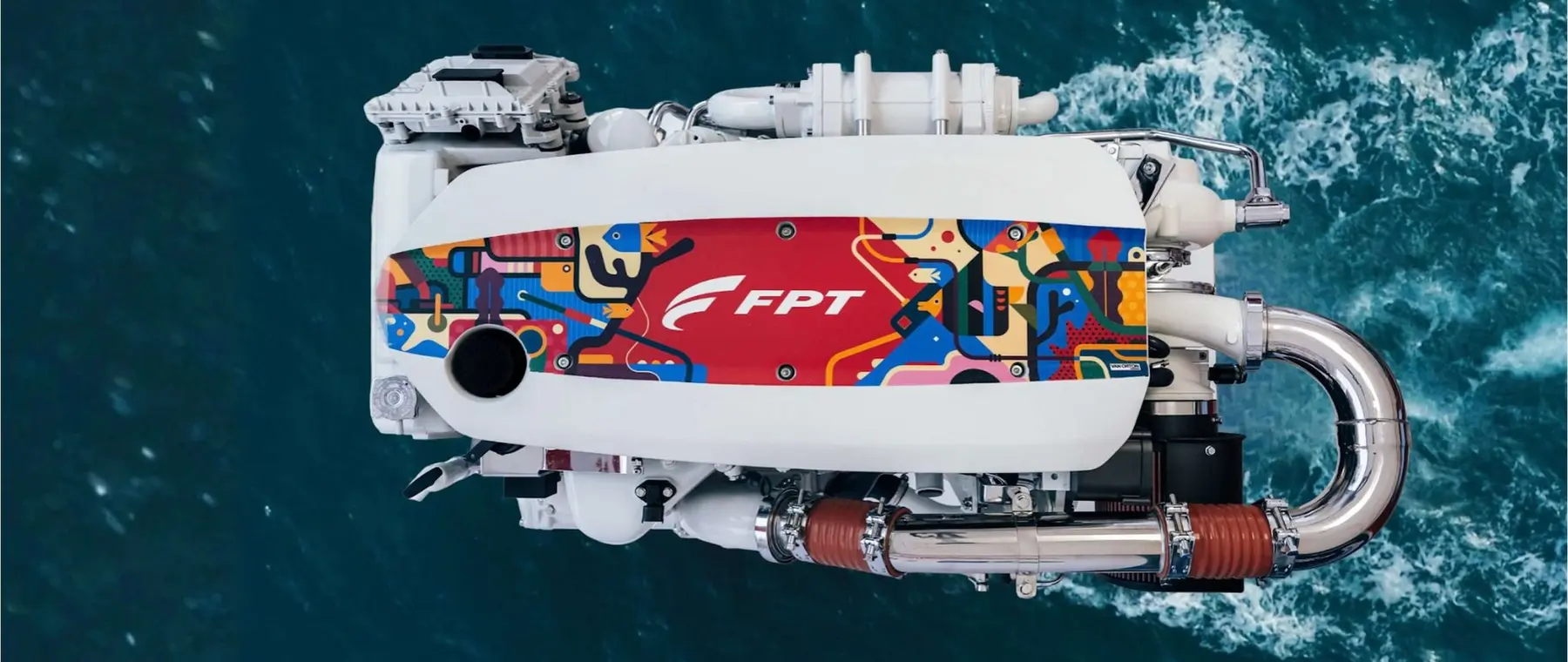
Photo: FPT Industrial Marine official Confindustria Nautica membership press release distributed by PressMare; manufacturer image, not a particular superyacht engine installation. Official source image.

Photo licence and source

Photo: FPT Industrial Marine official Confindustria Nautica membership press release distributed by PressMare; manufacturer image, not a particular superyacht engine installation.

Continue reading

All news

Superyacht Guide

Explore the superyacht world

Continue into the wider Superyacht Guide.

Business opportunities · Superyacht Guide

Reach the superyacht industry audience

Companies serving the superyacht market can discuss clearly identified advertising, sponsorship and business-profile opportunities. Commercial activity remains separate from independent editorial coverage.