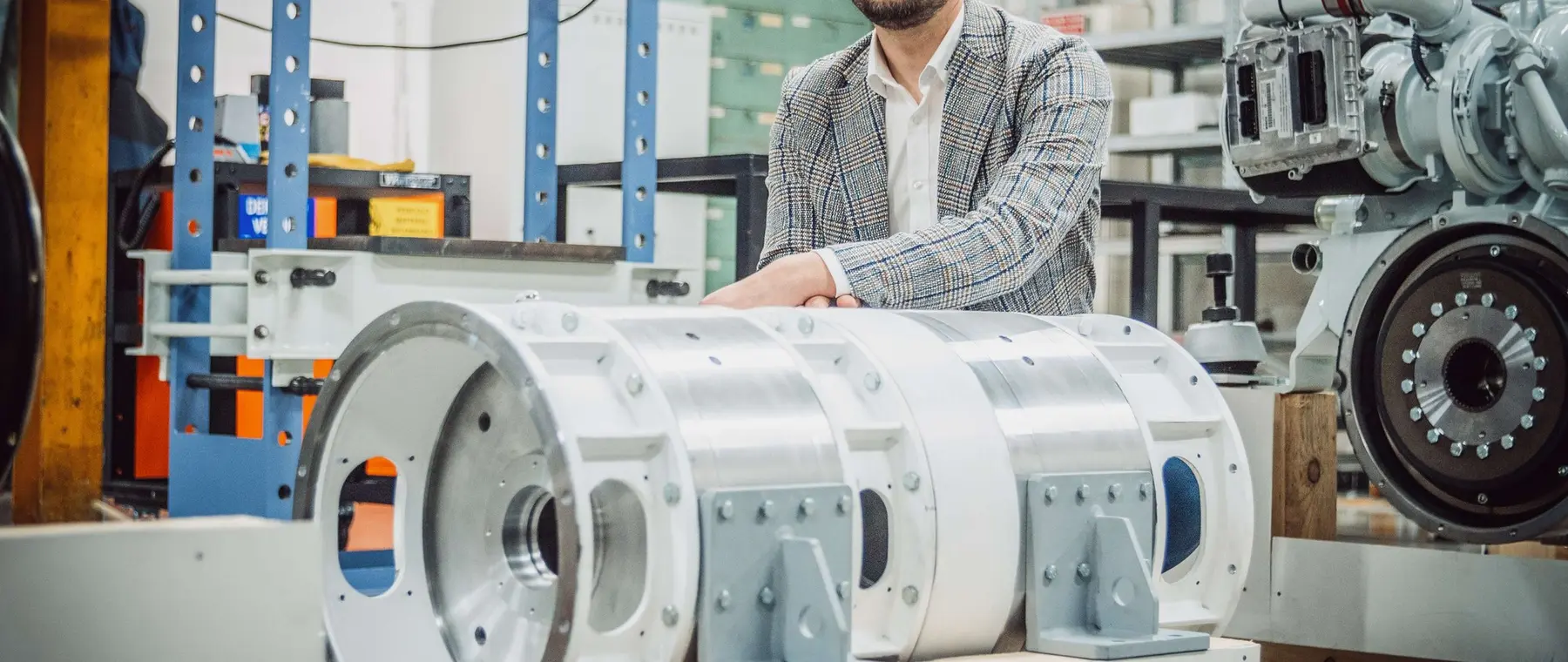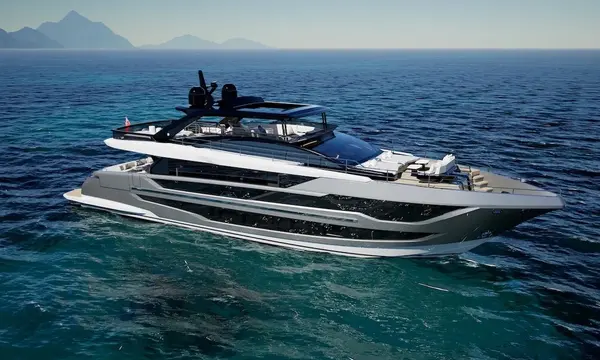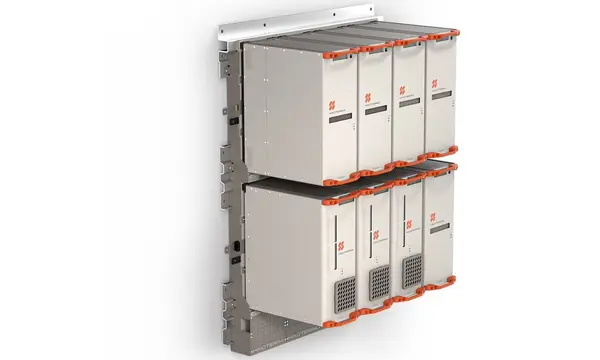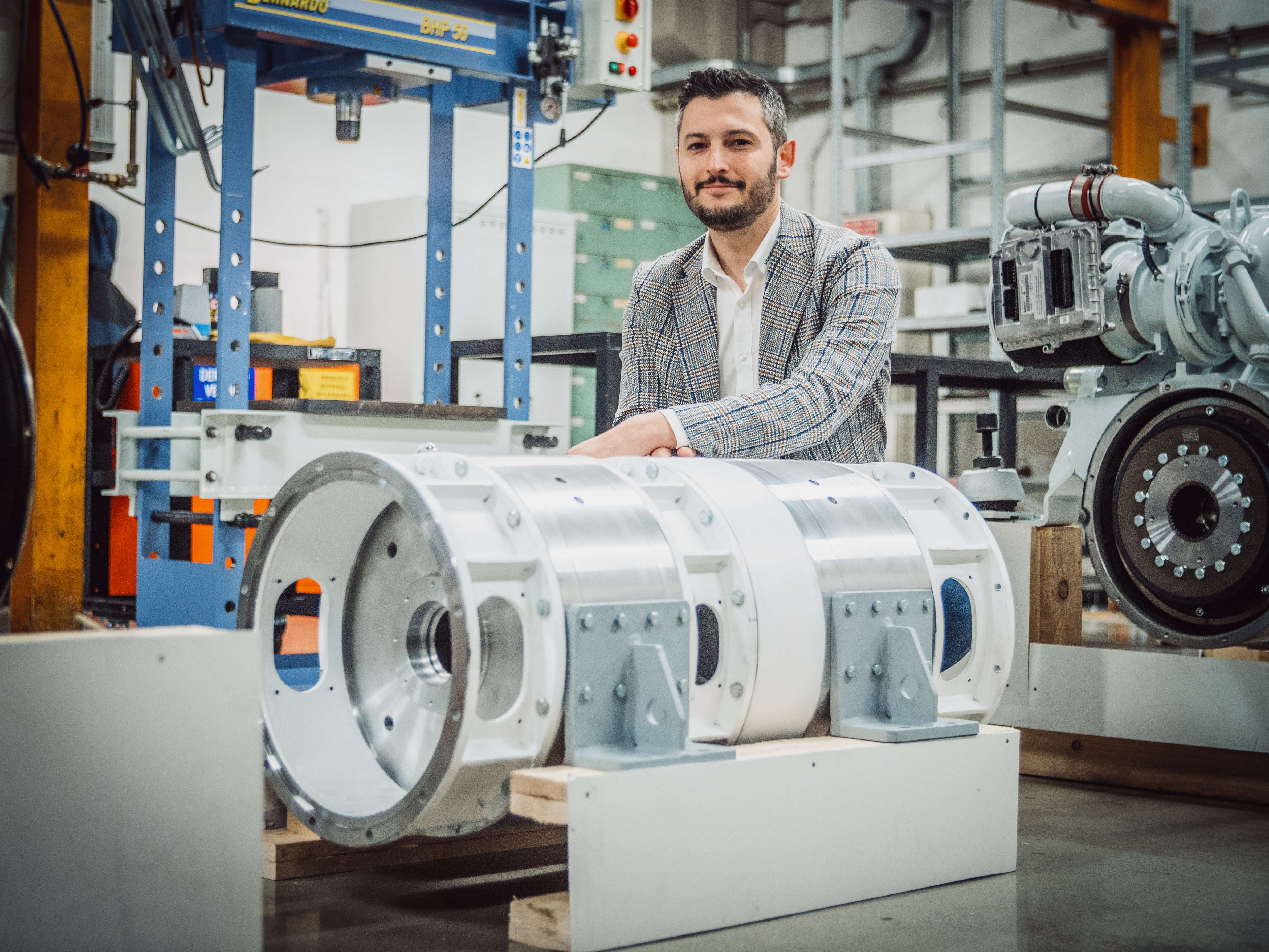
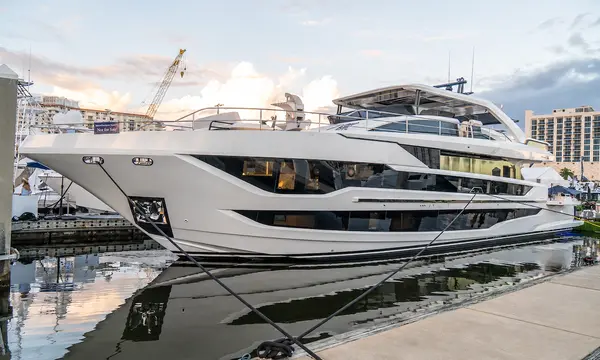
Vulkan H1000 modular hybrid marine propulsion equipment, official 2026 manufacturer product photograph

News

Vulkan Previews 200kW H1000 Hybrid Drive Module for Superyacht Propulsion at METSTRADE

Nov. 13, 2026 Technology

Vulkan H1000 modular hybrid marine propulsion equipment, official 2026 manufacturer product photograph

Vulkan Italia will present its 200kW H1000 parallel-hybrid module for marine diesel engines rated 500–1,500kW during METSTRADE's Next Gen showcase.

A new hybrid module enters the Amsterdam conversation Vulkan Italia is preparing to bring its H1000 hybrid propulsion module to METSTRADE 2026, placing the equipment within the exhibition's Next Generation Propulsion Showcase. The show runs from 17 to 19 November at RAI Amsterdam. In a technical briefing published on 10 November, Matteo Zangrandi, the company's head of Hybrid and Electric Solutions, described a modular approach intended for applications ranging from yachting to commercial marine vessels. The H1000 is specified by the company as a parallel-hybrid module rated at 200 kilowatts, designed to interface with diesel engines in the 500 to 1,500 kilowatt range. Its relevance to larger yachts lies in the possibility of integrating electric machinery within an established propulsion architecture rather than designing every system from scratch.

Parallel hybrid is not the same as fully electric A parallel-hybrid arrangement allows an electric machine and a diesel engine to interact within the propulsion drive line. Depending on the exact design, an installation may use electrical assistance, electric-only operation under certain conditions or energy recovery. Those operating modes are not automatically provided by every product that carries the hybrid label. The Vulkan announcement identifies the H1000 module and its intended engine range but does not describe a complete yacht installation with a certified battery capacity or published cruising endurance. Owners should ask which operating modes are included in a proposed configuration and under what conditions they can be used. A 200-kilowatt module by itself is not proof that an ocean-going superyacht can cruise silently for a particular number of hours.

A modular approach could help multiple projects The H Series is presented as a family of components developed by Vulkan's Hybrid and Electric Solutions team. Its intended advantage is a modular architecture combining the hybrid drive with power electronics, distribution, control and automation. This could help yards select appropriate components for different power demands, although the integration work remains substantial. A modular product family is not equivalent to an off-the-shelf complete propulsion plant for every vessel. Ship designers must confirm the engine interface, shaft arrangement, cooling, electrical distribution and safety functions. They must also establish how the vessel is operated when part of the hybrid system is unavailable. The combination of standardised equipment and project-specific engineering is central to assessing the concept.

The H1000 targets medium-to-large diesel engines Vulkan says the latest H1000 evolution is intended for diesel engines between 500 and 1,500 kilowatts, a range found in various marine propulsion installations. Such engines can be fitted to yachts and workboats of different sizes, so the relevant project is determined by its overall design rather than simply by a vessel-length threshold. A 24-metre yacht and a substantially larger displacement superyacht may have different machinery layouts and hotel-load requirements even if their propulsion engines overlap in rated power. The H1000's 200-kilowatt electric-machine figure should be considered relative to the engine, gearbox and intended modes of operation. It does not indicate the total maximum propulsive power of a finished hybrid yacht.

Cooling technology is part of the design proposition The company associates the H1000's power density with patented CapCoolTech technology from dynamic E flow GmbH. The approach involves directly cooling conductive elements of the electric machine, allowing the design to combine output with a relatively compact package. High power density can be valuable in machinery spaces where access and volume are limited. However, thermal performance in an installed yacht will also depend on the cooling circuit, ambient conditions and how the drive is operated over time. A manufacturer may publish favourable laboratory or design values while the real machinery installation faces its own constraints. Detailed heat rejection, coolant specifications and fault-response information should form part of any engineering review.

Compact dimensions matter in a refit A major attraction of a compact hybrid module is the possibility of incorporating new equipment within an existing engine room. Large-yacht refits can be complicated by narrow access routes, established foundations and limited room around propulsion machinery. Installing an additional motor, drive equipment and electrical distribution can affect shaft alignment, vibration, maintenance access and fire arrangements. Vulkan presents the H1000 as potentially useful for both new builds and retrofits, but the announcement does not provide a case study showing that any particular yacht has completed such a conversion. The real feasibility of a refit depends on a survey of the original machinery and the availability of a technically acceptable space for the new components.

Electricity needs an energy source An electric propulsion module does not generate electrical energy by itself. It must draw power from a suitable battery system, generator or other source, depending on how the yacht is configured. If battery operation is proposed, the number of usable kilowatt-hours and the required power determine the possible duration of the selected mode. Charging arrangements, thermal management, battery safety and voltage architecture are therefore essential parts of the design. A 200-kilowatt electric motor could use a considerable amount of energy under sustained high load. Without a specified battery bank and operating profile, it is impossible to make a reliable claim about how far the yacht could travel without using its diesel engine.

Hybrid systems introduce choices about operating modes An owner commissioning a hybrid yacht may wish to operate more quietly when entering a harbour, reduce engine loading at certain speeds or make better use of onboard generation. The best solution depends on the mission profile and the machinery already selected. Parallel-hybrid designs may offer flexibility but also add a requirement for coordination between diesel and electrical systems. A control architecture should prevent conflicting commands and keep the crew informed about available power and operating limitations. The Vulkan release describes integrated controls and automation as part of its platform, but does not give a complete operating manual. It would be wrong to infer that the technology automatically optimises fuel consumption without any need for professional setup or monitoring.

Efficiency claims require a whole-vessel comparison Hybrid technology is frequently promoted as a means of reducing fuel use and emissions. Those outcomes are possible in suitable duty cycles, but they cannot be assumed solely from the presence of an electric machine. Energy may be lost during conversion, charging and discharge, while the production of electricity may itself involve fuel consumption. A proper comparison considers the baseline vessel, typical voyages, speed profiles, hotel loads and the new system's electrical losses. Owners should ask suppliers for a model based on their actual programme, not a generic percentage reduction. The November announcement does not give an independently measured fuel-saving percentage for a superyacht fitted with H1000, and this report makes no such assertion.

The Next Generation Propulsion Showcase gives the system context Vulkan is appearing within the Next Generation Propulsion Showcase, organised with the International Electric Maritime Association as part of the exhibition's Next Gen Zone. The area is intended to present technologies that could contribute to lower-impact marine operations. Its scope includes propulsion systems and supporting equipment from multiple suppliers. Such a format is useful because a hybrid drive is only one element within a more complex electrical and mechanical system. Buyers can examine how different components might connect and what standards apply. The presence of a product in a sustainability-themed exhibition is not an environmental certification in itself. Any claimed benefit should be traced to technical evidence.

Engineering integration involves several suppliers A hybrid installation may combine a diesel engine from one manufacturer, transmission from another, electric machine, inverter, batteries and a vessel-level control system. Each component can perform satisfactorily on its own while still causing problems when the interfaces are poorly defined. The yard and its engineering partners need a common responsibility matrix covering installation, testing and troubleshooting. For larger yachts, machinery reliability is a matter of operational safety as well as efficiency. A vessel far from service centres may require the ability to isolate a faulty electrical component and continue with conventional propulsion. Owners should ask how the proposed H1000 configuration deals with such failures and what maintenance access will remain after installation.

Class and flag requirements remain independent Marine propulsion changes can affect class-approved arrangements, emergency systems, fire protection and vessel stability. A manufacturer presenting a hybrid module at a trade show is not automatically granting approval for a particular installation. The vessel's classification society, flag state and any relevant technical standards must be consulted according to the project's operating status. Designers will need documentation concerning high-voltage or other electrical hazards, emergency shutdown, cooling and control-system integration as applicable. The relevant requirements can differ between a commercial and privately operated yacht. A prudent owner will appoint qualified technical advisers early rather than treating certification as a formality to complete after equipment has been installed.

Power electronics are a maintenance commitment High-performance electrical drives depend on inverters, control units and associated components that may require specialist diagnostics and spare parts. A module's compact physical design can be advantageous while also concentrating heat and complexity within a smaller space. Technicians should know how fault information is recorded and whether service is available in the yacht's normal cruising regions. Software support and secure updates may become relevant during the equipment's life. Vulkan's announcement describes the architecture but does not publish a comprehensive service network or warranty terms for every market. Those questions should be addressed in procurement discussions, particularly for an owner planning long-distance or remote cruising.

What visitors should ask at METSTRADE Vulkan Italia plans to exhibit at Stand 07.204. A chief engineer or naval architect could use the event to ask about the H1000's dimensional envelope, permitted engine interfaces, cooling requirements, shaft coupling arrangements and acceptable duty cycles. Electrical questions include voltage, battery compatibility, control redundancy, fault handling and the requirements for commissioning. Refits bring additional questions about gearbox compatibility and access for installation. The product's headline rating is useful for orientation but insufficient for a purchase decision. Any proposal should be developed around current technical sheets and a vessel-specific engineering assessment, supported by the engine and transmission manufacturers where required.

A practical development rather than a finished yacht The confirmed November news is Vulkan Italia's plan to present its H1000 parallel-hybrid module and broader H Series in Amsterdam, identifying a specific 200-kilowatt design aimed at diesel engines between 500 and 1,500 kilowatts. This is relevant to the direction of superyacht propulsion, but it should not be confused with a completed installation or proven range claim. The main opportunity lies in evaluating whether a modular drive can reduce the difficulty of integrating electrical propulsion with conventional machinery. Its success will ultimately depend on careful design, meaningful operating data and dependable support after installation. For owners, those matters are more important than the presence of a hybrid label.

**Reporting basis:** Vulkan Italia and its Hybrid & Electric Solutions team's statements in PressMare's 10 November 2026 METSTRADE preview. The official product photograph is supplied for the event; no completed sea trial or independently established fuel-saving claim is made.

Primary source: Vulkan Italia official METSTRADE product briefing, published by PressMare on 10 November.

Photo: Vulkan Italia company press media distributed with its 10 November METSTRADE hybrid propulsion presentation. Official source image.

Photo licence and source

Photo: Vulkan Italia company press media distributed with its 10 November METSTRADE hybrid propulsion presentation.

Continue reading

All news

Superyacht Guide

Explore the superyacht world

Continue into the wider Superyacht Guide.

Business opportunities · Superyacht Guide

Reach the superyacht industry audience

Companies serving the superyacht market can discuss clearly identified advertising, sponsorship and business-profile opportunities. Commercial activity remains separate from independent editorial coverage.