Diana Yacht Design Marks 55 Years of Naval Architecture
By Stephen Yardley · Edited by Stephen Yardley
Diana Yacht Design marks 55 years since its founding in 1971, highlighting independent naval architecture, yacht engineering and collaboration with builders.
Diana Yacht Design is marking its 55th anniversary in 2026, tracing its origins to a Dutch naval architecture and yacht engineering practice founded in 1971. The studio's anniversary statement, published on its own website, reflects on the transformation of custom yacht development from hand-drawn plans to detailed digital engineering. This is an institutional milestone, not the announcement of a newly delivered yacht or a named construction contract.
The story is relevant to the superyacht industry because independent naval architects work across the boundaries between an owner's brief, an exterior designer's concept and a yard's ability to build the vessel safely. Diana describes a continuing role in naval architecture, engineering and construction support.
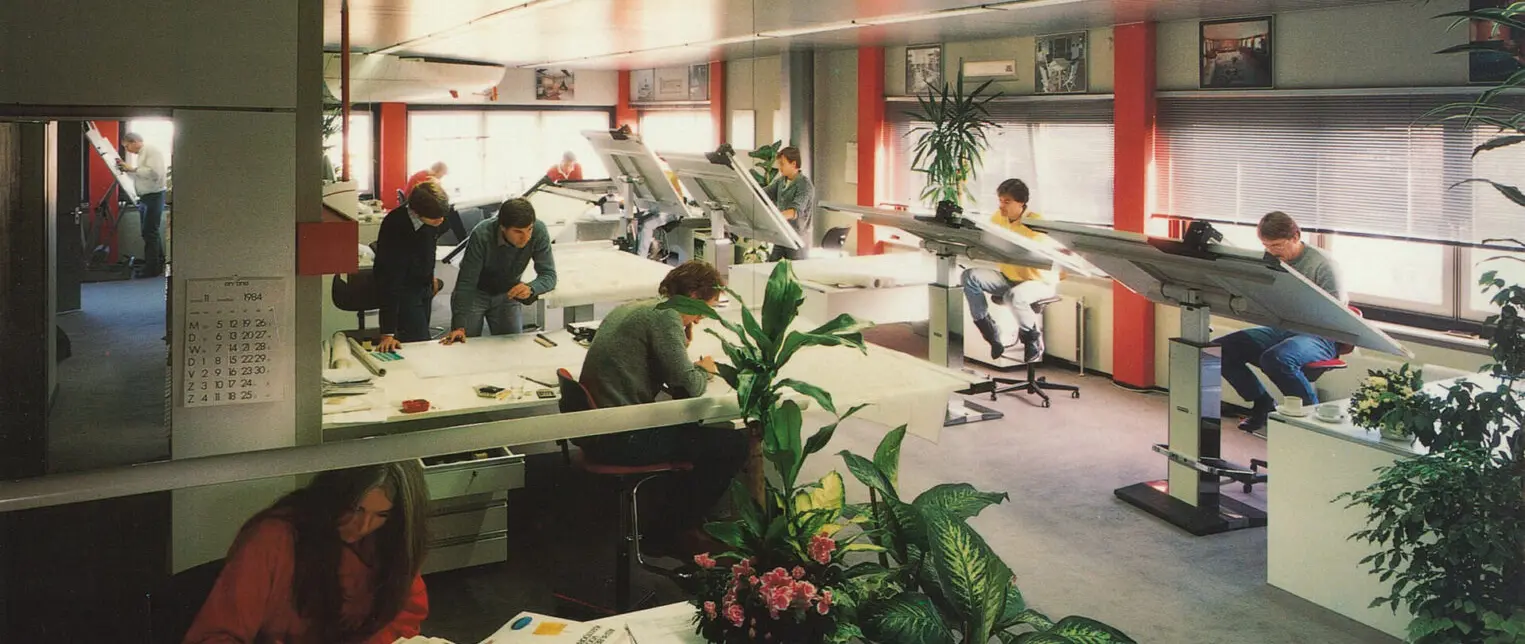
According to the studio, the business was founded by Dutch engineers Joost Beekman, Cor van der Wiel and Kees Kolff. It began in an era when the essential tools of naval architecture included drawing boards, hand calculations and physical documentation. That setting helps explain why practical knowledge of structures and construction was inseparable from yacht design.
The company places the founders and subsequent project teams at the centre of its history, rather than identifying the anniversary with a particular celebrity vessel. This perspective is important for understanding an independent technical consultancy. Its work is often collaborative and may be less visible in a yacht's public presentation than interior decoration or external styling, even when engineering decisions underpin the craft's performance, structural arrangement and long-term serviceability.
Diana highlights the shift from hand-drawn construction plans to computer-based design and detailed three-dimensional engineering models. Digital models can bring hull structures, machinery spaces and technical systems into a common working environment, making conflicts easier to identify before components are fabricated. The firm's statement presents this progression as part of the wider evolution of yacht engineering.
Accuracy of digital information is only as useful as the assumptions behind it. A model must correspond to the agreed design brief, material selection, equipment dimensions and construction process. Revisions must reach the relevant disciplines without creating inconsistencies between the drawings and the intended vessel. The anniversary is therefore a reminder that technological change alters the tools of naval architecture without eliminating the fundamental responsibility to produce sound, buildable engineering.
The studio identifies hull form, stability, structural design, performance and the arrangement of onboard systems as interdependent engineering concerns. Decisions about one can affect another: a requested interior volume may influence hull proportions, while equipment layout and structural supports can constrain where openings are placed. These considerations normally need to be discussed early enough for design choices to remain practical. Diana's statement stresses the importance of addressing technical implications during the development process.
For a superyacht owner, early engineering work is often less tangible than a finished rendering, yet it shapes the eventual use of the vessel. Crew circulation, maintenance access, tankage and the location of machinery all influence how a yacht functions after delivery. The precise solutions differ by project, and Diana has not published detailed engineering specifications in its anniversary note. The broader lesson is the value of examining design ambitions alongside the practical work needed to realise them.
Diana describes itself as an independent partner to owners, designers, shipyards and project teams. That positioning matters in custom construction because responsibility for a vessel's technical definition is distributed among specialists. Exterior styling, naval architecture, systems engineering and the yard's production expertise have to meet in a coherent set of drawings and decisions. A consultancy operating across those boundaries can help a project team identify constraints while changes remain manageable.
The studio's account emphasises cooperation rather than a claim that it alone produces every aspect of a yacht. Such precision is important: a completed superyacht generally embodies the work of numerous companies and individuals, each with a distinct remit. The anniversary statement does not assign every project or vessel to a single designer. Readers should therefore distinguish between a naval architect's contribution and the separate roles of styling studios, contractors, outfitters and the constructing shipyard.
The company lists construction support alongside design and engineering within its offering. This is a logical extension of naval architecture, since calculations and models must ultimately be translated into components a yard can assemble and inspect. Connection details, tolerances and the sequence of fabrication can affect whether an otherwise attractive technical solution is practical. The firm's anniversary statement presents buildability as a concern that belongs inside the engineering process rather than an afterthought.
Construction support does not mean the independent studio becomes the shipyard or takes over every subcontractor's obligations. The responsibilities for quality control, classification submissions and final acceptance depend on the individual contract and project structure. Diana's own description is more careful: it contributes technical knowledge and works with the project team through development and construction. That cooperative role provides meaningful context for a company whose contribution may not be visible in finished-yacht photography.
The anniversary statement observes that custom yachts have become more technically complex since the firm's founding. Larger systems, detailed integration and owners' increasingly specialised requirements make coordination an enduring challenge. Modern projects can incorporate extensive glazing, complex outdoor features and sophisticated equipment; all require engineering decisions specific to their actual arrangement.
The change in available tools has also affected how project teams communicate. Detailed digital models can support discussions between specialists who are not working in the same office, but the need to define interfaces and responsibilities remains. A sound technical process should expose competing requirements before they become expensive changes on the construction floor. Diana's history illustrates this continuity between traditional engineering principles and the methods now used to document them.
The confirmed milestone is straightforward: Diana Yacht Design dates its foundation to 1971 and is celebrating 55 years in 2026. It credits three Dutch founders and describes a progression from manual drawings to digital engineering while continuing as an independent naval architecture partner. Its source material is retrospective and should be treated as the company's account of its own development, not evidence of an unannounced launch, order or change of ownership.
The wider significance lies in a discipline whose success is frequently hidden beneath a yacht's completed finish. Hull geometry, structural arrangements, stability and systems integration shape what owners and crew can safely do with a vessel. Diana's anniversary draws attention to the collaborative technical work that makes custom design practical. That contribution, rather than a speculative new programme, is the reason this corporate milestone belongs on the superyacht news desk.
Explore
Go deeper into the yachts, companies, events and destinations directly connected to this article.
Continue reading
Dutch Design's 42.5m SEA ROVER has advanced with its aluminium superstructure installed on a steel hull, as engineering and wellness-focused interior work continues.
An examination of Van der Valk's 39.92-metre Shine, delivered in 2026 with a bespoke aluminium hull, fast-displacement engineering and interiors by Cristiano Gatto Design.
Malta-based Melita Marine Group has started construction on a waterfront facility for captains and crew during yacht refits, with a gym, sauna, shared social …

An IYC and SuperYacht Times panel at Monaco Yacht Show 2026 examined how crew rest, staffing, mental wellbeing and working culture affect the guest …
Superyacht Guide
Continue into the wider Superyacht Guide.
Business opportunities · Superyacht Guide
Companies serving the superyacht market can discuss clearly identified advertising, sponsorship and business-profile opportunities. Commercial activity remains separate from independent editorial coverage.