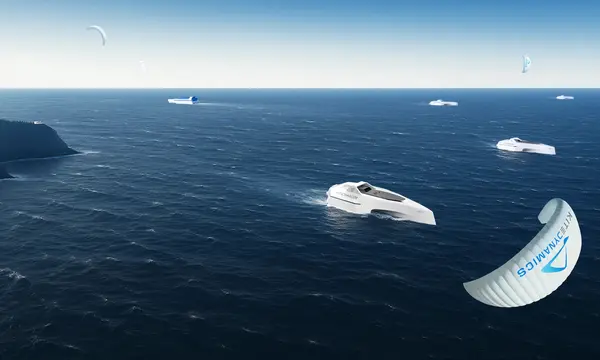
Kite Dynamics Trials Renew Superyacht Wind-Power Debate
Kite Dynamics is testing kite-driven propulsion and energy generation that could eventually supplement the electrical and cruising systems of large yachts.
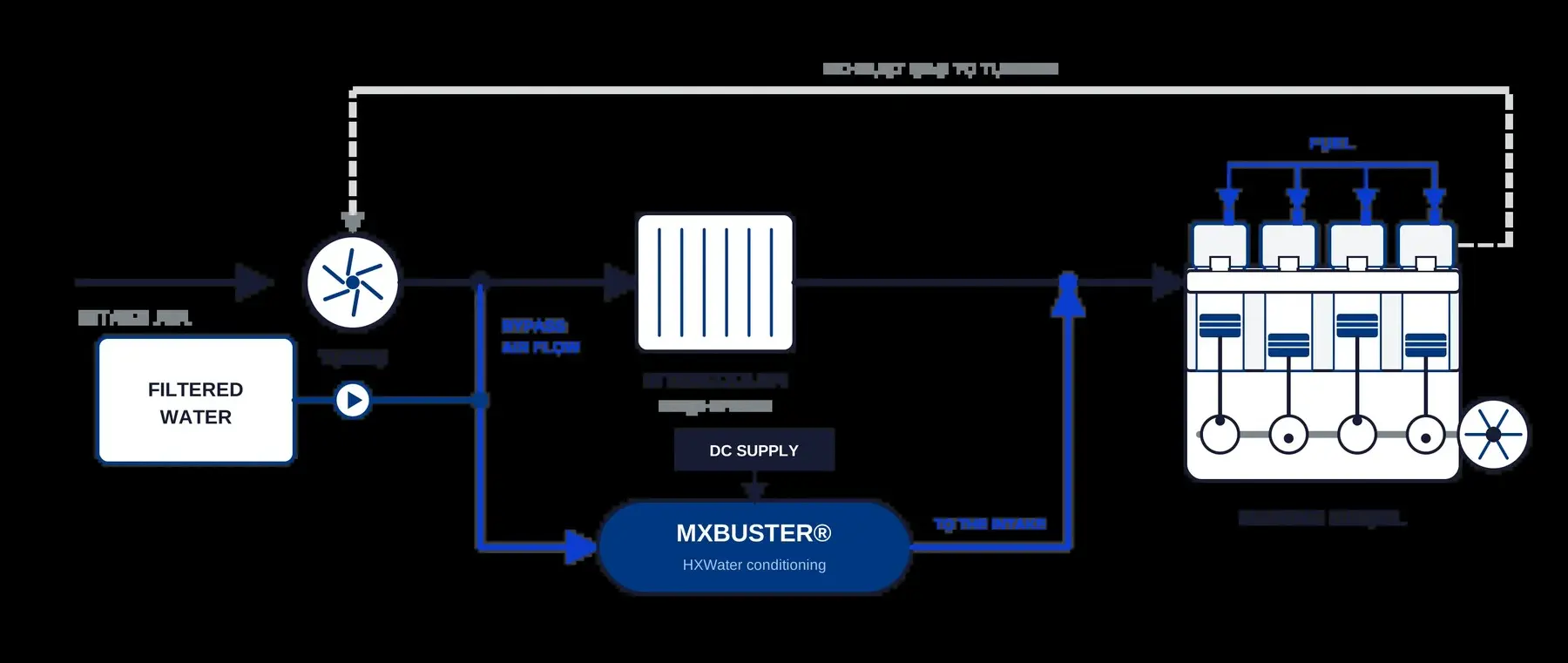
Image: Feadship / AtomicOne
Feadship has joined AtomicOne to offer the MXBuster combustion-optimisation system to yachts above 30 metres after more than a year of onboard operation.
Feadship and Dutch technology developer AtomicOne have announced an agreement to bring MXBuster combustion optimisation to yachts longer than 30 metres. The announcement, dated 21 October 2026, follows more than a year of use on board an existing Feadship and places the emphasis on upgrading operating vessels as well as informing the design of future machinery spaces. Unlike a new yacht launch, this is a technical partnership whose value will depend on independently demonstrated results across different engines and duty cycles.
Feadship says it has secured exclusive rights to apply MXBuster and associated technologies in the over-30-metre yacht sector. That commercial exclusivity does not mean the system has already been installed throughout the fleet, nor does a trial installation establish identical savings for every owner. The initial practical question for captains and technical managers is whether the equipment can reduce pollutants without requiring the extensive engine-room changes sometimes associated with exhaust after-treatment.
According to the partners, the add-on conditions intake air by introducing hydrogen produced from purified water together with conditioned water vapour. The intention is to improve what happens during combustion, reducing soot formation and other emissions before exhaust gases reach any downstream treatment equipment. The claim is about optimising combustion within an existing diesel-engine installation; MXBuster is not a hydrogen propulsion system and does not replace the engine's primary fuel supply.
Feadship describes the installation as separate from the engine itself, without a requirement to modify the engine's certified internal configuration. The system is intended to operate with conventional marine diesel and with hydrotreated vegetable oil, or HVO. For an owner considering a retrofit, these design features matter because installation complexity, access for service, class documentation and downtime can be as significant as the projected fuel or emissions benefit.
Feadship reports that testing involving organisations including Lloyd's Register and SGS has validated performance on medium-speed ship engines and superyacht generator sets. Its announcement cites reductions in nitrogen oxides of up to 55 per cent, together with reductions in particulate matter and exhaust temperatures. The words 'up to' are important: a maximum recorded result from specified tests should not be read as a guaranteed across-the-board reduction under every yacht operating condition.
The company also refers to separate tests on modern land-based diesel engines showing fuel-consumption reductions of up to 14 per cent and AdBlue-consumption reductions of 25 to 35 per cent. Those figures are not presented as a verified 14 per cent saving on the Feadship installation. Onboard measurements suggest a possibility of lower fuel consumption, but the announcement does not provide a universal payback period, complete test protocol or fleet-wide average on which owners could safely base an investment calculation.
Large yachts often operate with machinery arranged within tightly integrated technical areas, and retrofit options must compete for scarce access, exhaust-routing capacity and maintenance space. Feadship points particularly to yachts fitted with Tier II engines for which conventional selective catalytic reduction equipment can be difficult to accommodate. A more compact combustion-optimisation system could expand the range of workable upgrades, although any individual proposal still requires review of the complete exhaust and emissions arrangement.
Space saved in a future engine-room design could also benefit service access, vibration control and overall layout planning. Nevertheless, equipment volume is only one variable in naval architecture. Electrical demand, water quality, consumables, redundancy, cooling, onboard safety procedures and long-term support must all be engineered into a reliable whole. An attractive schematic on its own does not establish how an installation will perform after years at sea.
The partners say that an MXBuster installation has operated on a Feadship for more than a year, with soot deposits eliminated during that period and other emissions reduced. The yacht's identity and a detailed operational dataset were not disclosed in the public announcement. Readers should therefore distinguish an encouraging reported service history from a fully published comparative trial that would allow independent calculation of savings at defined generator loads.
Feadship is also working with AtomicOne, Eindhoven University of Technology and maritime specialists on a 'Machine Room of the Future' programme. The stated aim is to combine combustion optimisation with compact exhaust treatment while reducing the weight and complexity of conventional machinery solutions. Owners commissioning a new yacht can watch this development without assuming that a research ambition is already a class-approved production standard for every propulsion and generator package.
Before ordering a retrofit, a technical team should request measurements for the actual engine model, its operating profile and its fuels, as well as the approval pathway with its flag and classification society. Baseline emissions, generator loading, measured fuel burn, equipment power use, maintenance intervals and independent witnessing all matter. Clear documentation should separate reductions measured at the engine from any whole-vessel environmental claim.
The agreement puts a potentially useful technology on the radar of the over-30-metre fleet, but the responsible conclusion is measured rather than triumphant. Feadship has reported a working onboard installation and a more systematic route to further application; it has not promised uniform gains for all yachts. The next important milestone will be transparent operational evidence across more vessels and a clear account of the installation costs and constraints that owners actually face.
Continue reading
Kite Dynamics is testing kite-driven propulsion and energy generation that could eventually supplement the electrical and cruising systems of large yachts.
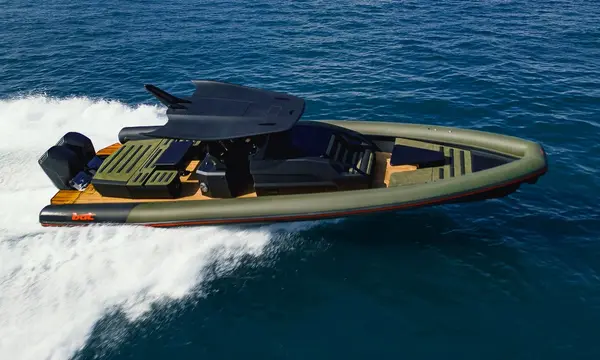
BAT founder Corrado Rizzardi says the 14.1m COMBAT14 will target superyacht chase-boat and tender roles as the historic Italian inflatable-boat brand expands.
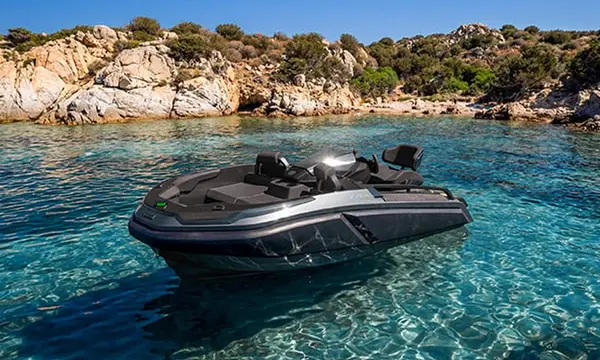
Besnati has detailed its HURLO 325, a compact 330hp jet-powered tender that can double as a superyacht water toy and is designed for garage …

Traffik.ai has launched yacht movement intelligence, citing more than 185 million recorded positions and new analytics for superyacht marinas, brokers and marine service businesses.
Superyacht Guide
Continue into the wider Superyacht Guide.
Business opportunities · Superyacht Guide
Companies serving the superyacht market can discuss clearly identified advertising, sponsorship and business-profile opportunities. Commercial activity remains separate from independent editorial coverage.