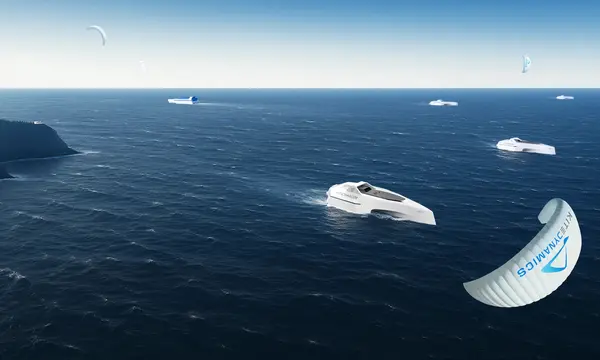
Kite Dynamics Trials Renew Superyacht Wind-Power Debate
Kite Dynamics is testing kite-driven propulsion and energy generation that could eventually supplement the electrical and cruising systems of large yachts.
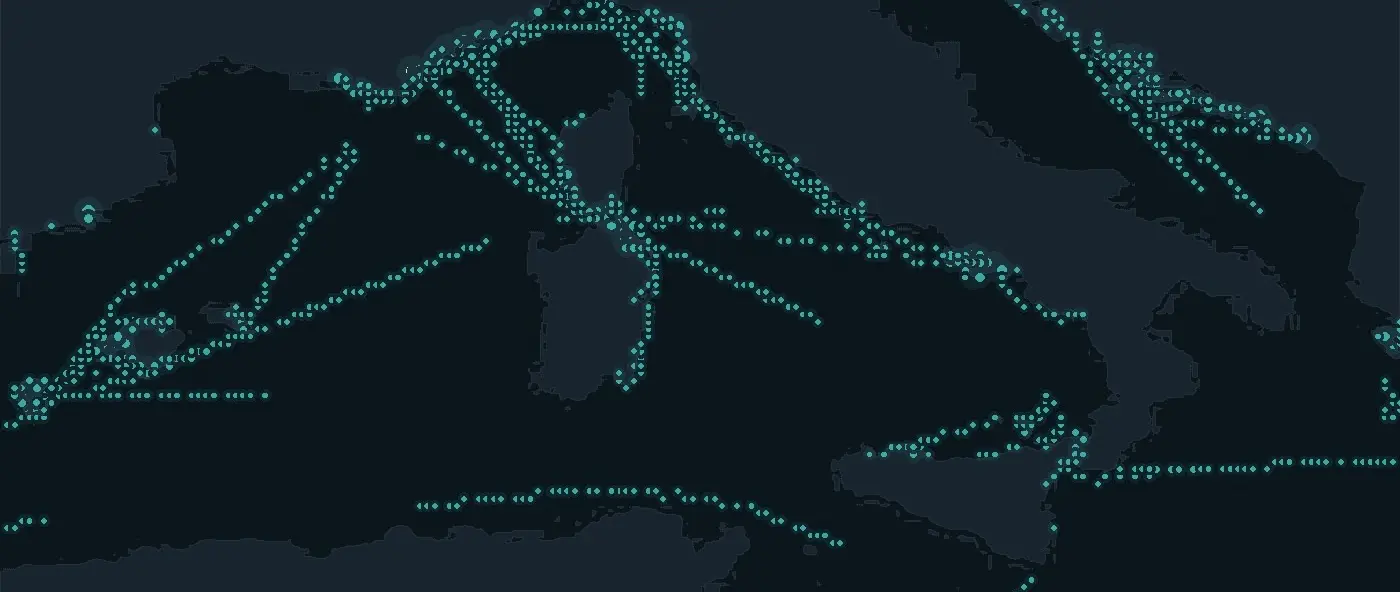
Traffik.ai has launched yacht movement intelligence, citing more than 185 million recorded positions and new analytics for superyacht marinas, brokers and marine service businesses.
Traffik.ai has launched a platform intended to help superyacht businesses examine how vessels move between marinas and cruising destinations. The Fort Lauderdale company's October 14 announcement presents the service as a way for marinas, brokers, shipyards, charter operators and insurers to compare present yacht activity with earlier seasons.
The focus is different from using a public tracking map to locate one boat. Traffik aims to make the history of movements useful for decisions about the location and timing of investment, service capacity and customer engagement, with the important proviso that recorded movements are observations rather than proof of a customer's intentions.
The company says its archive exceeded 185 million recorded vessel positions as of October 13, 2026 and was gathering approximately 1.5 million further observations each day. It said more than 11,900 yachts measuring at least 60 feet were identified, alongside a directory of over 24,000 named destinations, marinas, yards and anchorages.
These are provider-reported figures rather than independently audited fleet or berth counts. The database includes yachts below the 24-metre threshold normally used for superyachts, and coverage is not necessarily continuous for each craft or in every geographic area. Traffik says historical records stretch back to 2022 but availability differs by region and vessel.
A marina operator could compare the number of yachts recorded near its harbour with those that actually visit, looking for periods when passing traffic is particularly strong. A yacht service provider might review regional movements before deciding when to staff a seasonal base or which services may justify local investment.
Such comparisons require more than a chart showing raw positions. A busy week could reflect a yacht show, a weather pattern or a route change, not a lasting shift in demand. The analytical value comes from setting a useful reference period, checking gaps in coverage and separating unusual peaks from repeatable movement patterns.
Traffik describes four service levels named Observe, Predict, Activate and Command. Its own website positions Observe around monitoring and alerts, Predict around forecasts and comparisons, Activate around market outreach and visibility, and Command around enterprise controls and customised connections to internal business systems.
Prospective buyers should establish which functions are delivered in a proposed plan, how location data is updated and which access controls are available. The platform is intended for market and operations analysis, not as an approved replacement for navigational equipment aboard a yacht or the official information required for safe passage.
The company also offers tools that examine how artificial intelligence services describe brands, destinations and marine businesses. Its premise is that physical yacht activity and digital recommendations are two different signals: a destination may attract more yachts without being mentioned frequently in AI answers, or may be discussed online without corresponding traffic.
AI-generated descriptions should not be treated as verified business enquiries, and their contents can change with wording or model behaviour. Likewise, a recorded yacht location does not reveal the wishes, identity or spending plans of the people aboard. Traffik says it distinguishes direct observations from forecasts and AI interpretations.
For a large-yacht manager or marina group, the most important technical questions may concern data gaps, how vessels are identified and the criteria for classifying a marina visit. A position can be accurate yet misleading in a commercial calculation if the sample includes boats passing close to a port but never intending to stop.
Operators should also review how historical traces are accessed and what information can be shared within their organisation. Publicly transmitted navigation data should not be confused with private guest records or confidential charter bookings, and a tracking analytics provider does not automatically have permission to expose other information.
Traffik says commercial demonstrations and enterprise access are available through its official website. The October 14 company release sets out the launch claims and their October 13 reference date, while the website details the product structure.
A business evaluating the service should request a demonstration using its actual cruising area and familiar yachts, then ask to see the underlying records, missing periods and assumptions behind any forecast. The ability to explain what the data cannot establish is as important as the size of the archive being advertised.
Continue reading
Kite Dynamics is testing kite-driven propulsion and energy generation that could eventually supplement the electrical and cruising systems of large yachts.
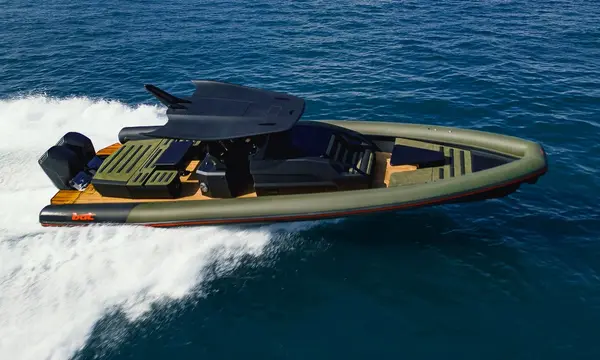
BAT founder Corrado Rizzardi says the 14.1m COMBAT14 will target superyacht chase-boat and tender roles as the historic Italian inflatable-boat brand expands.
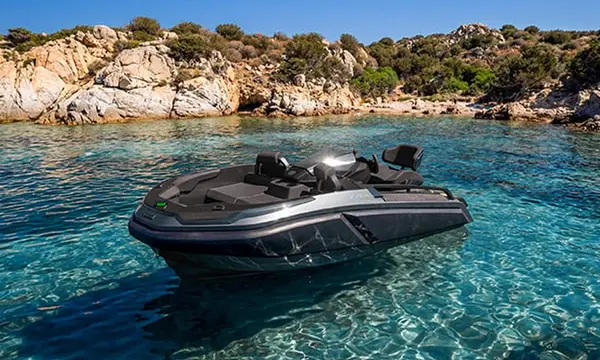
Besnati has detailed its HURLO 325, a compact 330hp jet-powered tender that can double as a superyacht water toy and is designed for garage …
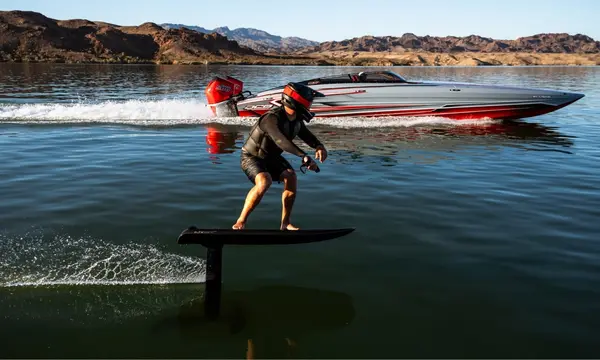
Fliteboard RACE, developed with Mercury Racing's specialist impeller, has received a 2026 Australian Good Design Award, recognising its speed-focused hull and carbon construction.
Superyacht Guide
Continue into the wider Superyacht Guide.
Business opportunities · Superyacht Guide
Companies serving the superyacht market can discuss clearly identified advertising, sponsorship and business-profile opportunities. Commercial activity remains separate from independent editorial coverage.