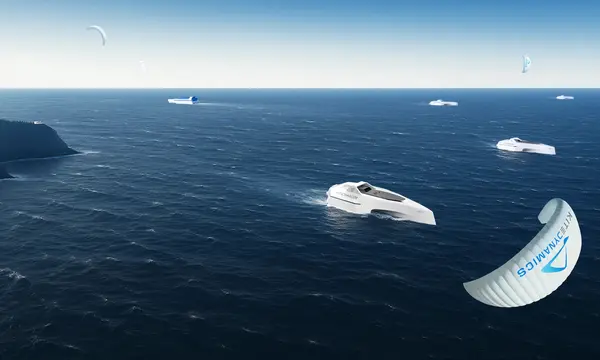
Kite Dynamics Trials Renew Superyacht Wind-Power Debate
Kite Dynamics is testing kite-driven propulsion and energy generation that could eventually supplement the electrical and cruising systems of large yachts.
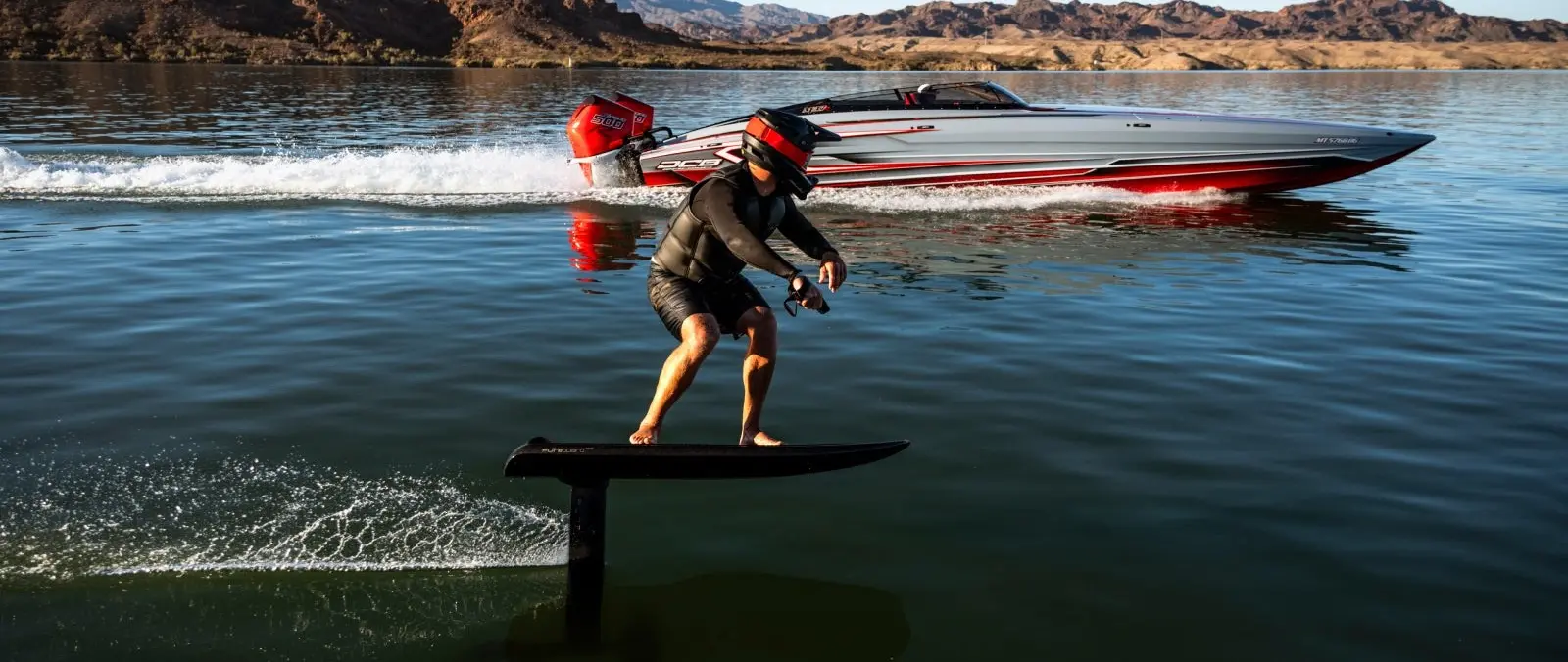
Fliteboard RACE, developed with Mercury Racing's specialist impeller, has received a 2026 Australian Good Design Award, recognising its speed-focused hull and carbon construction.
Electric hydrofoil specialist Fliteboard and its propulsion partner Mercury Racing have received a 2026 Australian Good Design Award for the high-performance Fliteboard RACE. The award was announced on 20 October in the Product Design – Sport and Lifestyle category, acknowledging a board developed primarily for experienced riders who want speed and precision rather than an entry-level recreational platform.
The result is relevant to luxury yacht operators because electric hydrofoils have become part of the premium watersports equipment offered aboard larger yachts. A competition-focused model can interest owners and guests already familiar with eFoiling, but the RACE design has a markedly different operating brief from stable beginner boards typically used during a first supervised lesson.
Fliteboard says the collaboration with Mercury Racing produced a specialised race impeller intended to deliver greater thrust and efficiency at higher speeds. The propulsion team drew on techniques used in high-performance marine equipment while Flite's designers developed the board, foil and rider interface as a coordinated system. The Australian award citation highlights that integrated approach rather than crediting a single component.
The company's separate technical presentation quotes speeds of up to 55 kilometres per hour for the RACE impeller system. That is a maker-stated capability, not a promise that every rider or water condition permits the same speed. Configuration, battery charge, rider mass, wind and water surface can alter both performance and the available operating time.
The award submission describes a longer and narrower board form intended to reduce drag and improve straight-line tracking. Raised rails and a refined rocker help the hull recover when it touches the surface, while the recessed standing area lowers the rider's centre of gravity. Those choices target control at relatively high speed, where small shifts in balance and load can become more significant.
Lightweight carbon construction provides stiffness while limiting mass. The design also uses a race-specific mast position and a raised tail detail that helps riders identify their foot placement without constantly looking down. Fliteboard says testing with experienced riders informed the final shapes; the published award material does not provide independent comparative stability or endurance measurements.
The RACE platform has compatibility with more than one Flitecell battery option, allowing a rider to trade a lighter setup against a different endurance requirement. Choosing a battery is therefore part of configuring the activity, not merely a decision about charging convenience. A longer session does not necessarily suit a rider whose priority is short, competitive high-speed runs.
Fliteboard describes the product as modular, but components should only be mixed according to its current compatibility list. The race impeller's compatibility restrictions are especially important where an owner already has other Flite systems aboard. Crew should verify the precise board, motor, jet and controller combinations before attempting to fit or share parts between them.
The Australian Good Design Awards assess entries against design criteria that include innovation, functionality and their wider effect. The official citation describes Fliteboard RACE's shape, construction and propulsion integration as contributions to a coherent high-performance platform. The award is recognition of that product design rather than a marine certification authorising unsupervised use in any cruising area.
The 2026 award appears in the Good Design organisation's official winners directory. Fliteboard's announcement was circulated through Brunswick's media channels on 20 October, and the manufacturer has also discussed the Mercury Racing collaboration on its own site. These sources are useful for confirming the award, the intended audience and the equipment, while actual on-water performance should be evaluated in appropriate conditions.
For captains and yacht toy managers, a racing eFoil brings practical questions about training, supervision, safe operating areas and retrieval if a rider falls or the board cannot return under power. The greater the potential speed, the more important it is to plan separation from swimmers, tenders, paddleboards and other traffic. Local rules may also affect where powered boards can be used, particularly near beaches and congested anchorages.
Protective equipment, battery-handling procedures and a written guest briefing should remain part of the programme. An owner purchasing the fastest available board will not necessarily improve the experience for guests who have never foiled before; keeping a more stable training model alongside it may be more useful than expecting one product to serve every ability.
The official Australian Good Design Award entry and the Fliteboard and Mercury Racing technical story show how manufacturers are developing electric watersports equipment around increasingly specialised use cases. The focus here is speed, control and an integrated propulsion package rather than expanding the number of riders who can stand up in a first session.
For superyachts carrying an extensive selection of toys, the new distinction is another reason to think about the intended guest profile before ordering. A racing board may be an appealing addition for confident riders, but careful training, maintenance, charging and access arrangements still determine whether it becomes a useful part of life aboard.
The award confirms that the collaboration has been recognised by an established design programme in 2026. It does not establish that the equipment is suitable for all guests, or that the quoted maximum speed is routinely attainable on every yacht itinerary.
Continue reading
Kite Dynamics is testing kite-driven propulsion and energy generation that could eventually supplement the electrical and cruising systems of large yachts.
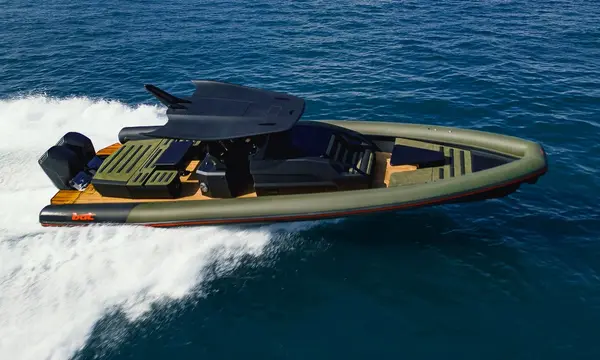
BAT founder Corrado Rizzardi says the 14.1m COMBAT14 will target superyacht chase-boat and tender roles as the historic Italian inflatable-boat brand expands.
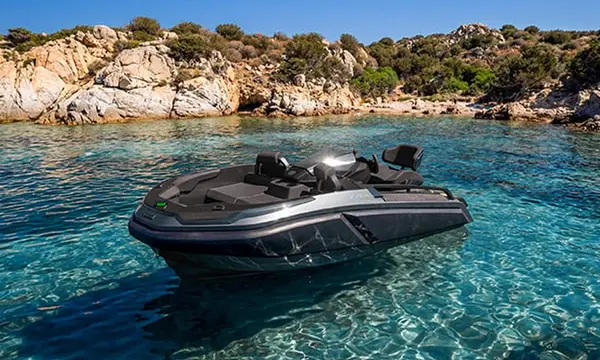
Besnati has detailed its HURLO 325, a compact 330hp jet-powered tender that can double as a superyacht water toy and is designed for garage …

Traffik.ai has launched yacht movement intelligence, citing more than 185 million recorded positions and new analytics for superyacht marinas, brokers and marine service businesses.
Superyacht Guide
Continue into the wider Superyacht Guide.
Business opportunities · Superyacht Guide
Companies serving the superyacht market can discuss clearly identified advertising, sponsorship and business-profile opportunities. Commercial activity remains separate from independent editorial coverage.