HikoTerra Expands Marine Hybrid Power Support Across Eight Regions
HikoTerra adds distributors and technical partners for the modular H⁴ Hybrid Power System, with configurations allowing up to 30kW of inversion and 96kWh of …
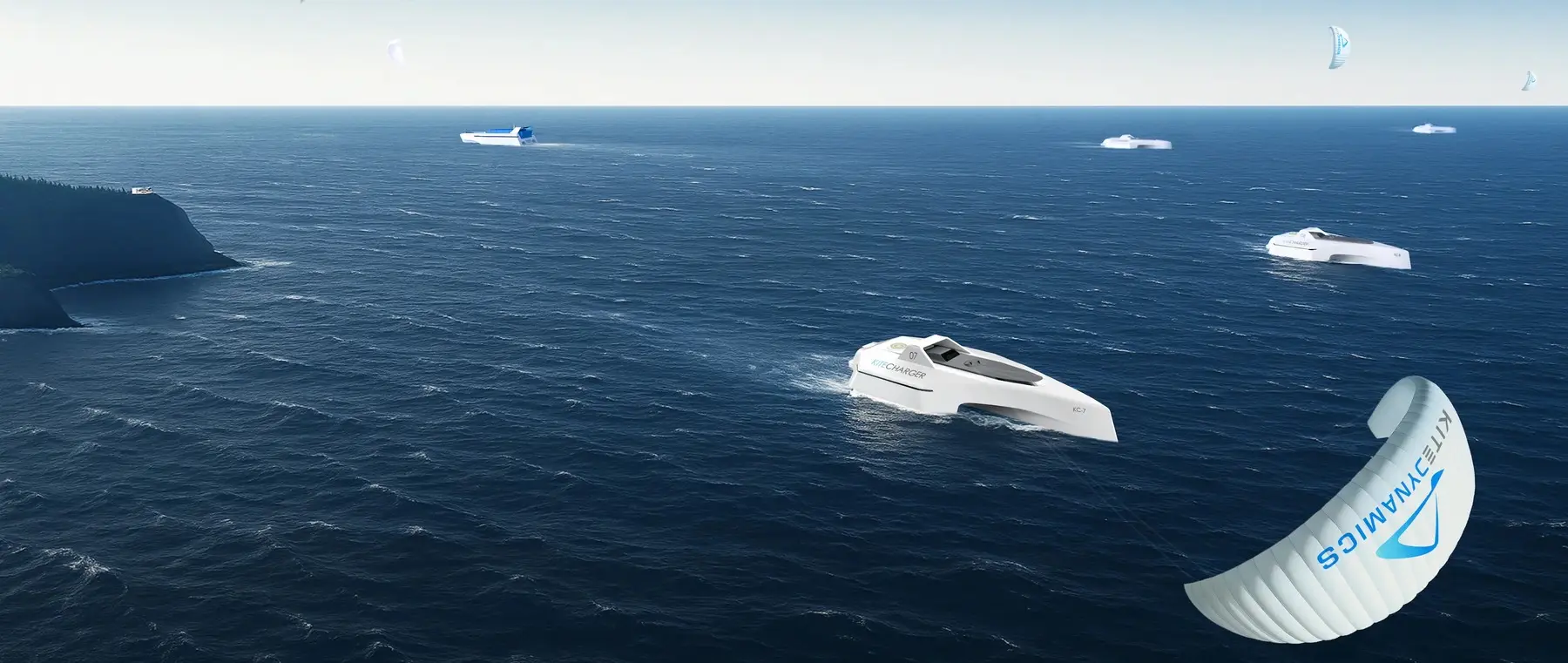
Kite Dynamics is testing kite-driven propulsion and energy generation that could eventually supplement the electrical and cruising systems of large yachts.
New research and sea-trial work from Kite Dynamics and other wind-technology developers is reviving interest in kites as auxiliary power sources for superyachts. A detailed September 24 industry report examined whether automated kite systems could help larger vessels make better use of natural wind, both while moving and while remaining at anchor.
The idea is not to replace every engine on a privately operated yacht with a flying fabric sail. The current proposals focus on supplying useful towing force and potentially generating electricity to supplement the yacht's existing power, with technical development and operational safety still to be established for each installation.
German startup Kite Dynamics is developing KiteDrive for propulsion and KiteCharge for harvesting electricity from kite movement. The power-generation proposal uses controlled repeated movements: a kite pulls a tether out under tension, then changes its aerodynamic shape so that rewinding takes less energy than was generated during the outward stroke.
The company describes this as kite pumping, a process that could help recharge batteries without running a conventional diesel generator throughout a stay at anchor. It remains a developing marine technology, and actual output would depend on wind, tether length, deployment constraints and the vessel's electrical system.
The company's initial 2025 trials used a 15-square-metre kite off Denmark, with a reported increase in test-vessel speed from one knot to approximately 4.3 knots in under a minute under winds around twenty knots. Those trials involved a vessel of roughly eighty tonnes, not a loaded fifty-metre superyacht.
In 2026 a larger sixty-square-metre kite was tested in Portugal, where the same class of test vessel reportedly reached around 6.5 knots. The results suggest the system can generate useful pulling force but cannot be scaled directly into promises about speed or fuel savings for much heavier yachts.
Kite Dynamics' representatives have discussed the possibility that a smaller system could feed around one hundred kilowatts into a yacht's batteries while at anchor. They also envisage modular arrangements that could generate around two hundred kilowatts continuously in suitable wind conditions, though these are stated development aims rather than independently proven commercial guarantees.
That distinction matters because luxury yachts use electricity for air-conditioning, refrigeration, lighting, stabilisers and many other hotel services. An additional renewable source may be attractive, but yacht managers would need a realistic assessment of available wind across their cruising area and the battery capacity required to store intermittent output.
The Kite Dynamics approach uses four control lines operated through captive winches and gearboxes rather than a simple single-line towing attachment. The arrangement is intended to change the wing's shape in flight while improving launch, retrieval and control over the aerodynamic forces involved.
The kite itself combines a fabric surface with an internal Dyneema support structure designed to manage large tensile loads. Engineers still have to demonstrate reliable automated handling in the changing wind, wave and vessel-motion conditions associated with ordinary cruising.
French developer Beyond the Sea is also testing kite-assisted propulsion, with systems intended for both commercial vessels and larger private craft. Its SeaKite range has been proposed for vessels above twenty metres, while DynaKite is designed for smaller boats.
One demonstration involved a one-hundred-square-metre kite on a 161-metre chemical tanker in 2025. That provides experience in commercial maritime operation, but a luxury yacht has different deck layouts, guest expectations, wind profiles and crew skills that must be taken into account before transferring a solution.
Developers suggest that a modular kite installation could be placed toward the bow, potentially with winches and control equipment arranged below deck. This might allow a propulsion aid without radically changing a yacht's overall silhouette, although tenders, helidecks and foredeck operations can compete for the same space.
A live installation would require a hazard assessment for launching, retrieval, tether failure, airspace, other marine traffic and heavy-weather operation. A system should not be treated as commercially ready for any particular superyacht merely because smaller prototypes have demonstrated pulling power.
For an explorer that spends considerable time offshore or at anchor, an auxiliary renewable-energy system may eventually offer an interesting way to reduce engine running hours. The commercial case will depend on the completed equipment, tested output, maintenance burden, yacht operating schedule and comparison with other hybrid power choices.
The September technical review in Superyacht Technology provides the reported sea-trial figures and the developers' proposals. Kite Dynamics' official website shows the company's technology and original imagery. The accompanying picture is from the supplier itself, illustrating a technology proposal rather than a completed superyacht installation.
Continue reading
HikoTerra adds distributors and technical partners for the modular H⁴ Hybrid Power System, with configurations allowing up to 30kW of inversion and 96kWh of …
IMSO opens its 30th Assembly in London with delegates from 112 Parties reviewing GMDSS satellite distress service resilience and LRIT performance.
Sharp prepares to demonstrate its MEO/LEO tracking satellite user terminals at CEATEC 2026, with marine vessels among the planned mobile use cases.
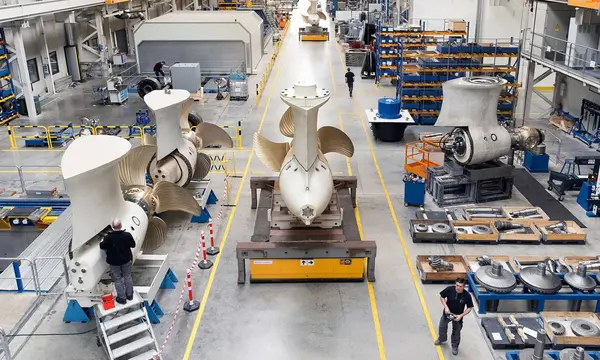
Schottel reports 20 superyachts on order with its forward-facing EcoPeller azimuth propulsion system, highlighting efficiency, manoeuvrability and reduced onboard noise.
Superyacht Guide
Continue into the wider Superyacht Guide.
Business opportunities · Superyacht Guide
Companies serving the superyacht market can discuss clearly identified advertising, sponsorship and business-profile opportunities. Commercial activity remains separate from independent editorial coverage.