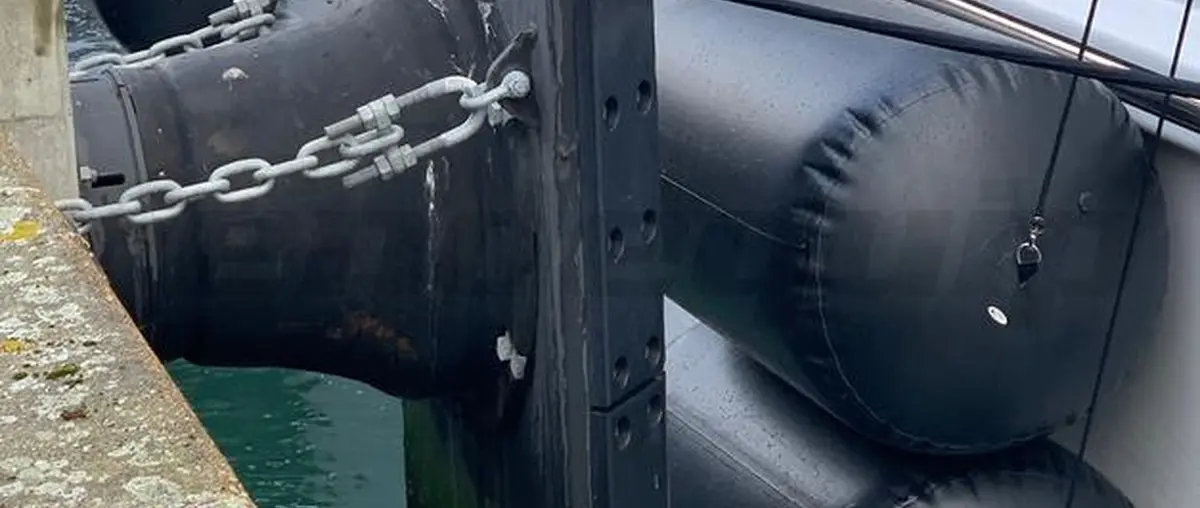
Fendequip Highlights Inflatable maxiStow Fender Systems for Large Superyachts at METSTRADE
By Superyacht Guide Newsroom · Edited by Superyacht Guide Newsroom
Fendequip UK maxiStow inflatable superyacht fender original product photography 2026
Fendequip showcases UK-made maxiStow inflatable superyacht fenders at METSTRADE 2026, focusing on hull protection, stowage and crew deployment.
British marine-equipment manufacturer Fendequip is presenting its maxiStow inflatable fenders to international buyers through the METSTRADE 2026 exhibitor catalogue, promoting a range of protective equipment intended for vessels from smaller leisure boats to substantial superyachts. The company, which manufactures in Somerset, describes customisable sizes, materials, shapes and colours, with inflatable products designed for comparatively straightforward deployment and stowage. Although maxiStow is part of an established product offering rather than a confirmed brand-new November launch, the current exhibition focus highlights an operational challenge familiar to crews of large yachts: protecting highly finished topsides during berthing without sacrificing excessive deck or locker space to bulky equipment. The real value of a fender lies not in its colour or its name but in whether it is sized, positioned, maintained and handled correctly for the individual yacht and the quay it encounters.
A large yacht may berth alongside concrete quays, floating pontoons or another vessel, and its protective system must manage the local geometry and movement between surfaces. High winds, wake, tide and mooring-line changes may alter how contact forces develop during a stay. A fender with an attractive appearance will not protect an expensive painted hull if it is undersized or placed at the wrong height. The crew must consider the yacht's displacement, freeboard, expected contact locations and the condition of the berth. The fender system also has to suit the operating procedure for that destination. A yacht that uses an exposed Mediterranean port may have different needs from one normally lying in a sheltered marina. Selection should follow the supplier's technical recommendations and the captain's risk assessment, rather than a generic rule about vessel length.
Fendequip's official product presentation says maxiStow inflatable fenders are made in the United Kingdom and offered in a wide variety of sizes, materials, shapes and colours. The manufacturer presents them as a practical solution intended to be inflated and deployed when required. The public listing does not provide a single universal pressure rating, energy-absorption figure or approved maximum vessel size. Those details must come from the current data sheet for the exact fender. Owners should also distinguish between the inflatable body, any protective cover and the ropes or straps used to secure it. The correct package is more than the inflatable component alone. It includes handling and stowage arrangements suited to the yacht's deck layout and the mooring operation.
A vessel may need several large fenders to protect its hull at a berth, yet spare deck space is valuable and exterior lockers may already contain gangways, cleaning equipment and safety gear. An inflatable product may be easier to store when deflated than a permanently rigid fender of comparable deployed dimensions. The actual saving depends on material thickness, folding requirements and the pump or inflation equipment needed. A claim of compact storage should therefore be evaluated using the number and sizes the yacht actually carries. A yacht may also need to keep some fenders ready for immediate deployment rather than pack every item away after leaving a marina. An intelligent stowage plan balances the advantages of deflation against the need to respond quickly if conditions change.
A superyacht may enter and leave several ports within a short itinerary, often with only a small deck team immediately available for fender handling. An inflatable system introduces the need to prepare, inspect and inflate units before they can be positioned. The time required will depend on available compressors, connections and the number of fenders needed. A good operating plan should establish when inflation begins, who checks the condition of each item and where it is staged safely. Crew should avoid moving unsecured large equipment around the foredeck during a demanding manoeuvre. If a berth requires an urgent change of position, a fully deflated fender is not instantly available for use. Captains should therefore retain a practical reserve and train staff in the complete sequence rather than assess an individual product by its folded size alone.
An inflatable fender relies on the properties of its material and internal pressure to function as intended. Too little pressure may alter its shape or ability to manage contact, while excessive pressure can place unnecessary stress on the structure. The supplier should specify approved inflation limits and any relevant adjustment for temperature or operating conditions. It would be misleading to assume that a harder fender necessarily provides greater protection to a delicate painted surface. The actual contact area and the way forces are transmitted matter. Before use, crew should inspect for damage, leaks and deterioration. A yacht that frequently travels between climates may also need clear procedures for checking pressure after a major change in temperature. Correct inflation is part of the equipment's safe operation, not a cosmetic detail.
A broad product range can help owners choose fenders for different areas of the hull. Some yachts have nearly vertical topsides, while others carry pronounced flares, spray rails or unusual hull forms close to the berth. Swim platforms and sea terraces can also create vulnerable contact points. The designer or captain should identify those areas and ask the manufacturer which shape and dimensions are appropriate. A single standard cylindrical fender may not provide ideal protection at every location. In some cases, specialist transom or flat-surface protection may be required in addition to the inflatable cylinders. Fendequip's portfolio includes other products for such situations, but they should not be confused with the maxiStow range being discussed here. The specification should list individual locations and the protection required at each.
Fender lines, attachment points and their adjustment are integral to a successful system. If the fender moves out of position, the hull may become exposed at precisely the moment when protection is needed. The crew should use suitable attachment arrangements and account for chafe, knot security and the movement of the yacht relative to the quay. Lines should not create a trip hazard or interfere with a gangway or emergency route. Some fenders may need to be positioned well below the rail, making lowering and retrieval demanding for crew. A large inflatable unit can also be awkward to control in wind. Safe handling equipment and procedures may be necessary, particularly on yachts with high freeboard. The manufacturer should be asked about appropriate fittings and safe lifting or hauling arrangements for the specified models.
The exterior finish of a modern superyacht can be extremely costly to repair, especially where large areas of fairing and paint must be matched. Fenders should reduce the chance of direct contact, but they can also cause marks if contaminated or fitted with unsuitable covers. Fine sand, salt crystals or dirt trapped between a fender and the hull may damage the surface under repeated movement. Crew should therefore keep the relevant materials clean and inspect the contact areas. Different hull coatings may have their own restrictions concerning protective coverings or cleaning agents. A bespoke cover may improve appearance, but its material should be approved for use against the actual finish. The owner should consider the cost of maintaining clean fender equipment as part of the wider topside-protection programme.
Fendequip also promotes superyacht fender covers in materials including acrylic wool and its maxiPrene range. These can be styled to match the yacht and may help reduce rubbing noise or marking under appropriate conditions. Covers must nevertheless be evaluated for fit, durability and any effect on the fender's operation. A cover that looks excellent in a product photograph may be unsuitable if it traps abrasive contaminants or slips from its intended position. The primary function of a fender remains protection of the hull. Owners should treat colour, branding and custom embroidery as secondary choices made after the technical requirement has been established. A clean, well-maintained system can support the overall appearance of the yacht without allowing styling decisions to compromise protection.
A charter yacht may visit unfamiliar berths, sometimes with changing levels of exposure and little opportunity to adapt equipment once the approach has begun. The deck team should maintain an inventory of fenders in known condition and establish which are used at different locations. It may also be sensible to retain a contingency plan for a damaged or leaking unit. Spare valves, repair materials and the correct inflation tools can be useful if approved by the manufacturer. A replacement fender may not be available immediately in every cruising region, so the owner should consider international support and lead times. Equipment that saves storage space can still add administrative work if it requires a specialist process to repair. The planned-maintenance system should identify the model, purchase date and recommended inspection method for each unit.
The relationship between a yacht and its tenders introduces additional risks. Guest craft may approach a bathing platform frequently, and the relevant contact geometry is different from a yacht lying against a fixed quay. Smaller fenders or purpose-built transom protection may be more appropriate for those interactions than the large cylinders used when berthing the mother ship. Fendequip advertises other components for transoms and platforms, but the correct product depends on the arrangement. The captain should define which craft are allowed to approach, how they are controlled and where fenders are placed during transfers. No fender can compensate for an unsafe approach speed or unclear communication between drivers and deck personnel. Good equipment and disciplined tender procedures must work together.
An inflatable fender needs routine inspection for wear, pressure loss and damage to its fittings. Covers and lines may also require cleaning or replacement. Crew should check surfaces likely to rub against the hull and examine any area where seams or attachments show signs of stress. The manufacturer should provide the proper cleaning and repair method for the chosen material. It may be tempting to repair a leaking unit using generic equipment, but unapproved adhesives or patch materials may not be suitable. A maintenance record can help managers identify repeated failures or size selections that are not working well. The goal is to keep the protective equipment in a condition the crew can trust rather than discover a problem only when the yacht is entering a congested marina.
Where the yacht's size and itinerary justify it, the captain can review the fender arrangement using drawings or photographs of likely berths. The deck team can rehearse positioning, inflation and recovery at a safe location before a particularly challenging call. A suitable plan considers quay height, tides, vulnerable hull features and the position of mooring lines. It should also allow for changing conditions during the stay. The yacht may need to move a fender after the vessel has settled, so the crew must understand how to make that adjustment safely. A manufacturer can supply equipment designed for a demanding marine environment, but the vessel's operating knowledge is what turns a collection of fenders into a coherent protection system.
Fendequip's METSTRADE 2026 profile describes a British manufacturer producing bespoke superyacht mooring equipment with international technical agents. Such specialist suppliers form an important part of the global yacht supply chain, often addressing practical problems that attract less public attention than propulsion or exterior styling. The availability of multiple inflatable sizes and custom finishes gives owners options, but each project still needs a defined technical specification and adequate support. The manufacturer does not describe the complete maxiStow line as a new launch in November 2026; the current story is its continued presentation to an international professional audience. For owners and captains, that is an opportunity to review fender practice before the next season rather than to assume that every established product has suddenly become new.
Fenders can appear to be among the simplest items carried by a superyacht, but their failure or poor positioning can result in expensive damage. The maxiStow range offers a particular combination of inflatable construction and custom specification that may suit large vessels with restricted storage. The right decision requires attention to the hull, the expected berths, deployment procedures and the maintenance capability of the crew. Buyers should ask for suitable dimensions and documented operating limits, rather than relying on a general claim that a product fits yachts of all sizes. The strongest outcome is a protective system that is ready when needed, easy to handle safely and appropriate to the yacht's particular design. That remains the practical standard against which any marina equipment should be judged.
Primary source: Fendequip — official maxiStow Inflatable Fenders METSTRADE 2026 product listing.
Original manufacturer product photograph: Fendequip maxiStow inflatable fenders, official METSTRADE 2026 supplier catalogue. Official source.
Explore
Go deeper into the yachts, companies, events and destinations directly connected to this article.
Continue reading
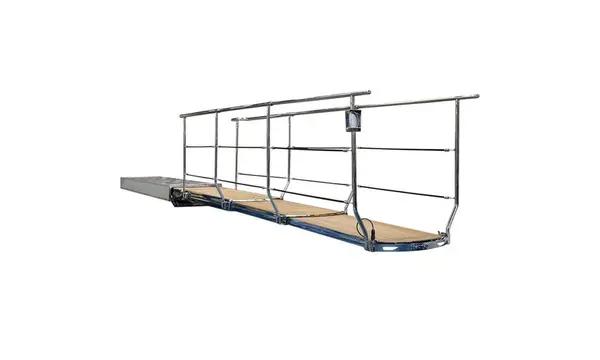
Opacmare details VIPER 1181 stainless-steel telescopic gangways with hydraulic actuation, multiple sections and a 150kg boarding limit at METSTRADE for crews.
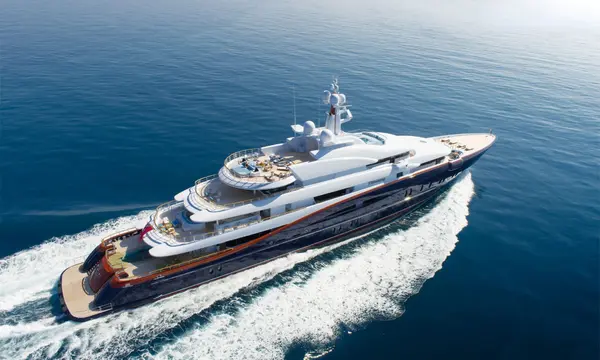
MarQuip marks 25 years of specialist exhaust engineering, tracing its development from wet-exhaust technology to compact emissions systems for superyachts.
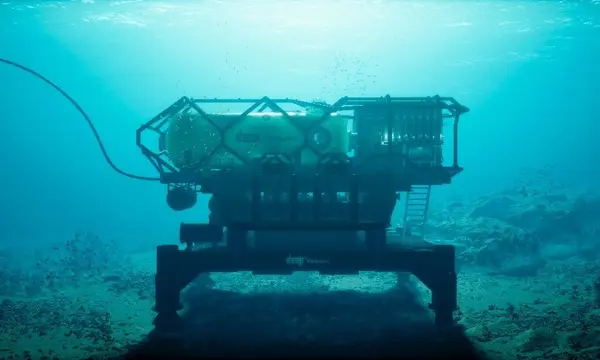
Triton Submarines provided engineering and integration assistance for DEEP's Vanguard human habitat, installed 17 metres underwater at Tennessee Reef in the Florida Keys.
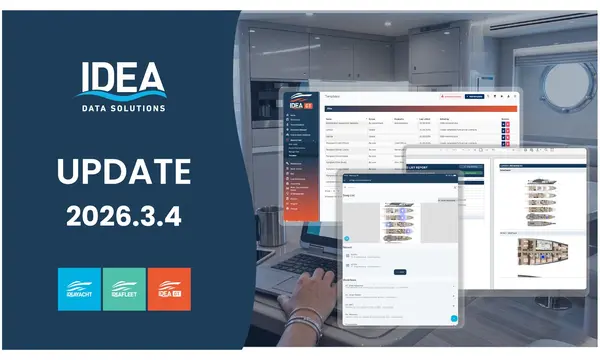
IDEA Data Solutions release 2026.3.4 introduces structured purchase and work-order wizards, crew Hours of Rest improvements and tablet-friendly yacht management software.
Superyacht Guide
Continue into the wider Superyacht Guide.
Business opportunities · Superyacht Guide
Companies serving the superyacht market can discuss clearly identified advertising, sponsorship and business-profile opportunities. Commercial activity remains separate from independent editorial coverage.
