Freire Begins 65m Yacht Support Vessel With Schwalgien Design
By Superyacht Guide Newsroom · Edited by Superyacht Guide Newsroom
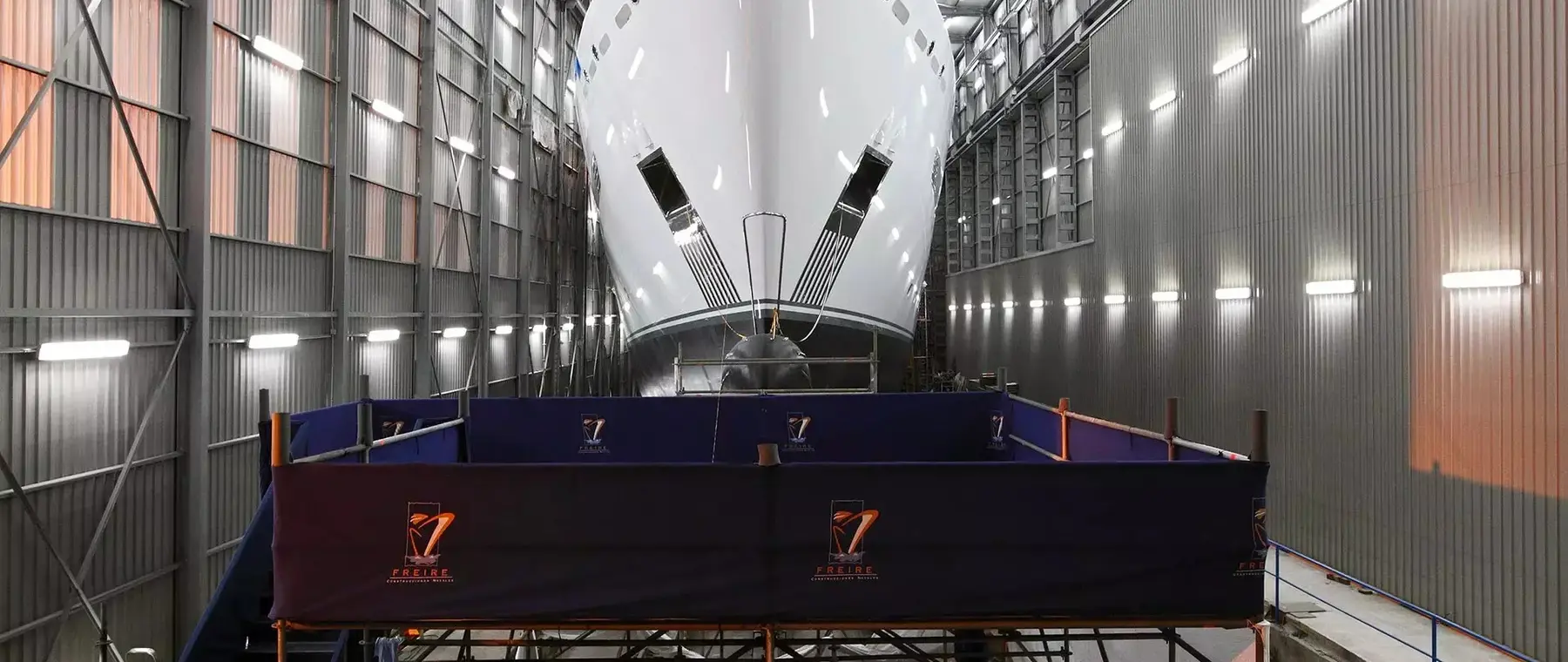
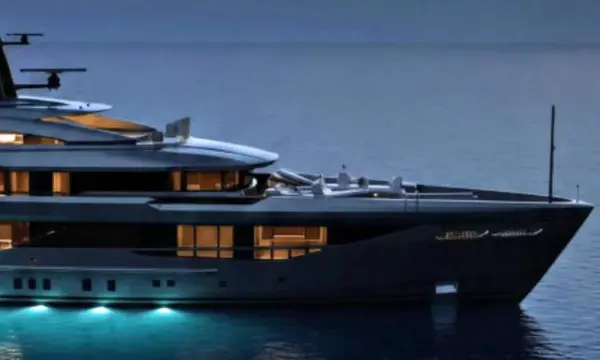
Freire Shipyard official facilities photograph, illustrative of 65m NB746 build in Spain
Freire Shipyard has started a 65m support yacht project with Schwalgien Yacht Design, a 13m beam and reported 2028 delivery target.
Spanish shipbuilder Freire Shipyard is constructing a 65-metre yacht support vessel with exterior styling by Schwalgien Yacht Design, following a project announcement on 19 November 2026. Industry reporting identifies the new vessel as Freire NB746 and indicates delivery is planned for 2028. The project brings together a specialist support-vessel designer and a yard experienced in complex commercial and custom construction. YachtBuyer records a length of 65 metres, a beam of 13 metres and an estimated internal volume of approximately 1,920 gross tons, but those figures should be confirmed against the evolving project documentation before being treated as final as-built specifications. The construction news is significant because support yachts play a distinct role alongside large superyachts, carrying equipment, offering additional facilities and providing flexibility that may not be achievable aboard the owner's principal yacht.
The essential difference between this announcement and a speculative rendering is that construction has begun at Freire. The Barcelona-based Schwalgien Yacht Design studio has confirmed its involvement, while published fleet information points to a 2028 delivery target. A construction start establishes tangible progress, but it is not a launch, a completed sea trial or a handover. Those stages will depend on the yard's programme and on the testing and approval process associated with the vessel.
Not all technical details have been disclosed, and that gap should remain clear in news coverage. The project's intended equipment complement, passenger numbers, helicopter arrangements and exact relationship with a mothership should not be inferred from photographs of other support yachts. The responsible reporting position is to distinguish what is confirmed about the builder, length and designer from what remains to be specified.
Freire's experience extends across commercial vessels and large custom projects, making it a plausible industrial partner for a yacht with an unusually demanding service brief. Schwalgien Yacht Design has specialised in the forms and operational arrangements of large support craft. Its founder, Kirsten Schwalgien, has described the collaboration as bringing together the firm's design experience and the shipyard's capability to construct complex vessels.
Such a partnership involves more than developing a recognizable exterior silhouette. A support yacht needs a coordinated arrangement of hull, accommodation, equipment handling, machinery and deck working areas. The project team must also understand how the vessel will be used by the people who operate it. A naval architect and shipbuilder will have to resolve structural and technical requirements that are not apparent in a design rendering.
A conventional superyacht combines guest accommodation, leisure facilities and technical systems in a single structure. A support vessel can move some functions to a second hull, potentially creating more space aboard the principal yacht or allowing the owner to deploy specialist equipment separately. Depending on the brief, the support ship might be used for tenders, expedition gear, diving systems, crew facilities or logistical operations. The actual scope of Freire NB746 has not been published in full and should not be assumed.
The distinction matters because a support vessel should be evaluated for operational efficiency as well as visual compatibility with a larger yacht. It may need to meet the mothership at different locations, carry equipment that imposes unusual loads or operate independently when the main yacht is occupied by guests. Those demands can justify a different hull form and deck arrangement from the one selected for a vessel intended principally for private leisure.
The published fleet specification gives Freire NB746 a 13-metre beam and an approximate volume of 1,920 gross tons. Gross tonnage is a measure related to enclosed volume, rather than the weight or displacement of the vessel. A relatively wide support-yacht hull can create useful internal and working spaces, but the distribution of that volume matters more than the headline figure for day-to-day operations.
Project representatives should examine the intended balance among machinery, fuel, crew accommodation, storage and service areas. A support yacht whose enclosed spaces are dominated by equipment may offer fewer guest facilities than another yacht of comparable gross tonnage. Buyers should therefore avoid comparing it with luxury motor yachts purely by length or volume. These measures identify scale, while the general arrangement and technical specification explain how the hull is intended to be used.
Industry fleet information describes a displacement steel hull and aluminium superstructure, a common combination for sizeable vessels where strength, weight distribution and maintainability are important design considerations. The effectiveness of the structure will depend on the engineering, fabrication procedures and the way different components are joined. Appropriate corrosion protection and inspection access need attention throughout construction and operation.
Support vessels can be subject to particularly demanding working routines because equipment must be transported and secured, and decks may be used for more than conventional leisure activities. Maintenance planning should be integrated into the original design, including routes for replacing large components. A sophisticated support ship can spend many days away from a main service base, which makes reliability and the ability to diagnose faults essential.
Schwalgien Yacht Design has previously been associated with the exterior of NEBULA, the 68.2-metre catamaran support vessel built by Astilleros Armon. That earlier work is a useful point of context for the firm's specialization, but it would be incorrect to treat the new Freire project as an identical sister ship. Different owners, vessel forms and operational requirements can lead to radically different internal arrangements, even where the overall length is similar.
The new vessel provides an opportunity for the design studio to apply experience from earlier projects to a separate brief and construction environment. Evaluating that work will require more detailed information when it is made available. In particular, the loading and handling of tenders or other equipment should be reviewed through actual drawings and operating specifications rather than inferred from a designer's previous yacht.
One challenge on a yacht support vessel is coordinating the use of deck space. An area that appears empty in a rendering may ultimately be required for the handling of equipment, circulation or emergency access. Every crane, hatch and securing point needs appropriate structural support. Crew must also be able to move safely when equipment is being launched, retrieved or serviced.
Freire NB746's specific handling equipment has not been confirmed in the source material reviewed, so no claims should be made about helicopter capacity, tender dimensions or crane ratings at this stage. These are precisely the areas where additional information will be most helpful as construction advances. A technical announcement setting out the designed loads and operating arrangements would provide a clearer measure of the vessel's practical capability.
Owners considering a support yacht must think beyond the capital cost of the additional hull. Two vessels may require separate crews, maintenance arrangements, insurance, berths and regulatory compliance. Coordinating itineraries can be complex if the support vessel moves at a different speed or requires access to facilities unavailable to the mothership. The additional flexibility therefore comes with responsibilities that should be assessed before commissioning such a project.
Support vessels can nevertheless provide valuable options. They may allow a larger range of excursions, carry equipment that would otherwise compromise guest areas or support specialist operations with appropriately trained crew. The operational brief needs to specify which benefits are actually required. Without a clear plan, the owner risks acquiring another vessel whose capability is underused or whose operating costs outweigh the advantages.
A delivery planned for 2028 suggests a construction programme extending over multiple seasons. During that period, design decisions will be converted into installed equipment and tested systems. The project will require attention to documentation, commissioning and the approvals appropriate to the intended operation. As the vessel progresses, future reporting should distinguish the completion of structural work from sea trials and final acceptance.
Changes can occur during construction, and early specifications may evolve before delivery. The current information is sufficient to identify an interesting support-yacht project, but not to claim that every proposed capability is finalized. Buyers and industry observers should follow the yard's subsequent announcements for evidence of actual progress and the eventual operating configuration.
The Freire and Schwalgien collaboration places another substantial project into a segment of yachting where specialist operational capability is often as important as luxury styling. The available information confirms the start of a 65-metre build, the designer's involvement and a 2028 target. The associated dimensions indicate a serious working vessel, while much of the detailed brief remains private.
For the superyacht industry, this is a meaningful construction announcement rather than merely an attractive concept. Its future significance will depend on how effectively the builder and designer integrate working areas, crew facilities, equipment handling and seagoing performance. Those outcomes are not established by the current information, but the project is now one to watch as it moves from design and fabrication towards eventual sea trials and delivery.
Primary source: YachtBuyer Freire NB746 project profile, confirmed 2026 construction, corroborated by 19 November 2026 Schwalgien press announcement.
Illustrative shipyard photo: Freire Shipyard official facilities media. The vessel shown in the yard is not identified as NB746. Official source.
Explore
Go deeper into the yachts, companies, events and destinations directly connected to this article.
Continue reading
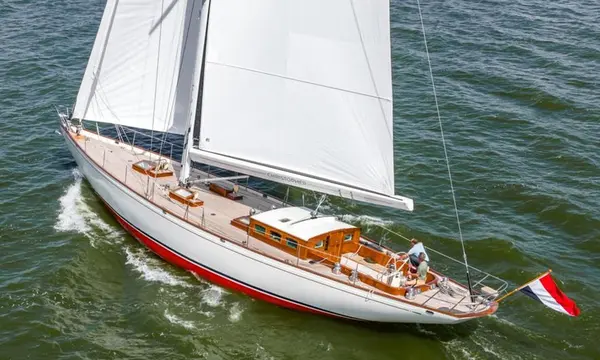
KM Yachtbuilders advertises second-quarter 2027 refit capacity in Makkum, highlighting the planning, scope and survey needs of 24–30-metre yachts.
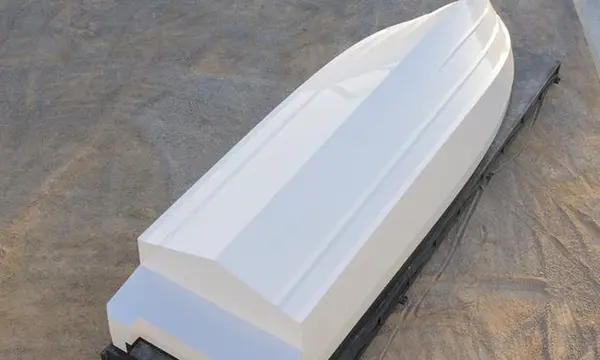
METYX promotes composite plug and mould production services in Türkiye and Hungary at METSTRADE 2026, focusing on precise tooling for yacht construction.
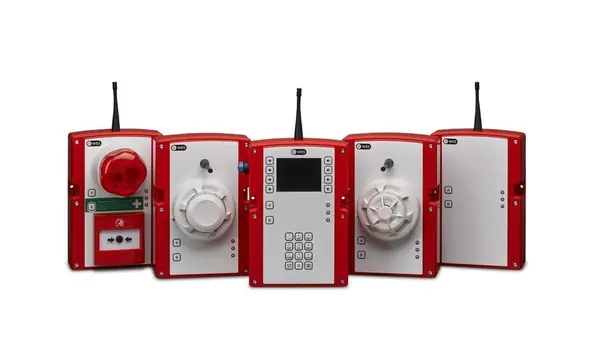
LGM and Ramtech present WES wireless smoke, heat and manual fire detection for changing superyacht refit sites, with REACT app alerts for yard managers.
Bilgin Yachts sells its third 52m Bilgin 170 superyacht, Project APOGEE, securing the final 2027 delivery slot with a summer handover planned.
Superyacht Guide
Continue into the wider Superyacht Guide.
Business opportunities · Superyacht Guide
Companies serving the superyacht market can discuss clearly identified advertising, sponsorship and business-profile opportunities. Commercial activity remains separate from independent editorial coverage.
