Company
Pantaenius Yacht Insurance
Explore the company profile and related Superyacht Guide coverage.
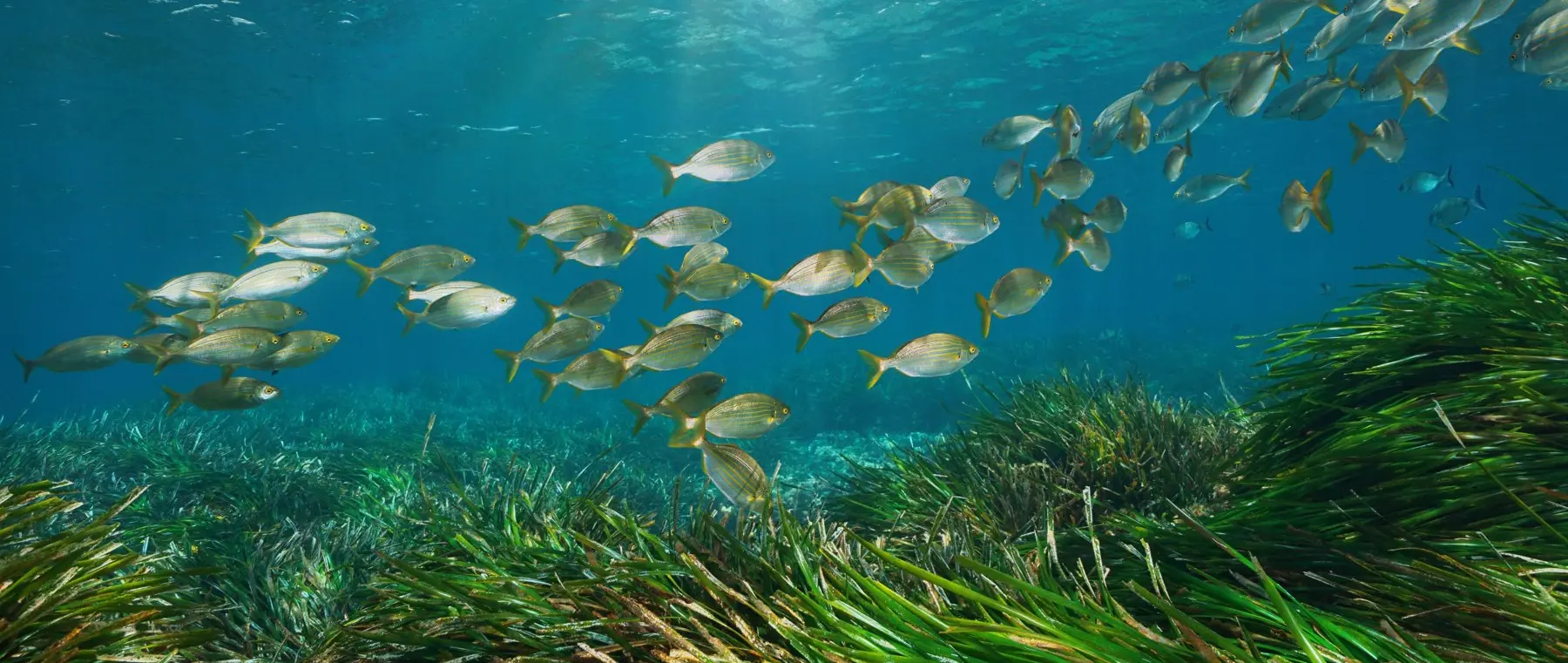
Image: Pantaenius
Pantaenius highlights French court penalties for anchoring in protected Posidonia zones, underlining stricter enforcement for yachts over 24 metres.
Pantaenius has highlighted a series of French court decisions involving yachts anchored in protected Posidonia zones along the Mediterranean coast. One 26-metre yacht case led to a €20,000 fine and a one-year sailing ban in French waters, followed by a civil award for ecological and moral damages.
The insurer also cites a separate 51-metre yacht case in which fines and compensation were imposed for similar conduct. These historical rulings are relevant to current cruising because they demonstrate how seriously French authorities can treat prohibited anchoring in sensitive seagrass areas.
The article points to French Mediterranean rules prohibiting yachts over 24 metres from anchoring in defined Posidonia zones unless using permitted alternatives such as buoys, organised anchorages or suitable operational methods. Additional notification or authorisation requirements can apply to larger yachts, depending on length and location.
Captains should rely on current French maritime authority notices and charted restrictions rather than treating a secondary summary as the controlling legal text. Local rules can change and individual anchorages may have different requirements.
Pantaenius identifies tools such as DONIA and Medtrix for locating habitat information, eco-moorings and sandy areas that may reduce the risk of damaging seagrass. It also notes the growing use of anchor-monitoring technology that can warn crew when an anchor begins to move.
Technology can support a bridge team, but it does not replace proper passage planning, visual assessment or local advice. The safest anchoring choice still depends on weather, seabed, vessel size and the rules applying at the exact position.
The insurer explains that liability coverage may respond differently depending on policy wording, circumstances and whether a breach was accidental. A yacht may also face detention or other operational consequences while authorities resolve an incident, making prevention more important than relying on insurance after the event.
This article reports Pantaenius' published guidance and court examples rather than giving legal advice. Superyacht Guide has linked the existing Pantaenius record and recommends captains confirm current rules with authoritative local sources.
Explore
Go deeper into the yachts, companies, events and destinations directly connected to this article.
Company
Explore the company profile and related Superyacht Guide coverage.
Continue reading
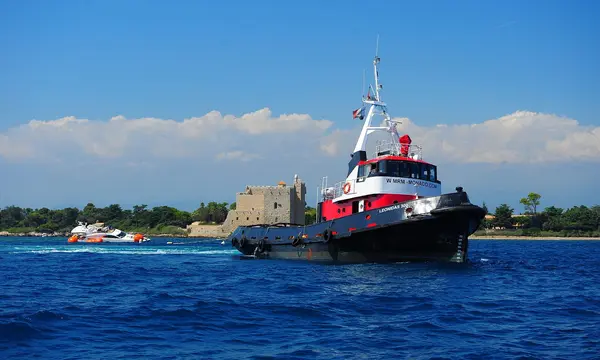
A Pantaenius grounding case shows why captains should involve insurers early and avoid casually disclosing a yacht's insured value during salvage negotiations.
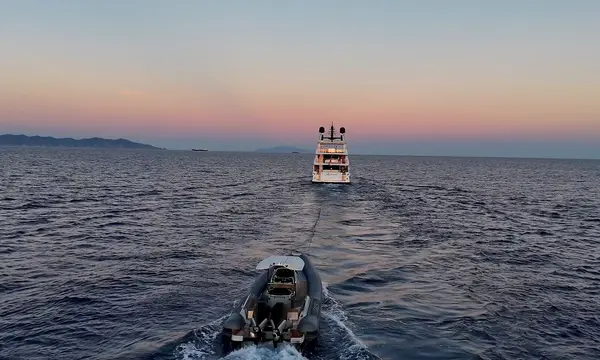
Captain Jonathan Chell says a dedicated Yacht Trace system monitored ANDIAMO's tender position, bilge activity and battery condition during a 900nm passage.

Superyacht insurance premiums are individually underwritten rather than set by a universal percentage. We explain hull, liability, claims, deductibles and war-risk cover.
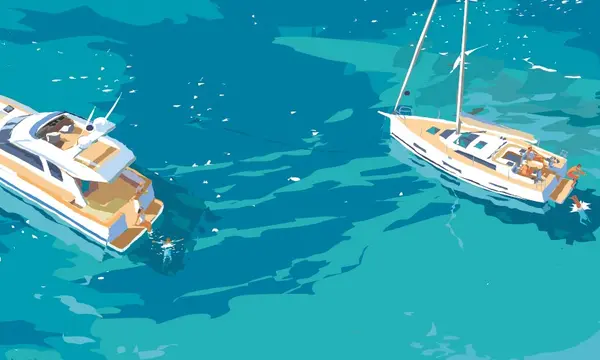
Pantaenius will reduce the deductible by 50% on qualifying collision, grounding or stranding claims when a professionally installed continuous anchor-monitoring system is operating.
Superyacht Guide
Continue into the wider Superyacht Guide.