Company
Pantaenius Yacht Insurance
Explore the company profile and related Superyacht Guide coverage.

Image: Pantaenius
Pantaenius will reduce the deductible by 50% on qualifying collision, grounding or stranding claims when a professionally installed continuous anchor-monitoring system is operating.
Pantaenius has introduced a new yacht-insurance provision that will reduce the deductible by 50 per cent on qualifying collision, stranding or grounding claims where the loss results from an anchor slipping or coming loose from the seabed. The change takes effect from September 2026 and links a tangible insurance benefit to the use of continuous anchor-monitoring technology.
The provision is not triggered simply because monitoring equipment is carried on board. Pantaenius requires the system to be technically functional at the time of the incident, installed by a specialist company and operating continuously while the yacht is at anchor.
The technical requirement includes continuous GPS monitoring together with, at minimum, movement data from a sensor attached to the anchor or its chain. Where those conditions are satisfied and an anchor slips or comes loose before a collision, grounding or stranding, the deductible stated in the yacht's policy schedule can be reduced by half.
Pantaenius names Swiss Ocean Tech's AnchorGuardian as an example of technology capable of meeting the new provision. The system monitors movement at the anchor or chain rather than relying solely on the yacht's position, giving the bridge team another source of information about what is happening below the surface.
The insurer has been following the development of AnchorGuardian for some time, including its earlier demonstrations and certification work. The new insurance wording goes a step further by recognising qualifying continuous monitoring within the financial terms of a claim rather than treating it only as an operational safety aid.
Pantaenius is explicit that continuous anchor monitoring does not replace professional judgement, established anchor-watch procedures or the responsibilities of the captain and crew. Selecting the anchorage, assessing weather and seabed conditions, setting the anchor correctly and maintaining an effective watch remain fundamental parts of safe yacht operation.
The significance of the new provision is therefore not that technology takes over an established seamanship task, but that verified real-time monitoring can now influence the financial outcome after a qualifying incident. That gives owners and managers an additional commercial reason to consider professionally installed systems as part of a yacht's wider risk-management strategy.
For the superyacht sector, the change is a practical example of insurers responding to onboard data and loss-prevention technology with specific policy terms. If similar approaches become more common, safety systems could increasingly affect not only how yachts are operated but also how insurance deductibles, conditions and risk incentives are structured.
Explore
Go deeper into the yachts, companies, events and destinations directly connected to this article.
Company
Explore the company profile and related Superyacht Guide coverage.
Continue reading

Superyacht insurance premiums are individually underwritten rather than set by a universal percentage. We explain hull, liability, claims, deductibles and war-risk cover.

D-Marin UAE marina customers can now access marine insurance advice and risk-management services through ult. Insurance, with placement and claims handled by the broker.
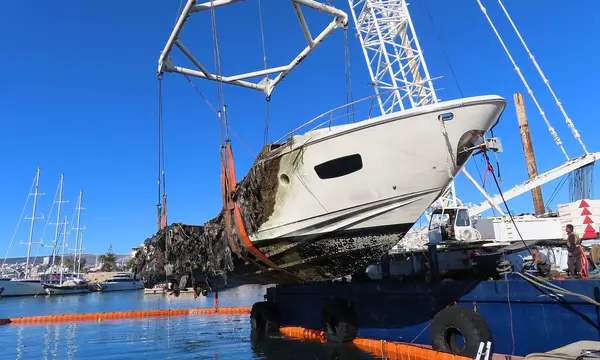
Pantaenius has published a detailed claims case study showing how survey, salvage and environmental coordination brought a complex Marina Zea yacht total loss to …
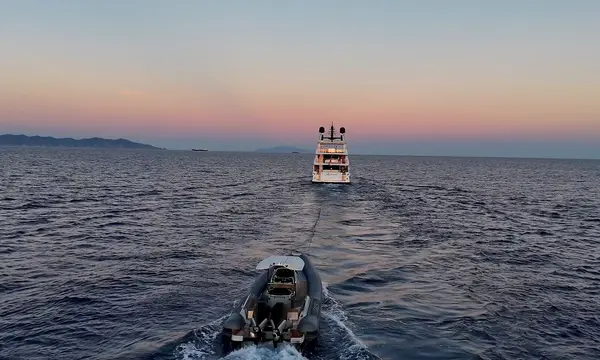
Captain Jonathan Chell says a dedicated Yacht Trace system monitored ANDIAMO's tender position, bilge activity and battery condition during a 900nm passage.
Superyacht Guide
Continue into the wider Superyacht Guide.
Business opportunities · Superyacht Guide
Companies serving the superyacht market can discuss clearly identified advertising, sponsorship and business-profile opportunities. Commercial activity remains separate from independent editorial coverage.