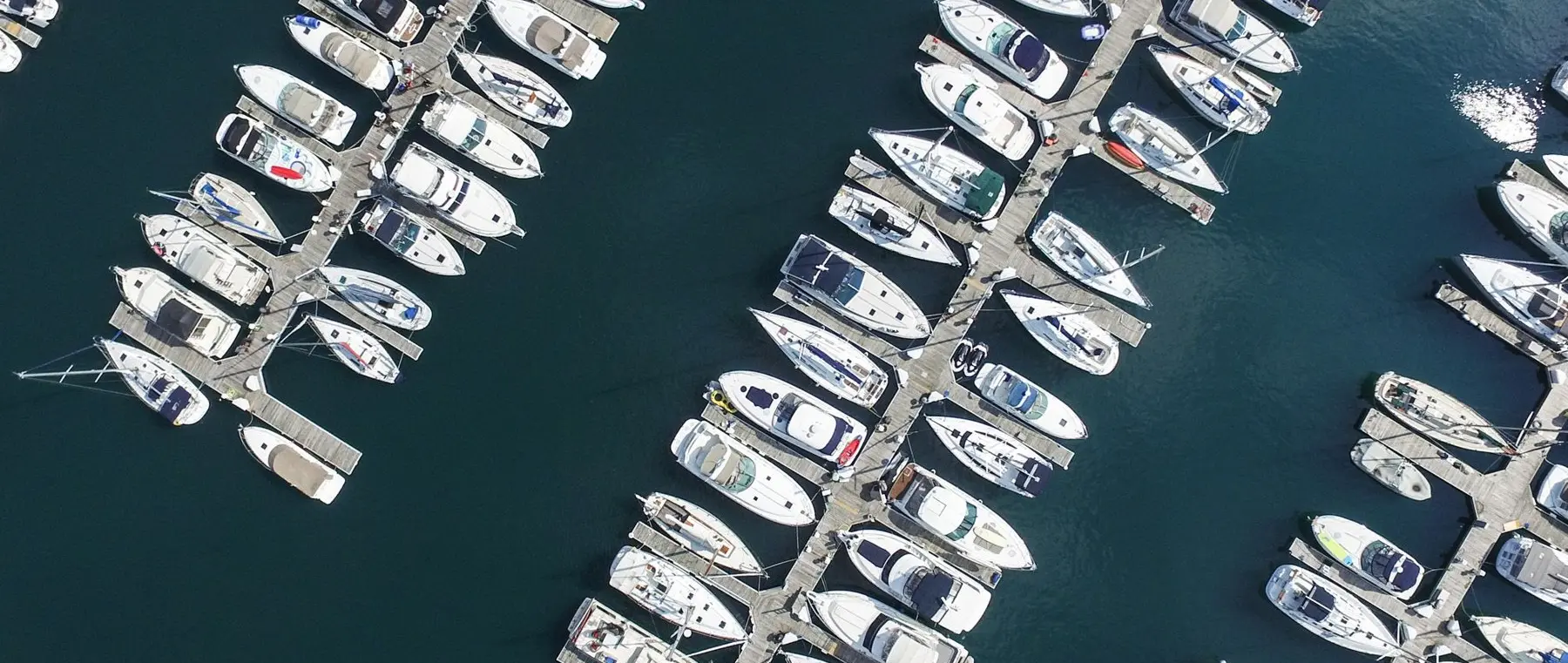
New Global Yacht LCA Project Highlights a 24m Methodology Gap
By Stephen Yardley · Edited by Stephen Yardley
Image: British Marine / ICOMIA
A new global lifecycle-assessment project will standardise environmental comparisons for boats and yachts up to 24m, leaving larger superyachts outside its stated scope.
ICOMIA, European Boating Industry and the National Marine Manufacturers Association have launched a stakeholder survey for a new global Life Cycle Assessment methodology for recreational boats and yachts. The project aims to align how manufacturers and regulators assess environmental impact from raw materials through production, use and end of life.
The important boundary for Superyacht Guide readers is explicit: the announced methodology covers vessels up to 24 metres LOA. Larger superyachts therefore sit outside the stated project scope even though many suppliers and materials overlap.
Lifecycle claims can vary substantially when studies use different assumptions about materials, operating hours, fuels, transport and disposal. A shared methodology can make comparisons more meaningful by setting common rules for what is counted and how impacts are reported.
The project builds on the Blue Boat Horizon methodology and earlier decarbonisation work. It is still under development, so the survey itself is not a finished standard or certification scheme.
Boatbuilders, propulsion companies and component and material suppliers are invited to complete a survey covering their current use of LCA, barriers to adoption and the commercial value of environmental data. The consultation also asks about regulatory awareness, including the EU Ecodesign for Sustainable Products Regulation.
Responses are due by 23 October 2026 and will be used in aggregated form. Suppliers serving both sub-24m craft and larger yachts may have a particular interest because future methods could influence how environmental data is requested throughout the wider marine supply chain.
Large yachts have different materials, hotel loads, operating profiles and refit cycles from smaller recreational craft. Applying a small-yacht methodology unchanged would therefore risk producing misleading comparisons, making the 24-metre boundary an important limitation rather than a minor technical detail.
The British Marine release documents the project and its scope. Superyacht Guide is covering it as an industry methodology development while making clear that vessels above 24 metres are not included in the announced framework.
Explore
Go deeper into the yachts, companies, events and destinations directly connected to this article.
Continue reading

British Marine's Electrical & Electronics Association conference returns after a two-year break, bringing suppliers, installers and builders together on 25 February.
Marine Match has launched a UK marketplace connecting owners with verified marine trades across engineering, coatings, rigging, surveys and transport.

Life after yachting can take superyacht crew into management, brokerage, shipyards, training and other shoreside careers when the transition is planned early.

Raymarine Commercial's NavCloud links route planning, chart updates and shore-side monitoring so navigation data can move automatically between vessel and office.
Superyacht Guide
Continue into the wider Superyacht Guide.