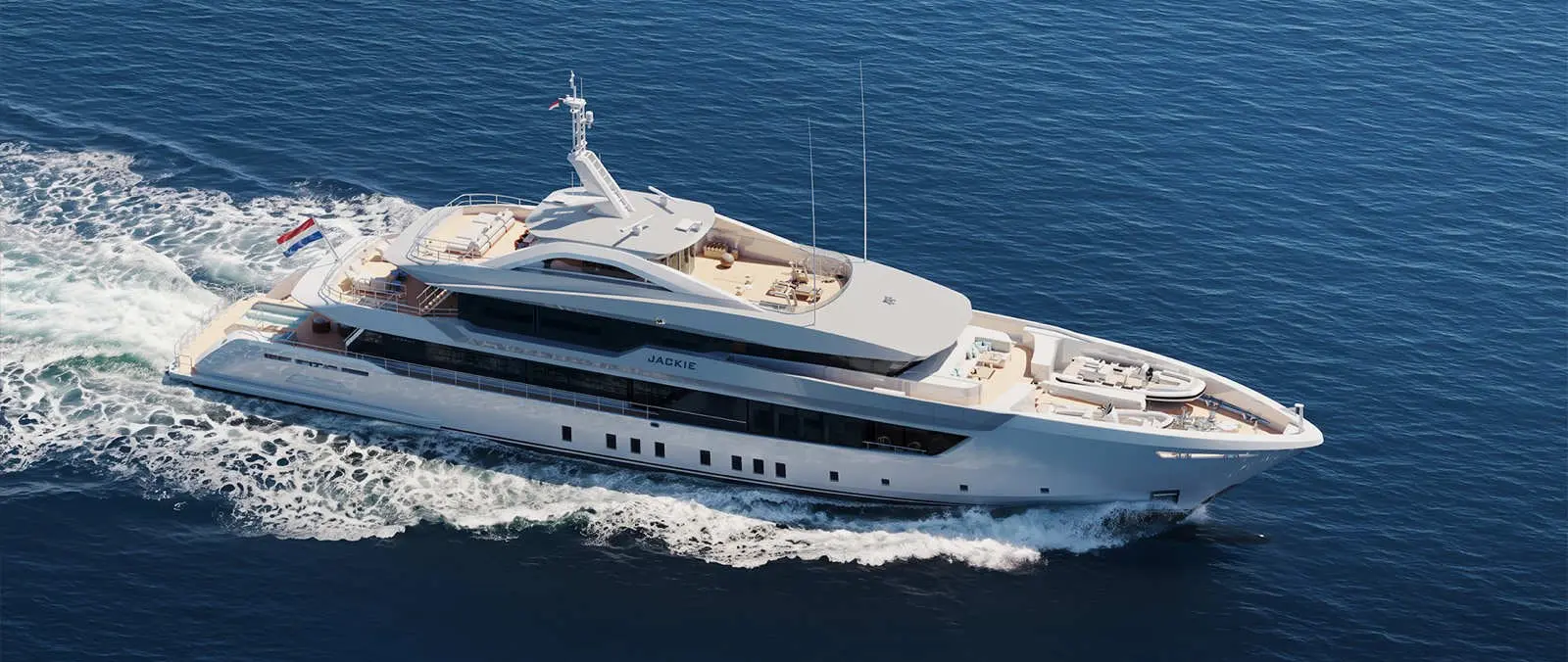
Heesen Details 55.6m Project Jackie for Second-Quarter 2028 Delivery
By Stephen Yardley · Edited by Stephen Yardley
Heesen's YN 21655 Project Jackie is a 55.64-metre steel displacement yacht intended for second-quarter 2028 delivery, with an Omega Architects exterior and six guest cabins.
Heesen has added Project Jackie, construction number YN 21655, to its published portfolio of yachts available during construction. The 55.64-metre steel displacement design is scheduled for delivery in the second quarter of 2028, positioning it as an option for buyers who want a substantial Dutch-built superyacht without commissioning an entirely new custom design from the beginning. Its current status and specifications come from Heesen's official model information, rather than a completed sea trial.
The yacht follows the Dutch builder's established approach to steel displacement construction, with exterior design by Omega Architects and interiors by Luca Dini Design and Architecture. The quoted beam is 9.6 metres and the half-load draft is 2.7 metres. Internal volume is approximately 760 gross tonnes, an important figure because it gives a clearer indication of enclosed space than length alone. The project is designed to accommodate twelve guests and thirteen crew including the captain.
For a prospective owner, the principal proposition is a balance between ocean-going capability and access to destinations where a much larger yacht might be less practical. Heesen promotes the steel hull's seakeeping qualities, but operating characteristics depend on weight, sea conditions and captain decisions. The advertised delivery date is a production target that should be verified against an actual build schedule before planning a first cruising season.
Project Jackie's exterior design places significant emphasis on interaction with the sea. Heesen's renderings show a pool at the aft end of the main outdoor living space, framed by sweeping stairs. Such an arrangement connects guests with arriving tenders and watersports activity, allowing the aft deck to function as an important social area rather than simply a circulation route.
The builder says the tenders are carried on the foredeck, while smaller water toys have a dedicated garage. Separating these activities can reduce interference between crew handling equipment and guests spending time around the pool. The benefits will depend on how the finished yacht manages movement of equipment and people, however, and prospective buyers should evaluate launch procedures carefully rather than treating a rendering as evidence of effortless operation.
Above, the sundeck is described as substantial and equipped with windbreakers to improve comfort while the yacht is underway. On a vessel intended for extended cruising, sheltered outdoor space can be as valuable as elaborate indoor rooms. It extends the periods during which guests can enjoy a deck, but does not remove the constraints imposed by sea state or weather. The best arrangement preserves both open-air enjoyment and comfortable protected areas.
The accommodation programme includes an owner's stateroom, a VIP cabin and four further guest cabins. This creates six guest cabins for a maximum of twelve people, allowing a private party to select a mix of family members and companions. Interior design by Luca Dini is intended to complement the exterior's long-distance cruising identity with a more residential atmosphere, although the full experience will become clear only when completed interior photographs are available.
Thirteen crew members, including the captain, are anticipated under the published arrangement. That is a substantial operational team for a yacht of this scale, and its accommodation, working spaces and access routes are an important part of the design. Guests may mainly notice the quality of service, but that service depends on practical facilities for maintenance, food preparation and watchkeeping that do not intrude unnecessarily into private areas.
For an owner considering extended family cruising, the six-cabin plan can be an attractive starting point. The detailed suitability of each room will depend on bed arrangements, privacy and access to shared spaces. A thorough inspection of the general arrangement is more useful than comparing only how many guests the yacht is nominally permitted to carry. Different generations or groups may have contrasting expectations of private space.
Heesen's published performance information lists a maximum speed of 15.5 knots and an estimated range of 4,500 nautical miles at thirteen knots. The fuel capacity is given as 100,000 litres, with approximately 19,000 litres of fresh-water capacity. These figures are useful for understanding the intended ocean-going profile, but real endurance will depend on loading, conditions, hotel loads and the fuel reserve policies adopted by the captain.
Power comes from two MTU 8V 4000 M63 diesel engines, each quoted at 1,000 kilowatts at 1,800 rpm, with IMO Tier III compliance. Heesen also lists two 175-kilowatt Zenoro generators and a separate emergency generator. The integration of propulsion, electrical generation and auxiliary equipment will affect maintenance demands and the comfort of guests while operating far from shore facilities.
A long-range yacht should never be assessed solely on the claimed distance between refuelling stops. Buyers need to examine the circumstances underlying the range calculation and the relationship between machinery access, crew capability and the intended itinerary. The ability to operate reliably for several weeks is as much about support and practical engineering as it is about the size of the fuel tanks.
Heesen is offering Jackie as a yacht in construction rather than reporting that a completed vessel has been launched or delivered. For buyers, this creates a different set of decisions from acquiring a yacht already in commission. There may be opportunities to select interiors and certain equipment, but the scope and timing of any changes must be agreed directly with the shipyard and its authorised sales representatives.
The published programme gives prospective owners a way to compare Project Jackie with other Heesen yachts currently under construction, including different hull forms and delivery periods. A steel displacement yacht may appeal to someone who values long-distance cruising, while a faster aluminium design might suit another operating pattern. The right choice depends on where the yacht will sail, who will use it and how much crew support the owner expects.
Project Jackie adds a 55.64-metre option to Heesen's future fleet, combining an Omega exterior, a Luca Dini interior, six guest cabins and a long-range steel hull. Its next meaningful milestones will be construction progress, commissioning and independently observed performance after completion. Until those stages are reported, the official specifications offer a credible description of design intent rather than proof of every eventual operating characteristic.
Explore
Go deeper into the yachts, companies, events and destinations directly connected to this article.
Continue reading
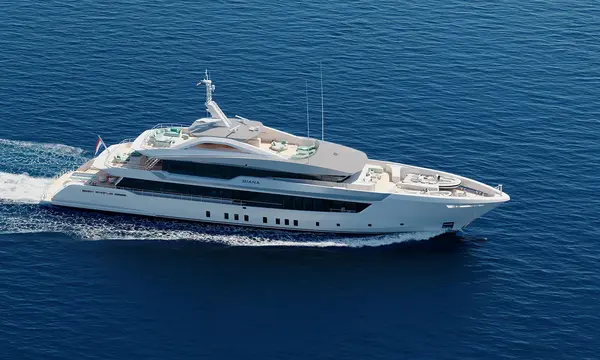
The in-build Heesen Project Diana, YN 21455, remains listed for Q2 2027 delivery, with an updated 55m steel platform and Luca Dini interior.
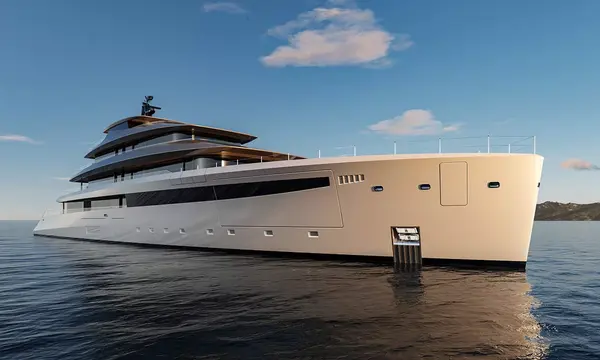
Heesen’s 72.3m Project Ananda is scheduled for keel laying in November 2026, with hybrid propulsion, Sinot design and 2030 delivery planned.
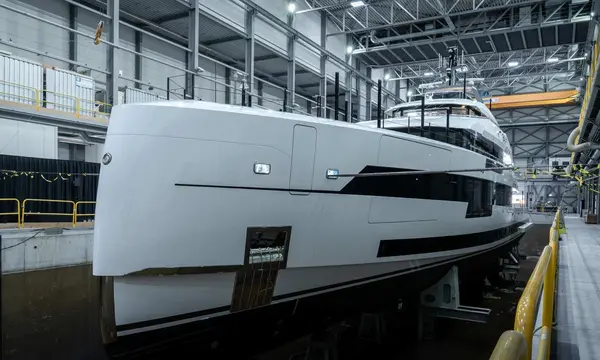
Heesen has launched the 57-metre full-custom Project Setteesettanta, an all-aluminium yacht for returning owners with delivery scheduled for 2026.
Heesen has formally christened 55-metre Pa’lante, formerly Project Frida, after successful North Sea trials.
Superyacht Guide
Continue into the wider Superyacht Guide.
Business opportunities · Superyacht Guide
Companies serving the superyacht market can discuss clearly identified advertising, sponsorship and business-profile opportunities. Commercial activity remains separate from independent editorial coverage.