Hempaguard X7: Superyacht Hull Coating Evidence at METSTRADE 2026
By Superyacht Guide Newsroom · Edited by Superyacht Guide Newsroom
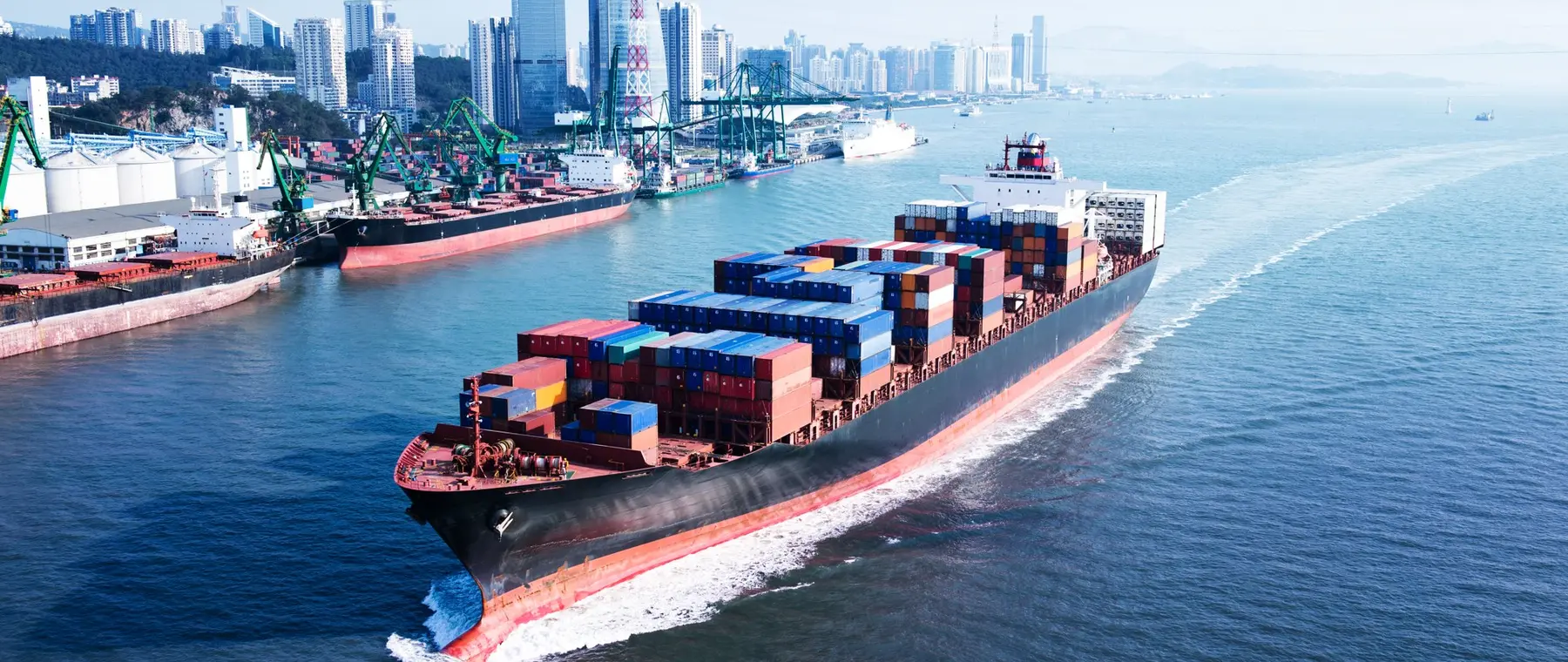
Commercial ship — Hempel archive press image from its Hempaguard X7 verification release
Hempel presents a fouling-defence coating on the METSTRADE sustainability route, prompting a closer examination of lifecycle impacts and hull maintenance.
At METSTRADE in Amsterdam from 17 to 19 November 2026, Hempel is listed on the Superyacht Sustainability Route at stand 02.423 with its Hempaguard X7 fouling-defence system. The product is established rather than new: Hempel introduced the technology in 2013. The current interest is the role of independently assessed information in selecting the underwater coating system for a new build or refit. The choice affects both the shipyard programme and the vessel's subsequent operation.
The Water Revolution Foundation's comparative lifecycle assessment records an improvement of 31.5 per cent at the endpoint level against a conventional Hempel Mille NCT 71880 coating scenario. That result refers to the assessment's particular assumptions and aggregated environmental measure. It is not a universal reduction in fuel consumption and should not be presented as one. For a superyacht technical team, the useful question is whether its actual operating profile resembles the circumstances on which the comparison was based.
Biological growth on a submerged hull can change the surface through which water flows, potentially increasing resistance and affecting the power needed to maintain speed. The extent depends on the vessel's speed, water conditions, time spent stationary and the organisms encountered. The underwater appendages, propellers and sea inlets introduce separate maintenance considerations. The condition of the main hull coating alone cannot establish the efficiency of the complete vessel.
Hempel describes Hempaguard X7 as a hybrid approach combining a silicone hydrogel surface with a fouling-preventing biocide. These elements have different roles in the system's intended performance. An owner should understand what chemistry and coating specification are proposed rather than assuming all silicone products are biocide-free. The safety documentation, application instructions and local requirements need to be considered before purchasing and applying any such product.
A superyacht may spend long periods alongside or at anchor, followed by a demanding passage between cruising grounds. Machinery and hull coating decisions cannot always be drawn directly from commercial vessels operating scheduled routes. A more meaningful evaluation starts with the yacht's actual annual pattern: time underway, speed distribution, lay-up arrangements, time in warmer waters and the length of its intended docking cycle.
Hempel's published product description identifies superyachts as a relevant application, including vessels that may remain stationary for substantial periods. Its stated idle-period and service-interval limits are conditional specifications, not promises that apply to every yacht. Obtain written clarification of the conditions applicable to the proposed coating system. A captain who expects to visit a different climate or change the yacht's programme should share that information with the technical representative before the system is specified.
Water Revolution Foundation's assessment identifies lower impacts across most of the midpoint categories studied, with ozone-layer depletion an exception. It also points to reductions in indicators related to water use and air pollutants. These details are more informative than an isolated sustainability percentage because they reveal that not every aspect of a comparison moves in the same direction.
The project manager should request the underlying lifecycle summary and consider how the two scenarios account for application materials, maintenance, fuel use and eventual coating renewal. The contribution of each stage may vary considerably according to the assumed vessel and service duration. A long docking interval may be useful where supported by the coating's condition and the yacht's other inspection obligations, but cannot supersede those obligations. Use the assessment to inform a comparison of feasible alternatives rather than treating the endpoint figure as a complete environmental declaration for the vessel.
A refit begins with the coating already on the yacht. Investigate its identity, history, adhesion, underlying surface condition and defects before deciding what can be retained. The appropriate transition system will depend on both previous and proposed products, and on the substrate. Incomplete records can make it harder to establish compatibility, particularly where earlier repairs used different materials.
A joint assessment involving the yard, coating supplier and owner's representative can identify areas requiring further investigation and establish responsibility for preparation. If the existing layers contain deterioration or contamination, adding a new finish will not necessarily resolve the original problem. The extent of removal, cleaning and repair should be defined before the installation schedule is finalised. This reduces disagreement about what was included in a quotation once the vessel is already ashore and the original surface is accessible.
The product specification needs to be translated into an inspection and application plan. Agree the required surface preparation, intermediate coatings, environmental limits, thickness measurements and curing conditions with qualified specialists. The supplier's instructions for the selected system should take precedence over generic rules learned from another product. The yard must be able to maintain the conditions required for the actual work.
A yacht returning to service too soon can encounter difficulties if the coating has not been prepared for immersion in accordance with its instructions. Similarly, complications may arise if other contractors damage a finished area before the yacht leaves the dock. A realistic schedule recognises the relationships between painting, hull inspection, valve and appendage work and any other project involving the underwater surface. Record the final inspection and identify who has authority to release the work for launching.
Owners should obtain the supplier's instructions for any permitted hull-cleaning method and discuss them with local contractors. Some coatings have specific limitations concerning cleaning equipment and treatment of accumulated growth. A method appropriate for a conventional hard surface may not be appropriate for a different coating system. Unapproved cleaning may affect coating performance or warranty conditions.
Local restrictions also matter, especially where in-water cleaning and the release of material from a vessel are regulated. A yacht's ability to perform maintenance in one marina does not establish permission to repeat it in another. The most practical maintenance plan identifies suitable approved inspection and cleaning services, establishes clear responsibilities and takes account of the conditions under which a maintenance operation may be deferred. An ambitious antifouling strategy must remain compatible with lawful and responsible vessel operation.
A vessel's fuel records can be valuable when assessing changes in underwater condition, but comparisons need to account for loading, wind, waves, current and engine operation. A yacht cruising in more demanding conditions after a docking may consume more fuel even when its hull is in better condition. Conversely, favourable weather may make an ordinary result appear exceptional. The coating cannot be isolated from these influences without a suitable analytical approach.
Where the owner wants to quantify an improvement, discuss a measurement plan before the work begins. Identify the speed and operating data already available and the limitations of the instruments and voyage records. Consistent observations over an appropriate period will be more useful than comparing two individual trips. An experienced performance specialist can help decide whether the available evidence supports a meaningful comparison. This can also inform future decisions about propeller maintenance, cleaning and docking frequency.
A comprehensive quotation should distinguish material costs from preparation, labour, inspection and technical support. Establish the areas included, the allowances for unexpected repairs and the conditions attached to any guarantee. An apparent saving at the material-purchase stage may have little value if it leads to a longer docking period or creates a future requirement for extensive removal. Conversely, a more expensive system may be appropriate if its total expected service costs are lower under the yacht's operating conditions.
The owner should also consider the handling of removed coatings and preparation waste. Shipyard arrangements for containment, storage and disposal are part of the practical environmental performance of a coating project. Requests for environmental evidence should extend to how work will be carried out, not just the characteristics of the finished material. The people involved in specifying the coating and those responsible for executing the work should agree their expectations in advance.
Hempel's place on the sustainability route offers an opportunity to examine a coating choice with the supplier and ask specific questions about the foundation's independent assessment. Bring the yacht's existing paint history and intended programme to the discussion, together with its docking constraints and any unusual lay-up periods. Request current technical and safety information applicable to the area of application.
For an experienced owner, the most interesting outcome is a documented comparison of options suitable for the actual vessel. The lifecycle study supports closer consideration of Hempaguard X7 but does not eliminate the need to inspect the substrate, confirm the specification and follow the correct application and maintenance procedures. A sound decision brings environmental evidence and competent yard practice together, recognising that the quality of the installed system ultimately depends on both.
Primary source: Water Revolution Foundation / Hempel.
Exhibition programme: Water Revolution Foundation — METSTRADE 2026.
Hempel A/S, 19 June 2024 press release. Commercial-vessel illustration of the wider coating technology; not a superyacht or the 2026 exhibition. Official source.
Explore
Go deeper into the yachts, companies, events and destinations directly connected to this article.
Continue reading
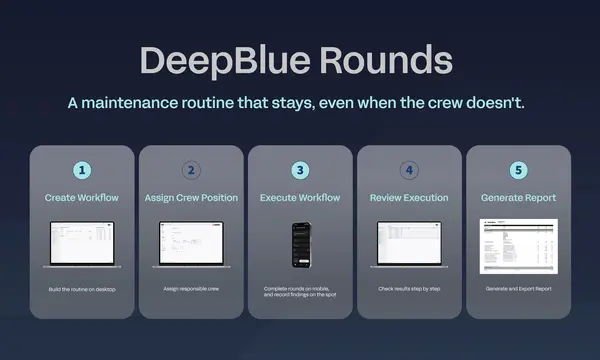
DeepBlue introduces Rounds, a mobile inspection workflow linking equipment readings, maintenance checks and follow-up jobs to yacht equipment records.
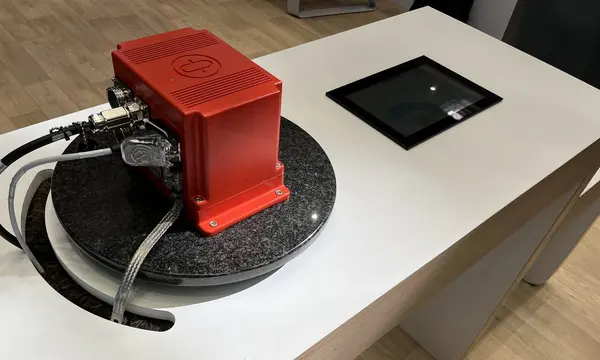
Anschütz has unveiled the Standard 100 MF, a maintenance-free gyrocompass designed for straightforward new-build and retrofit integration from 2027.
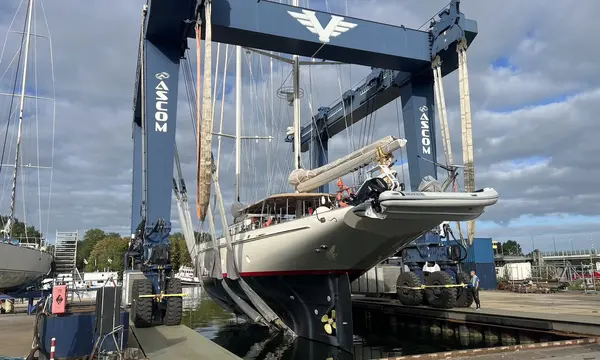
Amsterdam Yacht Service reports a rig-on haul-out for 41.54m MELODY, including antifouling, exterior maintenance, rig retuning and a swing-keel inspection.
The 99.95m Feadship REVERIE, delivered as MOONRISE in 2020, has been photographed in Gibraltar following a reported ownership change earlier in 2026.
Superyacht Guide
Continue into the wider Superyacht Guide.
Business opportunities · Superyacht Guide
Companies serving the superyacht market can discuss clearly identified advertising, sponsorship and business-profile opportunities. Commercial activity remains separate from independent editorial coverage.
