How Often Does a Superyacht Need a Refit?
How Often Does a Superyacht Need a Refit? Most superyachts need continuous maintenance every season and more substantial yard periods every few years; a …
How Much Does a Superyacht Refit Cost? A superyacht refit can range from hundreds of thousands of euros for focused cosmetic work to tens of millions for major technical, structural and interior programmes; the real cost depends on scope, yard period, class work and how much is discovered after opening the yacht up.
A superyacht refit can range from hundreds of thousands of euros for focused cosmetic work to tens of millions for major technical, structural and interior programmes; the real cost depends on scope, yard period, class work and how much is discovered after opening the yacht up. The figure is a planning benchmark rather than a quotation, because age, specification, flag, class status, cruising programme and condition can move the real number materially. This is why the headline number should be treated as a starting point rather than the whole answer.
This page answers how much does a superyacht refit cost? with ranges rather than a single universal number, because the live 24m+ fleet spans very different ages, tonnages, machinery packages and operating programmes. Owners should budget from the individual yacht rather than from length alone, since machinery hours, crew structure, refit status and operating pattern often matter as much as metres. The planning consequence is more important than the marketing headline because it affects cash flow and operational flexibility.
For wider ownership context, see SYG’s ownership-cost guide by yacht size and the Yacht Financial Intelligence section. Those pages provide the broader framework behind the narrower search question answered here.
A paint and soft-furnishings refresh on a smaller yacht can remain in the high six figures, but full exterior paint on a large yacht is itself a major project. SYG therefore treats estimates as ranges and cross-checks them against the live fleet database instead of presenting a single universal price. That distinction prevents a simple search answer from becoming misleading when applied to a specific yacht.
A five-year or ten-year class-related yard period can add machinery overhauls, surveys, tank work, valves, safety systems and steel or aluminium repairs to the bill. The practical question is not only what the yacht costs today, but what level of annual cash commitment keeps it safe, crewed, class-compliant and ready to use. Captains, managers and advisers normally refine the estimate once the yacht, route and intended use are known.
A major interior replacement becomes expensive because joinery, stone, lighting, AV, HVAC changes and fire boundaries are integrated with the yacht rather than treated like a house renovation. A newer yacht can cost more to acquire but less to correct immediately, while an older bargain can reverse that equation once deferred maintenance appears. Individual yachts can still sit well above or below the pattern because superyachts are unusually specification-sensitive assets.
Engine and generator overhauls can each create substantial line items, particularly when removal requires structural access or the machinery is approaching major service intervals. Taxes, VAT, financing, brokerage, registration and transaction costs are separate from the underlying yacht value and can materially change the acquisition budget. A prudent plan therefore includes room for maintenance, compliance and unexpected technical work instead of modelling only the visible cost.
Yard labour rate matters, but project duration and scope control usually have a bigger effect on the final invoice. For planning, it is safer to model a central case plus a contingency than to assume the lowest advertised number will survive survey, refit and the first operating season. That is especially relevant in the 24m+ market, where two yachts of similar length can have very different tonnage and machinery loads.
The condition of drawings and technical records influences engineering time because poor documentation forces the yard to investigate systems physically. Where SYG uses value data, current_approxvalue is an editorial EUR estimate and should be read as intelligence rather than an appraisal or broker asking price. The most reliable comparison uses several dimensions together instead of relying on one advertised figure.
Class and flag requirements can turn an owner-requested refit into a wider compliance programme once surveys are due at the same time. The figure is a planning benchmark rather than a quotation, because age, specification, flag, class status, cruising programme and condition can move the real number materially. This is why the headline number should be treated as a starting point rather than the whole answer.
Paint condition, teak age and corrosion are visible cost drivers that can be assessed before the yacht enters the yard. Owners should budget from the individual yacht rather than from length alone, since machinery hours, crew structure, refit status and operating pattern often matter as much as metres. The planning consequence is more important than the marketing headline because it affects cash flow and operational flexibility.
Lengthening, new beach clubs, hybrid conversions and extensive structural work move a project from routine refit into rebuild territory with much larger engineering budgets. SYG therefore treats estimates as ranges and cross-checks them against the live fleet database instead of presenting a single universal price. That distinction prevents a simple search answer from becoming misleading when applied to a specific yacht.
Contingency is essential because corrosion, inaccessible pipework, obsolete electronics and undocumented modifications often appear only after dismantling begins. The practical question is not only what the yacht costs today, but what level of annual cash commitment keeps it safe, crewed, class-compliant and ready to use. Captains, managers and advisers normally refine the estimate once the yacht, route and intended use are known.
Supply-chain lead times can extend berth occupancy and crew costs even when the direct equipment price is known. A newer yacht can cost more to acquire but less to correct immediately, while an older bargain can reverse that equation once deferred maintenance appears. Individual yachts can still sit well above or below the pattern because superyachts are unusually specification-sensitive assets.
Owner changes after work starts are one of the fastest ways to expand both cost and schedule. Taxes, VAT, financing, brokerage, registration and transaction costs are separate from the underlying yacht value and can materially change the acquisition budget. A prudent plan therefore includes room for maintenance, compliance and unexpected technical work instead of modelling only the visible cost.
Separate mandatory technical work from discretionary owner upgrades so the project can be prioritised if budget pressure appears. For planning, it is safer to model a central case plus a contingency than to assume the lowest advertised number will survive survey, refit and the first operating season. That is especially relevant in the 24m+ market, where two yachts of similar length can have very different tonnage and machinery loads.
Commission a detailed condition survey and yard specification before tendering rather than asking yards to price a vague wish list. Where SYG uses value data, current_approxvalue is an editorial EUR estimate and should be read as intelligence rather than an appraisal or broker asking price. The most reliable comparison uses several dimensions together instead of relying on one advertised figure.
Carry a contingency reserve for hidden defects and treat it as part of the plan rather than evidence that the project failed. The figure is a planning benchmark rather than a quotation, because age, specification, flag, class status, cruising programme and condition can move the real number materially. This is why the headline number should be treated as a starting point rather than the whole answer.
Match the refit window to class surveys and major machinery services where possible to avoid opening the yacht twice. Owners should budget from the individual yacht rather than from length alone, since machinery hours, crew structure, refit status and operating pattern often matter as much as metres. The planning consequence is more important than the marketing headline because it affects cash flow and operational flexibility.
Compare yards on project management, subcontractor control and similar-yacht experience as well as hourly rate. SYG therefore treats estimates as ranges and cross-checks them against the live fleet database instead of presenting a single universal price. That distinction prevents a simple search answer from becoming misleading when applied to a specific yacht.
For acquisition due diligence, estimate the first two years of refit need before deciding that an older yacht is cheaper than a newer alternative. The practical question is not only what the yacht costs today, but what level of annual cash commitment keeps it safe, crewed, class-compliant and ready to use. Captains, managers and advisers normally refine the estimate once the yacht, route and intended use are known.
Continue reading
How Often Does a Superyacht Need a Refit? Most superyachts need continuous maintenance every season and more substantial yard periods every few years; a …

Groupe Beneteau has expanded its NEO manufacturer-backed refit programme from two models to eight across LAGOON, BENETEAU and JEANNEAU, extending its role in the …
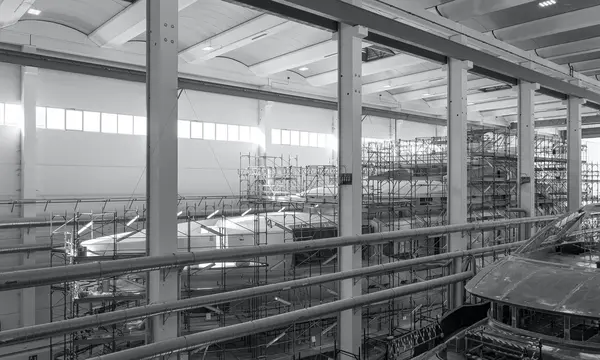
Palumbo Superyachts Refit has become Palumbo Upfit, broadening its identity around lifecycle yacht support across a seven-yard Mediterranean network.

Amico & Co has secured a unified Genoa shipyard concession running to the end of 2060. The agreement supports an infrastructure programme worth about …
Superyacht Guide
Continue into the wider Superyacht Guide.