How Much Does a Superyacht Refit Cost?
How Much Does a Superyacht Refit Cost? A superyacht refit can range from hundreds of thousands of euros for focused cosmetic work to tens …
How Often Does a Superyacht Need a Refit? Most superyachts need continuous maintenance every season and more substantial yard periods every few years; a major refit is commonly planned around five-year survey cycles, paint condition, machinery hours and the owner’s desire to update the yacht.
Most superyachts need continuous maintenance every season and more substantial yard periods every few years; a major refit is commonly planned around five-year survey cycles, paint condition, machinery hours and the owner’s desire to update the yacht. The figure is a planning benchmark rather than a quotation, because age, specification, flag, class status, cruising programme and condition can move the real number materially. This is why the headline number should be treated as a starting point rather than the whole answer.
This page answers how often does a superyacht need a refit? with ranges rather than a single universal number, because the live 24m+ fleet spans very different ages, tonnages, machinery packages and operating programmes. Owners should budget from the individual yacht rather than from length alone, since machinery hours, crew structure, refit status and operating pattern often matter as much as metres. The planning consequence is more important than the marketing headline because it affects cash flow and operational flexibility.
For wider ownership context, see SYG’s ownership-cost guide by yacht size and the Yacht Financial Intelligence section. Those pages provide the broader framework behind the narrower search question answered here.
Routine winter or shoulder-season yard periods can cover antifouling, anodes, servicing, teak repairs, valves, tenders and smaller upgrades without becoming a full refit. SYG therefore treats estimates as ranges and cross-checks them against the live fleet database instead of presenting a single universal price. That distinction prevents a simple search answer from becoming misleading when applied to a specific yacht.
Major paint programmes are often planned on multi-year cycles because coating condition, colour and use affect how quickly the finish deteriorates. The practical question is not only what the yacht costs today, but what level of annual cash commitment keeps it safe, crewed, class-compliant and ready to use. Captains, managers and advisers normally refine the estimate once the yacht, route and intended use are known.
Class and statutory surveys create natural refit milestones, especially when tanks, machinery or underwater systems need to be opened and inspected. A newer yacht can cost more to acquire but less to correct immediately, while an older bargain can reverse that equation once deferred maintenance appears. Individual yachts can still sit well above or below the pattern because superyachts are unusually specification-sensitive assets.
Main-engine and generator overhaul intervals are based on running hours and manufacturer schedules, so a heavily used charter yacht can reach major work sooner than a lightly used private yacht. Taxes, VAT, financing, brokerage, registration and transaction costs are separate from the underlying yacht value and can materially change the acquisition budget. A prudent plan therefore includes room for maintenance, compliance and unexpected technical work instead of modelling only the visible cost.
Usage intensity is the first driver because a yacht operating 200 days a year accumulates wear far faster than one used for a short private season. For planning, it is safer to model a central case plus a contingency than to assume the lowest advertised number will survive survey, refit and the first operating season. That is especially relevant in the 24m+ market, where two yachts of similar length can have very different tonnage and machinery loads.
Saltwater exposure and tropical UV accelerate exterior deterioration, while colder regions create different corrosion and winterisation challenges. Where SYG uses value data, current_approxvalue is an editorial EUR estimate and should be read as intelligence rather than an appraisal or broker asking price. The most reliable comparison uses several dimensions together instead of relying on one advertised figure.
Crew maintenance quality can extend intervals by catching leaks, corrosion and machinery problems before they become refit-scale defects. The figure is a planning benchmark rather than a quotation, because age, specification, flag, class status, cruising programme and condition can move the real number materially. This is why the headline number should be treated as a starting point rather than the whole answer.
Builder and system complexity matter because specialist equipment can require factory technicians and longer lead times. Owners should budget from the individual yacht rather than from length alone, since machinery hours, crew structure, refit status and operating pattern often matter as much as metres. The planning consequence is more important than the marketing headline because it affects cash flow and operational flexibility.
Interior refits are driven more by owner preference, wear and technology obsolescence than by a fixed regulatory cycle. SYG therefore treats estimates as ranges and cross-checks them against the live fleet database instead of presenting a single universal price. That distinction prevents a simple search answer from becoming misleading when applied to a specific yacht.
AV, navigation, communications and cybersecurity systems can become obsolete much faster than the hull, creating smaller technical refits between major yard periods. The practical question is not only what the yacht costs today, but what level of annual cash commitment keeps it safe, crewed, class-compliant and ready to use. Captains, managers and advisers normally refine the estimate once the yacht, route and intended use are known.
Class society and flag requirements determine when specific surveys and certification work must occur. A newer yacht can cost more to acquire but less to correct immediately, while an older bargain can reverse that equation once deferred maintenance appears. Individual yachts can still sit well above or below the pattern because superyachts are unusually specification-sensitive assets.
Owner change often triggers a refit immediately after purchase even if the yacht is technically sound because layout, décor and equipment are highly personal. Taxes, VAT, financing, brokerage, registration and transaction costs are separate from the underlying yacht value and can materially change the acquisition budget. A prudent plan therefore includes room for maintenance, compliance and unexpected technical work instead of modelling only the visible cost.
Create a five-year maintenance and survey calendar rather than deciding refit timing only when something fails. For planning, it is safer to model a central case plus a contingency than to assume the lowest advertised number will survive survey, refit and the first operating season. That is especially relevant in the 24m+ market, where two yachts of similar length can have very different tonnage and machinery loads.
Combine class work, major machinery services and owner upgrades in one yard period where practical to reduce repeated downtime. Where SYG uses value data, current_approxvalue is an editorial EUR estimate and should be read as intelligence rather than an appraisal or broker asking price. The most reliable comparison uses several dimensions together instead of relying on one advertised figure.
Inspect paint, teak, tanks and corrosion annually so expensive work can be forecast instead of discovered after arrival at the yard. The figure is a planning benchmark rather than a quotation, because age, specification, flag, class status, cruising programme and condition can move the real number materially. This is why the headline number should be treated as a starting point rather than the whole answer.
Order long-lead equipment early because waiting for parts can be more disruptive than the installation itself. Owners should budget from the individual yacht rather than from length alone, since machinery hours, crew structure, refit status and operating pattern often matter as much as metres. The planning consequence is more important than the marketing headline because it affects cash flow and operational flexibility.
Keep drawings and service records current so the next yard can scope work accurately without paying to rediscover the yacht. SYG therefore treats estimates as ranges and cross-checks them against the live fleet database instead of presenting a single universal price. That distinction prevents a simple search answer from becoming misleading when applied to a specific yacht.
For buyers, review the refit calendar during due diligence because a yacht approaching a major survey can require significant capital immediately after closing. The practical question is not only what the yacht costs today, but what level of annual cash commitment keeps it safe, crewed, class-compliant and ready to use. Captains, managers and advisers normally refine the estimate once the yacht, route and intended use are known.
Continue reading
How Much Does a Superyacht Refit Cost? A superyacht refit can range from hundreds of thousands of euros for focused cosmetic work to tens …

Groupe Beneteau has expanded its NEO manufacturer-backed refit programme from two models to eight across LAGOON, BENETEAU and JEANNEAU, extending its role in the …
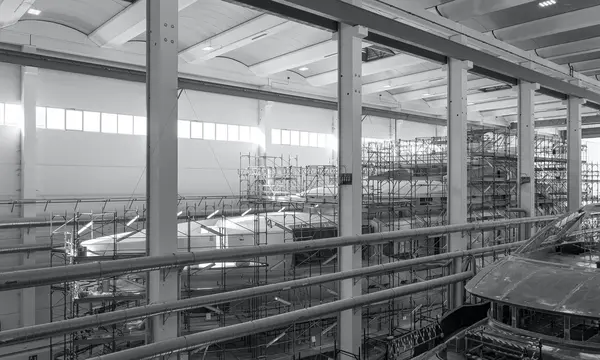
Palumbo Superyachts Refit has become Palumbo Upfit, broadening its identity around lifecycle yacht support across a seven-yard Mediterranean network.

Amico & Co has secured a unified Genoa shipyard concession running to the end of 2060. The agreement supports an infrastructure programme worth about …
Superyacht Guide
Continue into the wider Superyacht Guide.