Superyachts move between cruising grounds under their own power or aboard specialist transport ships. We explain lift-on and float-on methods, preparation, cost and wear.
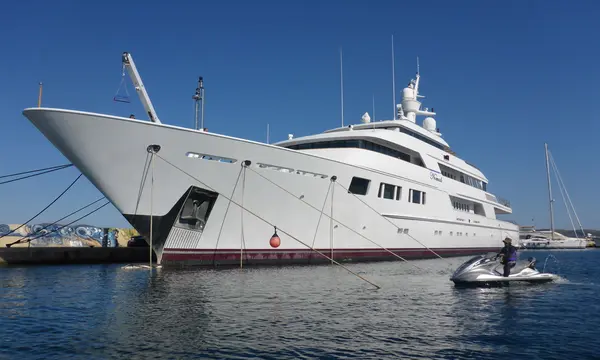
Superyachts move around the world in three main ways: they sail under their own power, they are carried aboard a specialist transport ship, or they are moved by a heavy-lift or semi-submersible vessel using lift-on/lift-off or float-on/float-off methods. The choice depends on yacht size, range, schedule, weather, crew availability, insurance, cost and how much machinery wear the owner is prepared to accept.
For a capable ocean-going yacht, self-delivery can appear straightforward, but a transatlantic passage consumes fuel, adds engine and generator hours, exposes the yacht to weather and requires a fully manned delivery programme. Transporting the yacht can therefore be commercially sensible when the objective is to move between seasonal cruising grounds while preserving the vessel for owner or charter use.
Sailing under the yacht’s own power
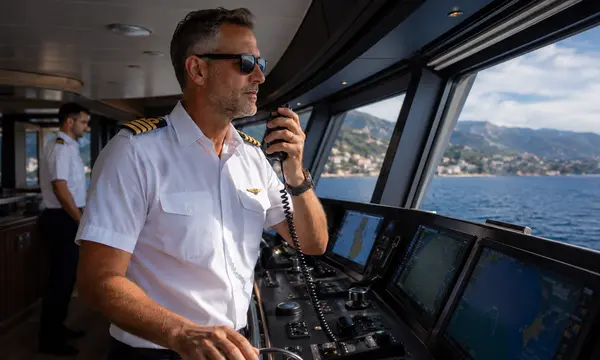
Many large motor and sailing yachts cross oceans routinely, particularly when their range, tankage and design support long passages. The captain plans weather routing, bunkering, crew rotations, spares, security, medical support and arrival formalities, and the yacht remains operationally independent throughout the voyage.
The direct financial cost includes fuel, crew, provisioning, port calls and any additional technical preparation, but the less visible cost is machinery use. Main-engine hours, generators, stabilisers, pumps and hotel systems continue working for days or weeks, and the yacht may need maintenance immediately before or after the passage.
Self-delivery can still be the best option when the yacht is already crewed, the route is part of the owner’s programme or transport schedules do not match required dates. It also avoids loading logistics and allows the captain to alter course or timing as conditions change, although that flexibility comes with exposure to open-ocean weather.
Lift-on/lift-off transport
Lift-on/lift-off uses cranes and engineered slings or lifting arrangements to place the yacht on the deck of a cargo vessel, where it is supported on a cradle and secured for the voyage. Sevenstar describes this as one of the principal yacht-shipping methods, with either shipboard cranes or shore cranes selected according to yacht weight, deck strength and the port’s facilities.
The operation begins well before the crane arrives because naval architects, loadmasters and transport specialists need accurate dimensions, displacement, lifting points and stability information. Cradles, sea fastenings and sling positions are engineered for the individual yacht, and sensitive appendages, paint, antennas and equipment may need protection or removal.
Lift-on/lift-off can serve ports that are unsuitable for semi-submersible operations and can be flexible for yachts, tenders and other marine cargo. The trade-off is that the yacht is physically lifted, so owners and captains need confidence in the lifting plan, survey, insurance arrangements and the carrier’s experience with high-value vessels.
Float-on/float-off transport
Float-on/float-off avoids crane lifting by using a semi-submersible carrier whose deck is deliberately lowered beneath the water. DYT Yacht Transport describes the process as creating a temporary floating marina: the carrier floods ballast tanks, yachts motor over prepared cribbing positions, and the ship then de-ballasts until the yachts settle onto their supports and the deck becomes dry.
Once the yacht is positioned, divers and loadmasters check the cradles and securing arrangements while the vessel rises, after which the yacht is lashed for the ocean passage. At destination the carrier reverses the process, submerging the deck again so the yacht can float free and depart under its own power.
DYT states that its semi-submersible system can carry yachts up to 165 metres, with an average transatlantic delivery time of about 15 days on its service. Its Yacht Servant is designed to operate in water depths of about nine metres and can load floating cargo with substantial draft, while Yacht Express provides a large protected docking bay for multiple yachts.
Why owners use transport ships
The main attraction is reduced wear because the yacht’s propulsion machinery is not running for the ocean crossing and the crew can focus on maintenance, leave or preparation for the next season. A transport sailing can also make a seasonal migration more predictable, particularly when fixed schedules connect Florida, the Caribbean, the Mediterranean, northern Europe and the Pacific.
Shipping can reduce weather exposure for the yacht itself, although the transport vessel still has to operate through ocean conditions and the yacht must be properly secured. Semi-submersible carriers use spray walls and engineered stowage, while heavy-lift carriers rely on cradles, lashings and deck-securing systems designed around the voyage loads.
There can also be a crewing advantage because not every member of the yacht’s normal team has to undertake a long delivery passage. Some carriers provide facilities for approved ride-aboard crew, but the exact number, accommodation and responsibilities depend on the carrier and transport contract.
What has to happen before loading
The transport company needs accurate yacht particulars including length, beam, draft, displacement, appendages and often drawings showing lifting or support points. The captain and manager also review insurance, fuel quantities, batteries, alarms, fire systems, loose equipment, tender stowage and any carrier-specific preparation requirements.
Stow plans are developed in advance because each yacht has to fit around other cargo while maintaining safe access and structural loading on the carrier. DYT explains that cradles, fixtures and fittings are positioned before the yacht arrives, and the ballast calculation for float-on operations takes account of yacht draft and cradle height.
Owners should also plan what happens at both ends, because loading and discharge ports may not be the yacht’s final destination. Pilotage, customs, crew travel, temporary berthing, bunkering and onward delivery can add time and cost even when the ocean transport itself runs exactly to schedule.
How much does yacht transport cost?
There is no useful universal price per metre because carriers quote against route, yacht dimensions, displacement, loading method, schedule, deck space, season and port costs. A 40-metre yacht occupying awkward deck space can price differently from another yacht of the same length, and a last-minute sailing may have a very different commercial basis from a slot reserved months in advance.
The correct comparison is transport cost against the full cost of self-delivery, including fuel, crew, wear, maintenance, insurance exposure and the value of having the yacht available sooner in the next cruising area. For charter yachts, lost charter days can be particularly important because a predictable transport schedule may preserve revenue opportunities that would otherwise be consumed by a long positioning passage.
A specialist quotation should therefore be built around the actual yacht and dates rather than an online rule of thumb. Owners should compare not only price but loading method, insurance responsibilities, cancellation terms, schedule reliability, port handling and the carrier’s technical experience with yachts of similar size and value.
Choosing between sailing and shipping
Self-delivery remains logical when the yacht is designed for the passage, the crew is available and the voyage forms part of the programme, while transport becomes attractive when time, machinery preservation or seasonal repositioning is the priority. Lift-on transport offers broad port flexibility, and float-on transport removes the crane lift for yachts that suit a semi-submersible schedule.
The decision is operational rather than purely financial because a superyacht is both a vessel and a complex asset whose availability has value. The best transport plan is the one that gets the yacht to the next cruising ground safely, on a realistic schedule and in a condition that lets the owner or charter guests step aboard without turning the migration itself into the main event.