Huisfit Selected for Stad Amsterdam Refit as 76m Clipper Prepares for Its Next Chapter
By Superyacht Guide Newsroom · Edited by Superyacht Guide Newsroom
Huisfit Selected for Stad Amsterdam Refit as 76m Clipper Prepares for Its Next Chapter — first-party photo SYG News 24 Nov 2026 batch08
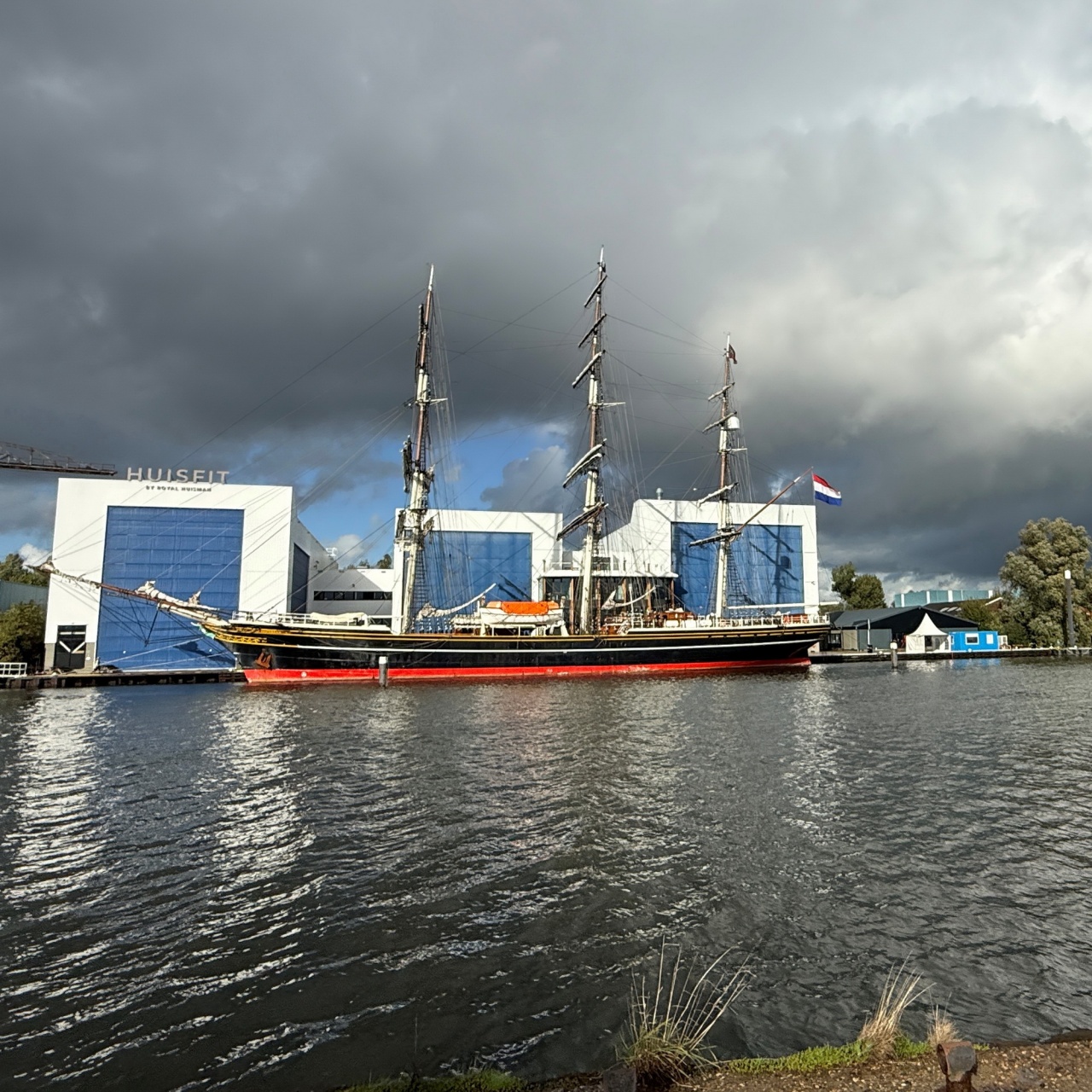
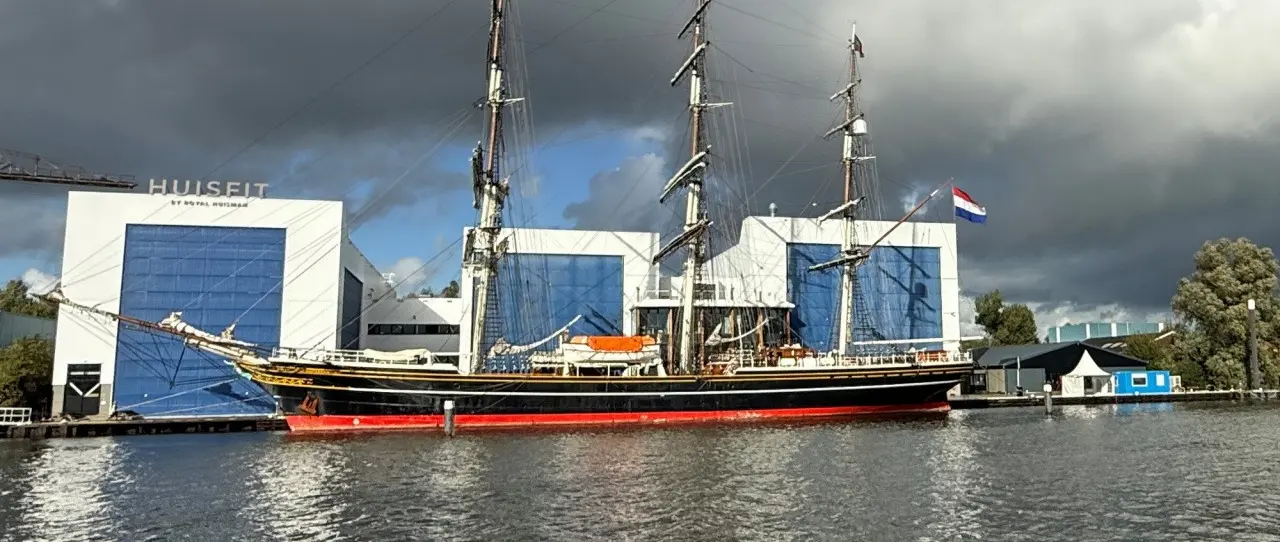
The 76-metre clipper Stad Amsterdam has selected Royal Huisman’s Huisfit division for a programme of refit work, according to the yard’s October announcement.
A working three-masted clipper represents a very different refit challenge from a modern motor yacht, even when the vessels share the same length. Huisfit by Royal Huisman has confirmed that the 76-metre Stad Amsterdam has selected its team for a programme of refit works. The shipyard's announcement, published on 27 October 2026 through the METSTRADE exhibitor news service, identifies the clipper as Amsterdam's official flagship and notes its joint ownership by the municipality and the global staffing company Randstad. Huisfit says the programme is intended to strengthen the vessel's condition, appearance and quality for future service. Detailed work packages, a budget and a completion date are not specified in the announcement. Those omissions are important: this is a confirmed yard appointment, not independent evidence of an extensive rebuild or a finished redelivery.
Stad Amsterdam was delivered in 2000 and is listed in Huisfit's own project references as a 76-metre three-masted clipper built by Damen. She is familiar as a traditional-looking sailing vessel with a contemporary commercial operating history. Her appearance inevitably attracts attention in port, but her significance to the yard extends beyond heritage styling. A tall ship depends on a large interconnected system of spars, stays, running rigging, deck machinery and trained personnel. The seaworthiness of that arrangement must be considered alongside engines, electrical systems, accommodation and regulatory requirements. A yard project involving such a vessel is therefore a useful example of how classic sailing character and modern technical assurance need to coexist.
The original October statement says the vessel has selected Huisfit for an intense period and programme of refit works. It describes a shared ambition to improve condition and presentation, and expresses the Amsterdam team's interest in supporting the clipper's next operating chapter. It does not publish an itemised technical specification or identify particular components being removed. This distinction should guide subsequent coverage: work on rigging, interiors, hull coatings or machinery may be typical subjects of discussion for a tall-ship survey, but none should be presented as contracted tasks without direct confirmation. The editorial priority is to record the appointment accurately and identify the operational issues an owner and yard would ordinarily address when organising such work.
The loads carried by a tall ship vary with wind, sail configuration and the way a professional crew handles the vessel. A refit plan must be built around the owner's intended operating programme and the class and flag framework applicable to the ship. Deck arrangements that look timeless may contain modern equipment and interfaces that demand trained maintenance. Service access can be complicated by traditional finishes and by the need to protect the vessel's visual identity. The project team has to keep safety, authenticity and future maintainability aligned. A decision that appears sensible for a compact motor-yacht mechanism may be unsuitable if it interferes with sail handling or limits safe movement of crew along a working deck.
Before a yard can establish a final work list, a structured condition survey is essential. The scope may involve the hull, deck, spars and attachment points, mechanical machinery, fire protection, electrics and accommodation infrastructure. Each system has a different inspection method and potential consequence if damage is found. A refit can become materially more complex when concealed corrosion, fatigued fittings or inaccessible services are discovered after opening. Responsible project management therefore separates confirmed work from contingency allowances and design options. Huisfit's brief public announcement does not describe survey findings, and it would be wrong to invent them. The key principle is to avoid treating a preliminary refit programme as a final account of what technicians will encounter.
On a three-masted vessel, the condition of wires, ropes, blocks, fairleads, winches and foundations can have a direct bearing on the safety of sail operations. Maintenance intervals and acceptance standards should reflect the ship's actual equipment and operating history, not generic assumptions based on age. If components are to be replaced, the engineering team needs to evaluate the effect on load paths and the handling procedures used by sailors. Deck machinery cannot be considered independently of mast and sail arrangements. Every change that influences control forces or crew movement deserves review by the vessel's responsible technical specialists. This is a category of potential work for a tall-ship refit, not a claim that Huisfit has announced a rigging replacement.
Stad Amsterdam's appearance is part of her public identity. Work that alters a visible feature can therefore have consequences beyond simple engineering. An owner might prefer traditional material or detailing even when modern alternatives are available. Conversely, hidden plant and electrical equipment may need contemporary upgrades to meet operating requirements. The challenge is to select improvements that retain the vessel's recognisable character while reducing maintenance risk. A refit team should document which features have particular heritage or aesthetic value and ensure that contractors understand those priorities before removing anything. Consistent photography, drawings and a protected component inventory can help prevent accidental loss of details that are difficult to recreate.
Unlike a private yacht that may be laid up for a discretionary period, a vessel associated with events, public appearances and professional sailing operations can be sensitive to lost availability. The commercial consequences of a late refit may include disrupted bookings, staffing changes and altered port arrangements. The yard should therefore distinguish critical-path work from desirable enhancements and order long-lead items early. It may be necessary to schedule surveys and tests so that the vessel can return to service with the required documentation. No public completion target has been established in the October Huisfit announcement, and readers should not infer one from an exhibition listing. Operational scheduling remains an important project-management consideration regardless of the eventual delivery date.
Refit projects are often more susceptible to scope growth than new builds because the condition of concealed structure and machinery is only partly visible at the outset. A good contract distinguishes essential repair, regulatory compliance, reliability improvement and optional aesthetic work. Each category can have separate decision points and budget control. Owners should ask how changes will be authorised, who will sign off design consequences and how delays will be documented. The stronger the initial survey, the less likely unexpected work is to become a dispute. A traditional clipper may have unusual components, but the broader lesson applies equally to modern superyachts entering a yard for a complex winter season.
Experienced crew can provide information that drawings and historical service invoices miss. They may know that a particular hatch binds under load, a winch behaves differently in cold weather or a section of equipment takes unusually long to maintain. Those observations should be gathered systematically before the yacht enters the yard. They can shape inspection priorities and identify work that would improve operational safety. Equally important is returning clear documentation to the crew after completion: updated drawings, manuals, spare parts data and records of testing. The yard and owner should not depend on informal verbal handover for a vessel with many interconnected systems.
Huisfit operates within the Royal Huisman group and offers repair, refit and conversion services from its Dutch facilities. Its public references page places Stad Amsterdam within a wider programme that includes sailing yachts, motor yachts and classic projects. Such a range underscores the value of specialised suppliers and careful multidisciplinary coordination. The precise location, work allocation and contractors for this clipper project should be established from the owner's and yard's own updates. The original statement refers to the Huisfit team in Amsterdam, which offers a grounded indication of the yard's intended involvement without proving the assignment of every individual work package.
The success of any major yard visit ultimately depends on whether the vessel works reliably after leaving. Completion photography and polished finishes show only part of the result. Sea trials, functional tests, rigging checks where applicable, safety equipment examination and clear acceptance records establish whether systems perform as intended. The commissioning schedule should include sufficient time to correct faults before the owner resumes normal activity. A commercial sailing vessel also requires crew familiarisation after important changes. The yard and operator should agree what constitutes a completed handover, including documentation and any remaining defects. These are acceptance principles, not statements about tests already performed on Stad Amsterdam.
The public evidence is specific but limited. Huisfit by Royal Huisman's announcement names Stad Amsterdam, confirms the refit selection and states the programme's broad aim. The yard's reference listing identifies the clipper as a 76-metre, three-masted vessel built in 2000. It does not disclose the refit price, detailed engineering scope, completion date or a current independent survey report. Those details should be reported only when confirmed. Treating the announcement as a confirmed award is appropriate; portraying specific unannounced repairs as established fact would not be. The story remains meaningful because it documents a notable Dutch yard's engagement with an operationally distinctive flagship vessel.
Stad Amsterdam's refit selection is a reminder that the superyacht service industry encompasses more than the newest composite tender or custom motor-yacht interior. Large sailing vessels demand technical expertise, careful planning and respect for operating traditions. Huisfit's publicly confirmed appointment places that challenge within an established Dutch refit organisation. The next milestones worth watching are a detailed work scope, any milestones announced by the owner and the vessel's eventual return to service. Until those are confirmed, the responsible conclusion is a simple one: a high-profile clipper has chosen a specialist yard to improve her condition and prepare for the years ahead, and the technical story will develop as verified project information becomes available.
Primary source: Huisfit by Royal Huisman original 27 October 2026 announcement, METSTRADE exhibitor news.
Photo copyright Huisfit by Royal Huisman. First-party photograph of clipper Stad Amsterdam from official 2026 Huisfit references. Official source.
Explore
Go deeper into the yachts, companies, events and destinations directly connected to this article.
Continue reading

HUISFIT by Royal Huisman is promoting a winter 2026–27 refit opportunity at METSTRADE, with availability and scope subject to direct confirmation with the yard.

Huisfit reports progress on the 37-metre Royal Huisman cutter PUMULA, highlighting its extensive engine room rebuild and the captain's experience of the refit.
Royal Huisman's Huisfit division has confirmed the return of the 55-metre Vitters sailing yacht ADELE for a further refit and her 20-year survey programme, …

Flexiteek International's Flexiteek 3 synthetic decking uses bio-attributed PVC derived from tall oil, with extensive colour choices and practical refit considerations.
Superyacht Guide
Continue into the wider Superyacht Guide.
Business opportunities · Superyacht Guide
Companies serving the superyacht market can discuss clearly identified advertising, sponsorship and business-profile opportunities. Commercial activity remains separate from independent editorial coverage.