Flexiteek 3 Revisits Bio-Attributed Synthetic Decking for Superyacht Refits
By Superyacht Guide Newsroom · Edited by Superyacht Guide Newsroom
Flexiteek 3 Revisits Bio-Attributed Synthetic Decking for Superyacht Refits — official first-party supplier image SYG News 24 Nov 2026 batch05
Flexiteek International's Flexiteek 3 synthetic decking uses bio-attributed PVC derived from tall oil, with extensive colour choices and practical refit considerations.
Flexiteek International continues to present its Flexiteek 3 synthetic decking in the METSTRADE 2026 equipment catalogue, with a material formulation the manufacturer describes as bio-attributed PVC derived in part from tall oil sourced from managed forestry operations. The company offers more than 40 deck colour combinations and promotes resistance to ultraviolet exposure together with easier maintenance compared with some traditional alternatives. The catalogue gives an original product release date of 1 November 2024, so this is a current refit-material analysis rather than a fictitious 2026 invention. For superyacht owners, the interest lies in the combined effect of appearance, comfort, surface behaviour and upkeep. Exterior deck covering is a major visible part of a yacht, and replacing it can require significant labour and disruption, making material selection a consequential engineering and design decision.
Large yachts use exterior decks for guest circulation, outdoor dining, crew work, boarding and tender handling. A deck covering may need to provide traction, tolerate regular washdown, withstand sunlight and resist staining from food or marine contamination. It also forms a visible element of the yacht's architectural identity. A synthetic material can offer different properties from natural teak, but no material performs equally well under every condition. Buyers should define the relevant use areas and likely maintenance demands before accepting broad claims about durability. The appropriate specification may differ between an open sun deck and a protected side passage.
The supplier's first-party METSTRADE entry identifies Flexiteek 3 as its patent-pending generation of synthetic teak decking, describing a formulation that uses bio-attributed PVC. It advertises more than 40 colour combinations, UV stability and suitability for maintenance-oriented applications. Flexiteek also refers to a distribution network and relationships with boatbuilders. Those are useful statements of its commercial offering, but they do not establish that every yacht has achieved a particular temperature, friction or lifecycle result. The product should be assessed through current data sheets, approved installation instructions and realistic comparisons.
The manufacturer says the PVC uses an input associated with tall oil obtained from managed forestry rather than relying entirely on conventional fossil-derived feedstocks. This can be a significant sourcing distinction, but the term bio-attributed does not automatically tell a buyer what proportion of physical plant-derived molecules is present in any particular finished plank. Attribution may involve certified accounting approaches within a supply chain. Owners who wish to make environmental claims should request the relevant chain-of-custody documents and ask how the material is traced. It would be misleading to describe the decking as entirely biodegradable or free of plastic based on the manufacturer's brief listing.
Traditional teak decking has a distinct appearance, texture and history in yacht building. Synthetic surfaces may imitate some of those visual characteristics while offering different upkeep and material behaviours. Neither should be treated as universally superior. A yacht owner may value the warmth of timber and its ageing character, while another may prioritise consistent colour or a specific cleaning routine. A fair comparison considers installed weight, thermal response, cleaning practices, slip resistance and lifecycle maintenance. The 2026 product listing does not provide a complete independent head-to-head evaluation, and the newsroom does not invent comparative figures.
Flexiteek's published range of more than 40 combinations could help designers coordinate the deck with hull paint, exterior furnishings or other materials. Yet a colour selected from a digital screen may appear different in strong sunlight or when wet. Large yachts may also have multiple deck areas with varying exposure, making consistency over time important. Sample panels should be assessed in representative lighting before an order is finalised. Designers should consider contrast and wayfinding as well as style, especially around steps and changes in level. Colour selection can affect practicality as well as appearance.
The manufacturer describes the material as UV-stable, an important attribute for decks exposed to prolonged sun. However, the degree and time scale of colour change under real conditions can vary with climate, cleaning products and usage. A buyer should ask for current test data and warranties rather than infer that the surface will remain visually identical indefinitely. A yacht cruising primarily in the Mediterranean may face different exposure from one operating in northern waters. The relevant maintenance programme should recognise those conditions and use products compatible with the deck's formulation.
Deck surfaces can become hot when exposed to direct sunlight, especially in warm climates. Colour, material composition, thickness and airflow can influence the temperature underfoot. A particular light tone may be comfortable in one setting and warmer than expected in another. The manufacturer's official listing does not provide a universal surface-temperature reduction, so this report does not claim one. Owners should evaluate samples under realistic conditions, ideally comparing surfaces with similar exposure. Guest comfort matters on open decks where people may walk barefoot between seating, dining and swimming areas.
The perceived texture of a deck is only part of its slip-resistance performance. A surface may behave differently when wet, contaminated by sunscreen or subject to regular cleaning. The correct test values should come from the manufacturer's technical documentation and, where required, an independent test standard. Superyacht decks may contain slopes, steps and heavily trafficked paths where slip resistance is particularly important. A material should be selected in conjunction with good drainage and clear handholds. It would be unsafe to infer compliance from a photographic resemblance to natural teak or a general description of durability.
Removing an old deck covering may reveal underlying adhesive, damaged substrate or moisture-related issues. Applying a new material requires preparation, precise templates, clean bonding surfaces and the appropriate curing conditions. A technically attractive deck can perform poorly if installed on a compromised substrate. The yard should follow Flexiteek's current application specifications and verify compatibility with the yacht's existing materials. A refit estimate should include removal, preparation, waste handling, fittings and restoration of surrounding details. The material price per square metre may be only one part of the final expenditure.
Large yachts often have cambered deck surfaces, scuppers, hatches, fittings and joints. A covering should not obstruct drainage or create unwanted water traps near hardware. Template accuracy matters where narrow margins are required around polished rails or flush hatches. A synthetic deck may be fabricated in panels or installed by approved methods depending on the product system. Designers should ensure that water pathways remain effective and service access is preserved. A smooth appearance can conceal avoidable problems if expansion, sealing and adjoining materials were not considered during installation.
The long-term performance of an installed deck depends on the bonding system as well as the surface material. Adhesives must suit the substrate, temperature range and environmental conditions, and their use must follow the manufacturer's instructions. Incorrect surface treatment or contamination can weaken a bond. A deck subject to repeated thermal cycles may place different demands on the adhesive from one in a stable indoor environment. Owners should ask which installation systems are approved for their yacht and what preparation records the yard will retain. The result should be a documented assembly rather than a collection of individually attractive materials.
Flexiteek promotes reduced-maintenance qualities, but the actual routine should follow its approved care recommendations. A pressure-washing method suitable for one type of exterior deck may damage another, particularly near joints or damaged surfaces. Abrasive brushes and aggressive chemicals may also affect appearance or durability. Crew should have a written cleaning schedule appropriate to the installed finish and expected contamination. An easily cleaned surface can reduce effort only if the recommended method is practical and consistently followed. No material remains attractive indefinitely if its maintenance limits are ignored.
Outdoor decks may be exposed to oils, red wine, cosmetics, cleaning agents and other substances. Some may be easier to remove from particular materials than others. Marketing language about easy maintenance does not eliminate the need for prompt attention or approved spot-cleaning procedures. A yacht manager should agree with the supplier what kinds of marks are likely to remain visible and how repairs can be carried out. Sample panels can help establish realistic expectations before a large refit. An owner should not discover the maintenance limitations only after a guest event creates a stubborn stain.
Over the life of a superyacht, deck coverings may suffer local damage from dropped equipment, furniture movement or repairs to fittings. The ability to restore a small area without replacing a much larger section can be commercially significant. Buyers should ask about compatible repair methods and how colour matching works on a surface that has aged. The official Flexiteek entry does not guarantee invisible repairs across every shade or installation. Maintaining a record of the original product, colour and batch can support future work. A serviceable design reduces the difficulty of maintaining a consistent appearance through changing seasons.
Changing deck material can affect weight, but the impact depends on thickness, adhesive, substrate work and the areas covered. It would be inappropriate to claim a specific displacement saving for a yacht without a detailed bill of materials. Some synthetic products may be chosen for weight or installation advantages, but those need confirmation through comparable construction methods. A naval architect should review the proposal if a significant area or structural component is affected. A refit manager can calculate installed mass from approved specifications rather than relying on promotional comparisons between materials.
Using bio-attributed PVC can form part of a sourcing strategy, but environmental assessment also needs manufacturing energy, transport, maintenance, replacement intervals and end-of-life management. A material with an improved feedstock profile is not automatically the lowest-impact option in every setting. A responsible owner should request environmental product information if sustainability reporting is a priority. The manufacturer's product entry does not supply an independent whole-yacht lifecycle assessment, and no carbon-saving percentage is invented here. The clearest claim is the supplier's stated use of a different attributed feedstock within its PVC formulation.
An exterior designer may focus on colour, seam layout and integration with furniture, while the captain and deck team are concerned with cleaning, repairs and safe footing. Their priorities should be discussed before material is ordered. The yard also needs installation details, access plans and a realistic work sequence. A good specification records colour, panel arrangement, adhesive, expected maintenance and warranty conditions. This reduces misunderstandings during a refit and provides a useful reference for future repairs. The final choice must serve the yacht's appearance and its daily operation.
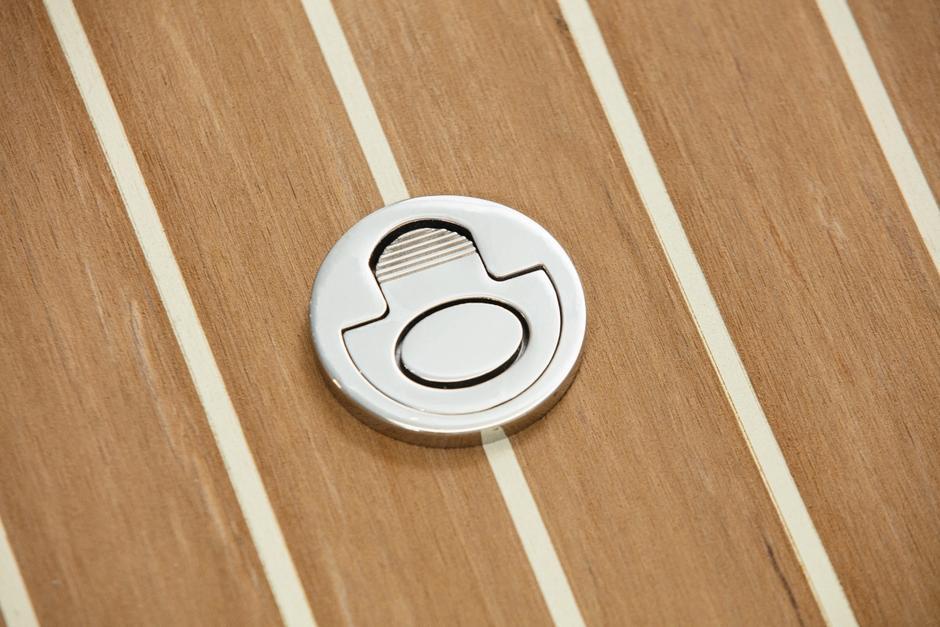
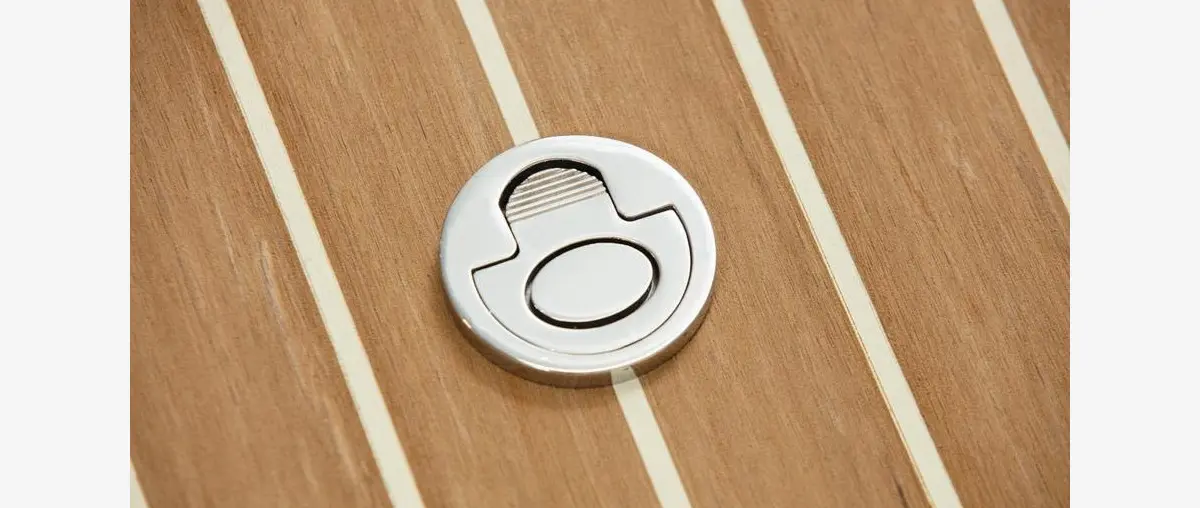
The lead photograph is an original Flexiteek International image from the first-party Flexiteek 3 product entry in the official METSTRADE catalogue. It is credited to the manufacturer and illustrates its decking product, rather than a named superyacht project completed in November 2026. The company records 1 November 2024 as the original release date. Its descriptions of bio-attributed PVC, tall-oil feedstocks and the colour range are treated as manufacturer claims. This newsroom has not measured installed slip resistance, lifetime carbon emissions or service life on a particular yacht.
The presence of Flexiteek 3 in the 2026 marine industry catalogue is an opportunity for owners and refit managers to evaluate a widely visible alternative to conventional deck coverings. It offers a defined material story and a broad palette, but its practical value will depend on careful installation, suitable maintenance and honest performance expectations. For a large yacht, a deck refit should be treated as a long-lived investment in function as well as appearance. The right decision begins with the yacht's operating environment and the owner's priorities, followed by samples, technical data and a complete yard plan rather than a claim that a particular material is maintenance-free.
Primary source: Flexiteek International original Flexiteek 3 product specification, released November 2024 and maintained in 2026.
© Flexiteek International. Official manufacturer image of Flexiteek 3 synthetic decking and colour finishes. Official source.
Explore
Go deeper into the yachts, companies, events and destinations directly connected to this article.
Continue reading
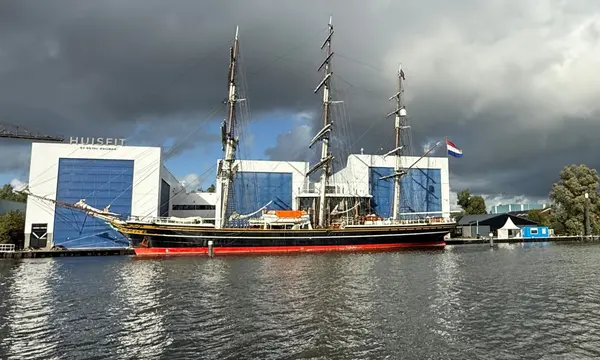
The 76-metre clipper Stad Amsterdam has selected Royal Huisman’s Huisfit division for a programme of refit work, according to the yard’s October announcement.
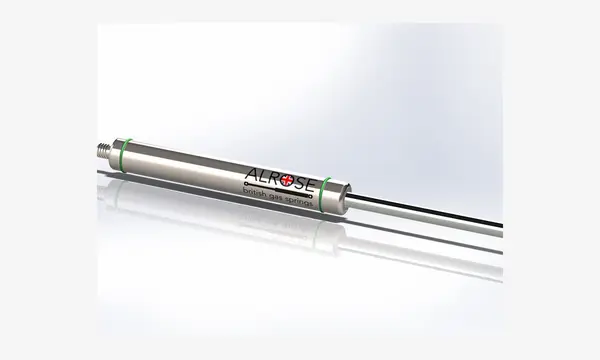
Alrose & Falcon describes marine stainless-steel compression gas springs, explaining positioning, seal lubrication and safe hatch support for yacht applications.

International Paint's B-Free Explore uses a smooth, slick biocide-free coating approach for marine fouling control; superyacht technical teams must assess operating fit.

Pendennis details a second major transformation of the 68.8m expedition yacht JESTER, with hybrid propulsion, new machinery and exhaust treatment following her 2023 rebuild.
Superyacht Guide
Continue into the wider Superyacht Guide.
Business opportunities · Superyacht Guide
Companies serving the superyacht market can discuss clearly identified advertising, sponsorship and business-profile opportunities. Commercial activity remains separate from independent editorial coverage.