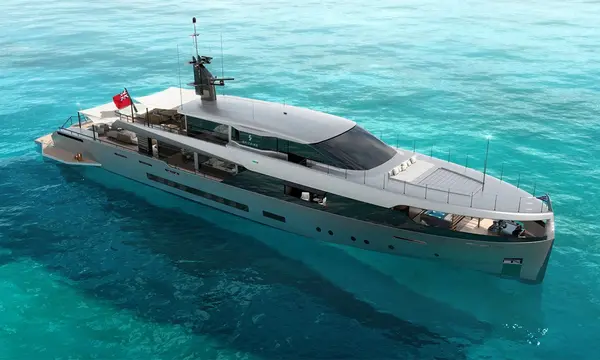
ARES Details Hybrid Engineering Behind 50.55m SPITFIRE Motor Superyacht
ARES Yachts' 50.55m SPITFIRE project combines a lightweight composite hull, hybrid electric drive and a radically flexible guest layout as the Antalya yard develops …
© ICOMIA / originating news and event partners. Official first-party editorial press image from the association’s release.
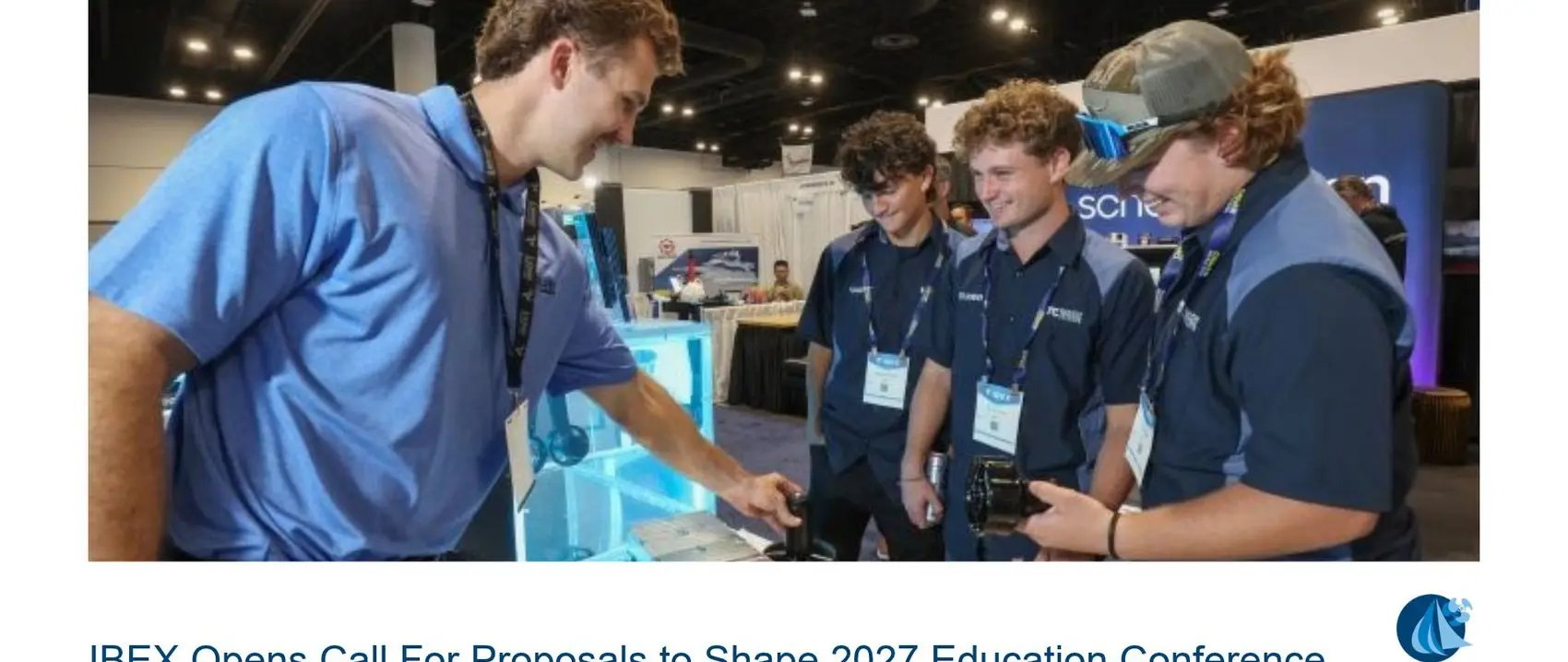
IBEX opens its 2027 education proposal call, seeking technical case studies for marine builders, yacht engineers, refit specialists and service operators.
The International BoatBuilders' Exhibition and Conference has opened its proposal process for its 2027 education programme, with submissions due on 4 January 2027. ICOMIA publicised the invitation on 9 November 2026, noting that the conference is planned for 7–9 December 2027 at the Tampa Convention Center in Florida. The call is intended for designers, builders, naval architects, engineers, technicians and specialists who can translate professional experience into useful training. For the superyacht industry, the news is relevant because many technical challenges faced by large-yacht shipyards and refit teams also involve materials, electrical systems, propulsion, manufacturing methods and workforce skills.
The organisers want presentations that address technical problems, troubleshooting, case studies and improved methods. The official account says seminar content should be specific to boatbuilding and non-commercial, without promoting a particular product or service. This distinction matters at trade events where technical discussions can otherwise become disguised sales presentations. A useful session should explain the conditions under which a method works, its limitations and what evidence supports the outcome. A demonstration may introduce a new process, but participants need enough information to judge whether it suits their own yard. The emphasis on applied knowledge can make the conference more valuable than a sequence of marketing claims.
ICOMIA gives 4 January 2027 as the deadline for proposed seminar sessions. That date is important because the education programme is planned well ahead of the December exhibition. Potential contributors should check the current application rules and required materials through the official IBEX channel rather than relying on an article alone. A successful proposal is not guaranteed a speaking slot, and the selection criteria may involve relevance, originality and the practical value of the proposed content. Employers should coordinate any submission with technical staff so that examples can be shared without exposing confidential client, design or supplier information.
The association says the planned technical seminars are 90 minutes long and will run during the three-day show. That is enough time to explore a technical problem in depth if the speaker provides an organised explanation and carefully chosen examples. An effective session might define a problem, show the underlying engineering considerations and describe what happened when a process was tested. It should distinguish measured outcomes from assumptions. A large-yacht project team attending such a seminar may use the information to improve its internal procedures, but a presentation alone cannot replace class approval or a design-specific engineering review.
The list of proposed topics explicitly includes AI and robotics in manufacturing. These technologies could support inspection, material handling or repetitive production tasks, but their value must be assessed against accuracy, cost and safe interaction with skilled workers. A shipyard may have access to very different data and production volumes from a high-throughput manufacturing facility. Consequently, a case study should explain the environment in which a tool was used and whether it improved quality or efficiency under comparable conditions. The conference's interest in AI is a sign that the subject is part of industry training, not proof that particular software is ready for unrestricted use in safety-critical yacht systems.
Three-dimensional printing is another subject in the call. In a yard or refit facility, additive manufacturing can be useful for prototypes, tooling and some non-critical components, but adoption depends on material properties and the purpose of the part. The source does not announce approval of printed safety-critical yacht equipment. Engineers need to consider repeatability, tolerances, documentation and whether a chosen process meets the requirements of the application. A well-designed seminar can help distinguish promising uses from inappropriate ones. For large-yacht projects, the most useful information is often the limitations and quality-control measures rather than a dramatic demonstration of a finished object.
IBEX invites sessions about electrification and propulsion, issues relevant to both smaller craft and sophisticated large-yacht systems. The technical lessons may involve batteries, electric motors, distribution arrangements or integration with conventional propulsion. However, equipment used on a tender cannot simply be scaled to a superyacht's power profile. Designers must account for redundancy, cooling, charging, protection and the way the vessel is actually operated. An educational session can clarify these dependencies, enabling procurement teams to ask better questions. It should not present a single technology as the right answer for every hull size or cruising programme without verified supporting data.
Modern yachts integrate navigation, communications, hotel loads, entertainment, power management and safety-critical equipment. The call includes onboard electrical systems because increasingly complex installations require careful documentation and troubleshooting. A useful technical programme should discuss failures and interfaces rather than merely list new components. Engineers need to know how systems respond to faults, what information is available for diagnostics and how operators can maintain them far from the original yard. Electrical training is particularly important during refits, when new equipment must interact with systems designed years earlier. The conference's proposed content can contribute to awareness, but all modifications still need vessel-specific review.
IBEX includes repair, refit and service-yard operations among the proposed areas. That is directly relevant to large yachts, which may undergo scheduled maintenance, upgrades or complex structural work during limited yard windows. Technical sessions could cover better planning, safe work methods and the management of materials or contractors. No specific solution is confirmed by the call, so it would be misleading to describe a future seminar as already selected. What is established is the organisers' desire to hear practical professional experience. Yards should favour examples supported by clear records rather than promotional accounts of projects with unresolved technical or commercial questions.
The list also includes composites, metal construction, renewable materials and construction methods. Such topics shape hull production, deck equipment, interiors and repairs. Material selection must account for weight, durability, fire performance, manufacturing conditions and maintenance over time. A new material may offer environmental benefits but still require careful testing and documentation. Educational sessions are valuable when they explain how design teams evaluate trade-offs. The source does not provide performance claims for a named product. Therefore, the news can address the professional need for evidence-based training without implying that an untested alternative has received industry or classification approval.
Marine investigations and surveying are another category in the proposed programme. Surveyors and investigators need to connect observable evidence with credible technical explanations. In large-yacht operations, findings may influence maintenance, purchasing and the handling of a casualty. A training session should explain the limitations of its methods and distinguish between observations, conclusions and possibilities requiring further testing. The inclusion of this category indicates that the organisers recognise the importance of reliable diagnosis as well as new construction. It does not identify the curriculum of a particular investigation session until the final education programme is announced.
The proposed subjects extend to marina and boatyard management, reflecting the fact that marine businesses depend on infrastructure and workflow as much as technical products. Large yachts require dependable berthing, utilities, safe contractor access and coordinated maintenance. Operators can benefit from case studies about service planning, yard safety or the integration of technical and commercial records. The technical value of an example depends on whether it accounts for different vessel sizes and site conditions. A method that improves a small-boat storage operation may not translate directly to a superyacht facility without substantial adaptation. Education should make those boundaries clear.
The organisers seek content on sustainability, regulatory codes, recycling and waste reduction. In yachtbuilding, this may involve production processes, materials, energy or the treatment of components at the end of their useful life. The important questions are measurable: what is saved, what new burden is created, and how is the result assessed? A claim about reduced waste should be supported by a defined process and records, not simply a broad environmental label. The IBEX call creates an opportunity for suppliers and yards to share practical methods. It does not establish the effectiveness of any particular technology before a presentation has been selected and evaluated.
Marine industry leadership, management and policy are included alongside technical subjects. A yard adopting new equipment needs people who can implement it and maintain consistent standards. Training may address project communication, quality assurance or the transfer of expertise between experienced staff and new recruits. These issues are especially significant on large yachts, where specialised trades work closely together over long build and refit periods. A technical innovation can fail commercially if installation teams lack the required skills or if project management does not accommodate its requirements. The organisers' broad programme recognises this relationship between technology and competent execution.
ICOMIA also describes a call for speakers and topics for the IBEX Main Stage, with free talks, panels and technical discussions. Topics may include market trends, workforce development, leadership and supply-chain challenges, alongside emerging technologies. The Main Stage differs from a detailed 90-minute seminar, and prospective speakers should confirm which format suits their material. A short panel may be useful for broad industry debate but cannot provide the evidence needed for an engineering approval. Keeping those formats distinct helps attendees understand what they can reasonably learn from a session and how to follow up on interesting claims.
IBEX 2027 is scheduled for 7–9 December in Tampa, with pre-conference sessions planned for 6 December. Those dates are prospective and should be confirmed with the organisers before travel or exhibition commitments are made. For international yacht builders, attendance can involve substantial cost, especially when delegates must leave active projects. The education programme's value will depend on the eventual speakers, quality of content and relevance to practical work. The call for proposals is a preparatory milestone, not the final timetable. Company training budgets should therefore retain flexibility until the programme has been formally announced.
The verified news is that IBEX is inviting technical education proposals, with a January submission deadline and December 2027 event dates. The call specifically mentions AI, robotics, additive manufacturing, electrification, onboard electrical systems, surveying, refit and marina operations. ICOMIA does not report that all these subjects have already been accepted into the final programme or that speakers have been confirmed. For superyacht yards and technical managers, the opportunity is to contribute genuine case studies and learn from professional practice across the broader marine sector. The best outcome would be more reliable methods, clearer engineering decisions and better-qualified people.
Continue reading
ARES Yachts' 50.55m SPITFIRE project combines a lightweight composite hull, hybrid electric drive and a radically flexible guest layout as the Antalya yard develops …
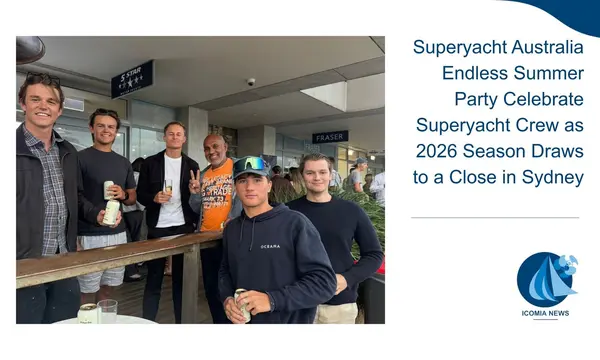
Superyacht Australia reports 60 crew from 20 yachts attending its 2026 Endless Summer event at Sydney Superyacht Marina, with international crew networking.
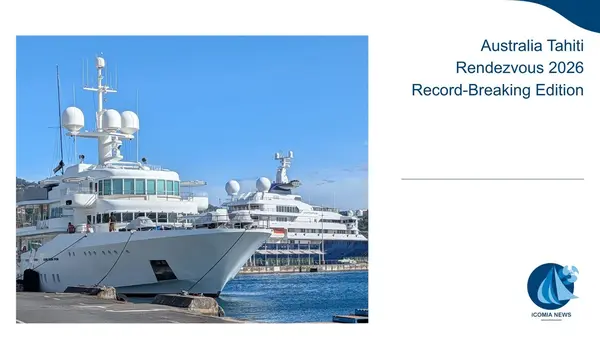
The Australia Tahiti Rendezvous records more than 150 visiting crew at Marina Taina, Papeete, with business discussions and a 100m yacht crew cooking win.
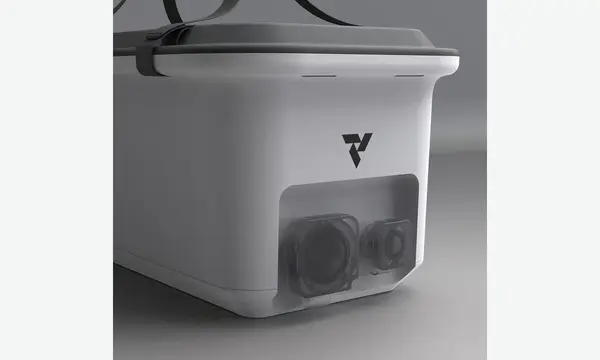
Vital Lyfe promotes Access, a portable seawater watermaker; superyacht crews may assess it for tender use or contingency water rather than primary production.
Superyacht Guide
Continue into the wider Superyacht Guide.
Business opportunities · Superyacht Guide
Companies serving the superyacht market can discuss clearly identified advertising, sponsorship and business-profile opportunities. Commercial activity remains separate from independent editorial coverage.