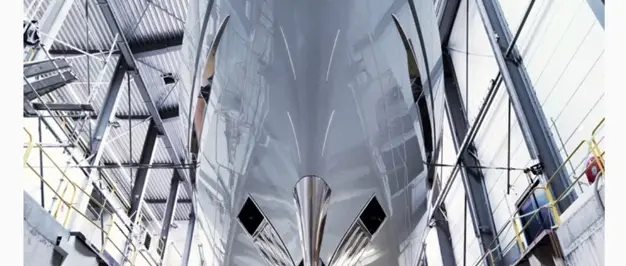
Jotun Says Imperial Can Cut Superyacht Hull Carbon Footprint 50%
By Stephen Yardley · Edited by Stephen Yardley
Image: Jotun
Jotun says its Imperial fouling-protection system can deliver an approximately 50% lower lifecycle carbon footprint over 30 years than a conventional coating specification.
Jotun Yachting has published new lifecycle analysis claiming that its Imperial fouling-protection system can produce an approximately 50% lower carbon footprint over a 30-year superyacht service life than a conventional antifouling specification. The finding puts underwater hull condition into the wider discussion about superyacht fuel efficiency, because fouling increases hydrodynamic drag and can raise both fuel consumption and operating cost.
Jotun released the analysis on 8 September 2026 and says the reduction is not based on one single factor. It combines fewer maintenance cycles, lower paint consumption and less waste with the operational benefit of keeping the hull cleaner, although the real-world result for any yacht will still depend on its cruising pattern, idle time, water temperature, maintenance practice and speed profile.
Marine growth changes the surface of a hull and increases the resistance that propulsion systems must overcome. On a large yacht, even a modest increase in drag can translate into more engine load for the same speed, while severe fouling can have a much greater effect on fuel use and range.
Jotun says that in some cases a fouled hull can add more than 50% to a yacht’s annual fuel bill. That figure should not be treated as a universal outcome, but it illustrates why hull condition is an operational issue rather than simply a cosmetic or dry-docking matter.
The company developed Imperial specifically around the operating pattern of large yachts, which can spend long periods stationary at anchor or in marinas and may then move quickly between cruising regions. Those long idle periods can create challenging conditions for antifouling systems because they provide time for organisms to attach and grow before the vessel returns to sustained movement.
Imperial is based on silyl acrylate self-polishing technology and is designed to expose an active surface in a controlled way as the vessel operates. Jotun says the system can be tailored to a yacht’s expected voyage factor, sailing pattern and operating environment, rather than applying one standard coating specification to every vessel.
The product is intended to remain effective during extended idle periods and in warm-water conditions, both of which are common in superyacht use. Jotun also lists a service life of up to 60 months and a guarantee period of up to 36 months for the Imperial product, subject to the applicable specification and operating conditions.
That longer maintenance interval has two potential effects. A yacht may use less coating material and generate less paint-related waste over time, while avoiding unnecessary dry-dock work can reduce both direct maintenance expenditure and the disruption associated with taking a yacht out of service.
Jotun says the approximately 50% carbon-footprint reduction comes from a lifecycle comparison rather than simply measuring the emissions associated with a single application of paint. The analysis considers material production, maintenance cycles, paint consumption, waste and operational efficiency across a 30-year period, which is a more useful framework for a long-lived asset such as a superyacht.
The company says Imperial uses roughly half the paint volume of the business-as-usual reference specification used in the comparison. Jotun developed that reference approach in collaboration with leading paint manufacturers and the Water Revolution Foundation, giving the assessment an industry context rather than comparing the product against an undefined baseline.
Water Revolution Foundation executive director Leah Werner emphasised the importance of including the full lifecycle in environmental assessment. For yacht owners and managers, that approach is increasingly relevant because a product that appears efficient at purchase can have a very different impact once repeated maintenance, replacement and operational energy use are included.
Effective antifouling is not only about fuel and carbon. Organisms carried on a hull can be transported between regions, and reducing fouling can help limit the transfer of invasive marine species, while a cleaner hull can also reduce the frequency of underwater cleaning operations.
That creates a balance between maintaining hull efficiency and managing the environmental effects of coatings and cleaning. Modern fouling-control strategies increasingly look at the whole system: coating chemistry, application quality, vessel activity, inspection, cleaning method and the local rules that govern in-water hull work.
For superyachts, this is particularly important because the operating profile is unusual. A vessel may spend weeks stationary in the Mediterranean, make a high-speed passage, cross an ocean and then remain at anchor in tropical water, so coating performance has to cope with very different conditions over one service interval.
The headline figure is significant because many sustainability discussions focus on alternative fuels or major propulsion changes that require new machinery or a new yacht. Hull condition is different: it is a maintenance variable that owners of existing yachts can address during normal coating and dry-docking cycles, making it one of the more practical levers available to the current fleet.
That does not mean a coating alone can deliver a 50% reduction in a yacht’s total carbon emissions. Jotun’s claim concerns the lifecycle carbon footprint of the fouling-protection system and the operational effects attributed to cleaner hull performance, so it should be read within that defined scope rather than as a reduction in the yacht’s entire environmental footprint.
The analysis nevertheless reinforces a useful principle for owners and technical managers: efficiency losses beneath the waterline are measurable operating costs. Better fouling control can influence fuel burn, maintenance planning, emissions and biosecurity at the same time, which makes hull protection a more consequential engineering decision than its relatively low visibility suggests.
Owners comparing coating systems should also separate the product claim from the quality of application, because surface preparation, film thickness and dry-dock workmanship can influence performance as much as the chemistry itself. A premium antifouling specification can only deliver its intended service life if the substrate is prepared correctly and the coating system is applied, inspected and maintained to the manufacturer’s requirements.
For fleet managers, consistent hull-condition records can make the benefit easier to verify over time. Speed, fuel burn, cleaning history and dry-dock findings provide evidence of whether the chosen coating is actually maintaining the efficiency assumed in the lifecycle model.
Explore
Go deeper into the yachts, companies, events and destinations directly connected to this article.
Continue reading
Lloyd’s Register says nuclear propulsion for superyachts now warrants serious safety and regulatory work, while major technical and societal barriers remain.
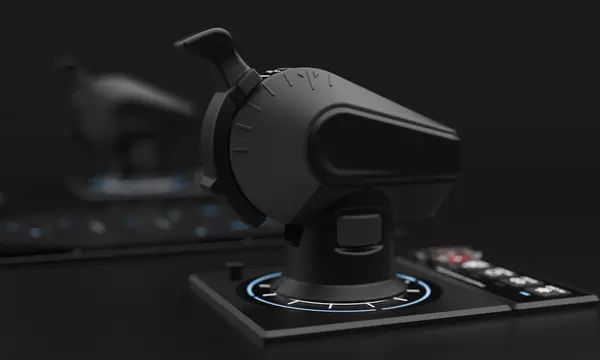
SCHOTTEL’s new PropControl 4 platform combines propulsion controls, telemetry, cybersecurity and remote service for thrusters and controllable-pitch propellers.
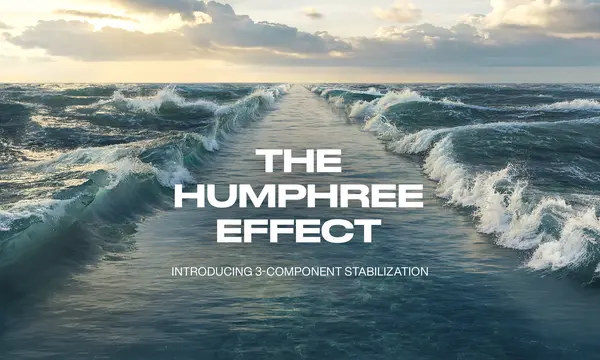
Humphree has integrated a new HIG5 gyro with its fins and interceptors under one control system, claiming roll reduction of up to 95% in …
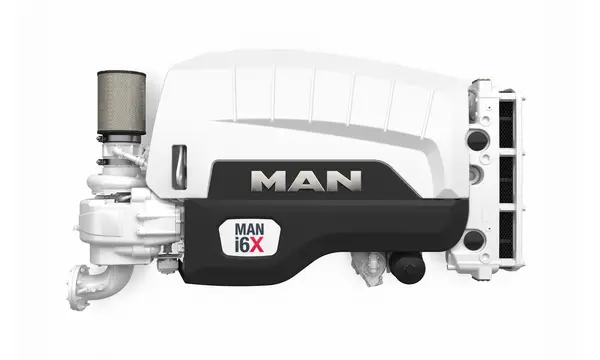
MAN Engines has shown its new 1,000hp i6X yacht engine at Cannes, extending its 12.4-litre six-cylinder platform ahead of production planned for 2028.
Superyacht Guide
Continue into the wider Superyacht Guide.