Company
International Yacht Paint
Explore the company profile and related Superyacht Guide coverage.
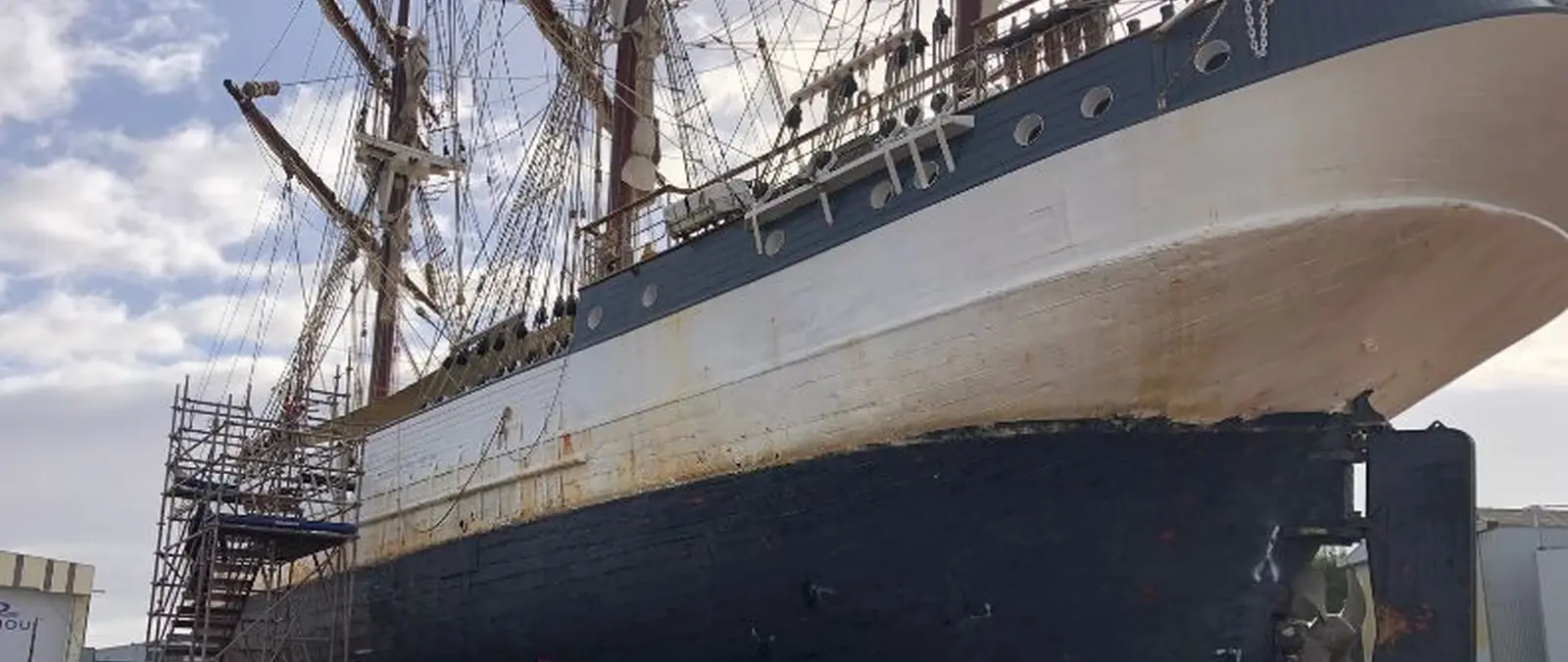
A newly released International Yacht Paint case study details the multi-port refit of 47m heritage barque Le Français, completed in April 2026.
A newly released case study from International Yacht Paint has detailed the refit of the 47m heritage sailing vessel Le Français, tracing work carried out across four French ports between mid-February and mid-April 2026. The account was published on 25 August, but the physical refit was completed months earlier and the vessel was relaunched at Concarneau in late April.
Operated by Marine Évènements and based in Saint-Malo, Le Français was built in Denmark in 1948 and previously sailed as Kaskelot. The three-masted barque’s age and traditional appearance made protection of the steel vessel and preservation of its varnished detailing central to the maintenance programme described by International.
The programme did not take place in a single location, with work moving through Saint-Malo, Concarneau, La Rochelle and Brest. International’s project account records a coordinated sequence of maintenance and finishing work as Le Français progressed through the refit between mid-February and mid-April.
That geographic spread distinguishes the project from a conventional single-yard refit and is one of the most notable details in the newly published account. Marine Évènements remained the vessel operator while International products were selected for the coatings and finishing programme carried out during the maintenance period.
Le Français required a coatings programme capable of protecting an ageing steel vessel while retaining the visual character expected of a historic three-masted barque. International says the refit included antifouling and protective coating work, addressing surfaces that must withstand prolonged exposure to salt water and weather.
The maintenance extended beyond basic underwater protection, with the project account documenting finishing work intended to preserve the vessel’s established appearance as well as its structure. That combination is particularly important on an active historic vessel, where protection and presentation have to be managed together.
Varnished timber formed another important part of the programme, with International highlighting high-gloss varnish among the products used during the refit. On a vessel built in 1948, those brightwork areas contribute strongly to the traditional appearance even though the protective systems applied during maintenance are modern marine products.
The coatings work sits within the yacht and marine portfolio of AkzoNobel Yacht Coatings, the parent business behind the International brand. For this article, however, International Yacht Paint is the most precise company relationship because it is the brand identified in the newly published project case study.
International records the active refit window as running from mid-February to mid-April 2026, followed by Le Français being relaunched at Concarneau in late April. That chronology matters because the 25 August publication is a retrospective technical account rather than news of a vessel that has only just returned to the water.
The relaunch closed the documented maintenance period after work across four French ports under Marine Évènements’ operation of the vessel. The August release therefore adds detail to an already completed 2026 refit instead of announcing a new launch, conversion or ownership change.
Historic yachts and sailing vessels require maintenance decisions that balance preservation with the operational demands of remaining active at sea. Le Français illustrates that balance clearly, with modern protective products applied to a vessel whose identity depends heavily on traditional form, timber detailing and visible craftsmanship.
The newly released International account adds a useful technical layer to the vessel’s recent history by documenting where the refit took place and how coatings, antifouling and varnish formed part of the programme. It also gives the work a clear chronology, separating the April completion and relaunch from the later August publication of the project details.
Explore
Go deeper into the yachts, companies, events and destinations directly connected to this article.
Company
Explore the company profile and related Superyacht Guide coverage.
Continue reading
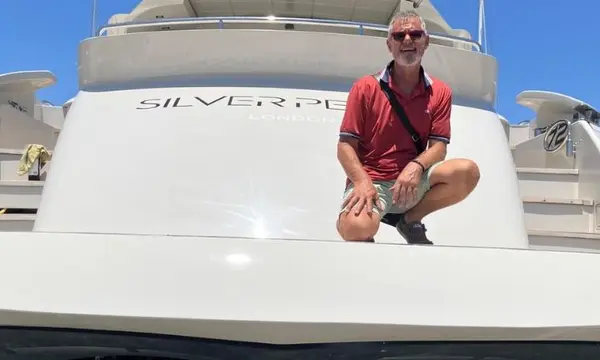
AkzoNobel's International yacht-coatings brand is rolling out Micron 350 in Asia-Pacific, with up to two years of self-polishing antifouling protection.
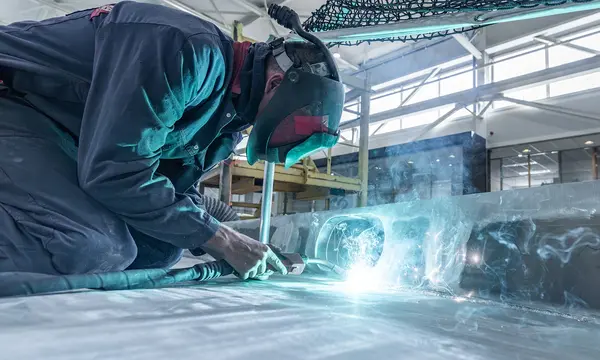
Royal Balk Shipyard in Urk says demand is growing for its large yacht ReCraft programmes. The yard reports four completed refits in 2026 and …
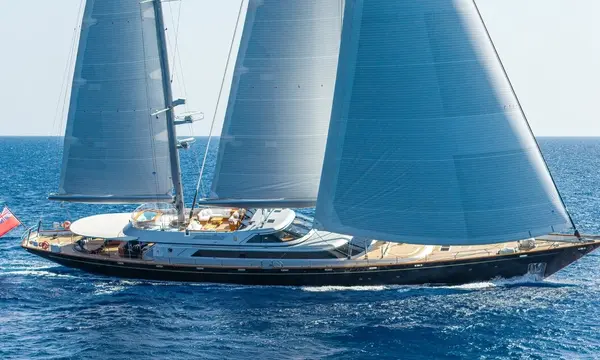
The historic 47m Perini Navi ketch ANDROMEDA LA DEA has emerged from a comprehensive 2026 rebuild involving renewed steel decks, onboard systems and Liaigre …
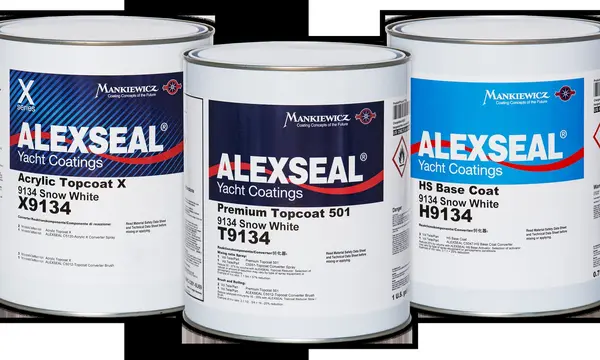
Alexseal's Acrylic Topcoat X combines high-gloss finishing claims with a forgiving application process, prompting practical questions for yacht refit yards working to demanding schedules.
Superyacht Guide
Continue into the wider Superyacht Guide.
Business opportunities · Superyacht Guide
Companies serving the superyacht market can discuss clearly identified advertising, sponsorship and business-profile opportunities. Commercial activity remains separate from independent editorial coverage.