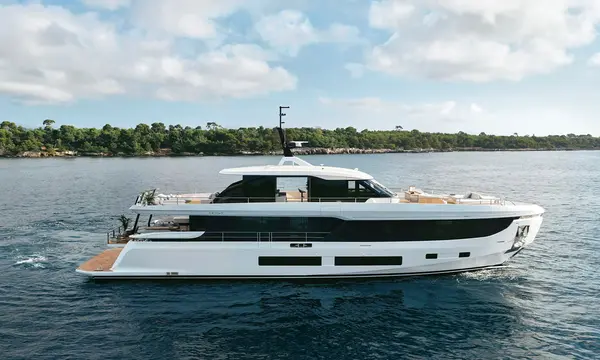
Azimut Confirms Grande 30M and Magellano 30M at Fort Lauderdale 2026
Azimut confirms two existing models will be showcased at the upcoming Fort Lauderdale yacht show, highlighting their distinct design and performance features.
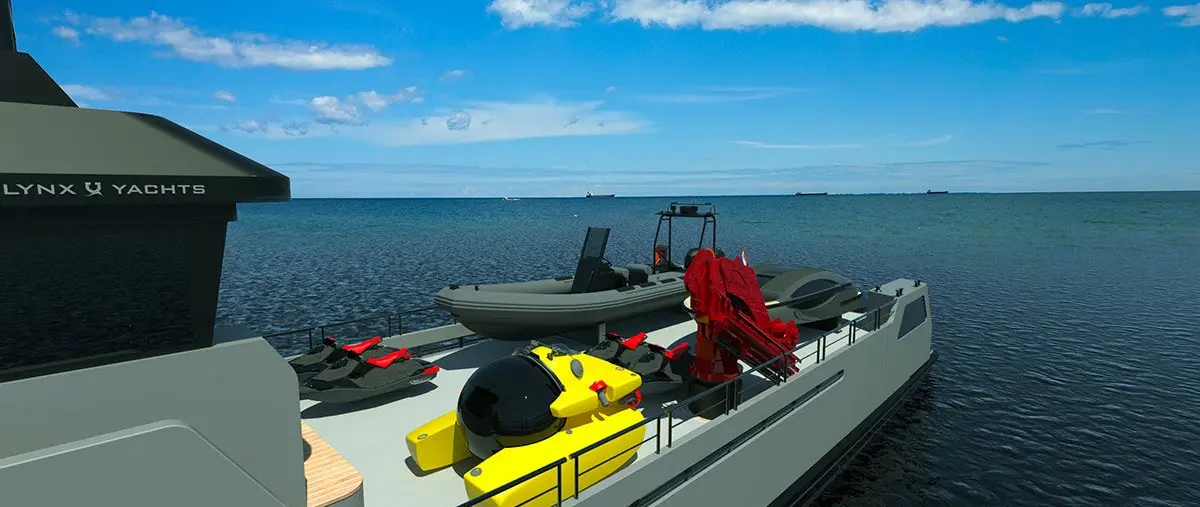
Technical guidance highlights YXT 34 deck and crane design for mission-specific operations.
The tender on an explorer yacht serves as a critical link between the vessel and remote anchorages, enabling access to locations without established marina infrastructure. This small boat allows guests to reach secluded beaches, collect supplies from local villages, and conduct dives in areas beyond the reach of the main yacht. Its versatility ensures that operations can continue even in the absence of traditional docking facilities, making it essential for extended voyages.
In remote environments, the tender's ability to quickly transport guests and crew back to the yacht becomes vital, especially during adverse weather conditions. This functionality reduces reliance on the main yacht for all logistical needs, enhancing operational flexibility. For wealthy owners and professional captains, the tender's role is not just about convenience but about maintaining the integrity of the cruising experience in isolated regions.
Lynx Yachts highlights the importance of selecting the right tender for specific explorer-yacht missions. Rigid inflatable boats (RIBs) are described as the workhorse, offering buoyancy and stability in challenging sea conditions. Their design allows for safe operations alongside the yacht and during beach landings, making them ideal for crew runs, diving, and shore excursions. The emphasis on handling swells and maintaining control underscores their reliability in dynamic environments.
Limousine tenders, in contrast, provide an enclosed cabin that ensures guest comfort in high-latitude conditions where weather can be harsh. These tenders are heavier and require more deck space and lifting capacity, reflecting their role in maintaining a dry and warm environment for passengers. The need for additional deck space highlights the logistical considerations involved in deploying such tenders, particularly in remote or extreme environments.
The YXT 34's main deck, spanning 145 square metres, is designed to offer maximum flexibility for its owner's operational needs. The non-slip, hard-wearing surface ensures durability while allowing for a variety of configurations. This space can simultaneously accommodate a large RIB, limo tender, four Wave Runners, and even a submarine, making it ideal for extended exploration missions or high-capacity transport operations.
In addition to hosting multiple tenders and watercraft, the deck can also be configured to store a large container for spare parts, alongside a complement of tenders and toys. This flexibility highlights the deck's adaptability, catering to both practical and recreational requirements without compromising functionality. The main deck, with its 145-square-metres of space, offers endless configuration options to meet an owner’s specific needs, including the ability to accommodate a large RIB, limo tender, four Wave Runners, and a submarine simultaneously.
The YXT 34 features a knuckle boom crane mounted on its main deck, offering variable lifting capacity depending on the crane's reach. At a short reach of 3.5 metres, the crane can lift up to 15.2 tonnes, making it suitable for heavy-duty tasks such as loading large equipment or securing heavy cargo. This capability is essential for superyacht operations where efficiency and precision are paramount. The design allows for significant lifting power when working close to the vessel, ensuring that operations remain manageable even in tight spaces.
However, as the crane extends to a reach of 11.4 metres, its lifting capacity decreases to 4.2 tonnes. This reduction in power is a direct result of the increased length of the boom, which affects the mechanical advantage and load distribution. For yacht captains and crew, this variation in lifting capacity must be carefully considered when planning operations, as it impacts the types of tasks that can be performed at different distances from the vessel. The crane's performance is thus not a universal guarantee but a function of its operational reach.
Selecting the right tender for an explorer yacht involves balancing capacity, seaworthiness and operational needs. A primary tender must accommodate all guests and crew, plus additional gear like dive equipment or provisions. In exposed anchorages, hull form and freeboard are critical for stability, with deeper V-hulls performing better in open water and flatter hulls offering greater beach access. Many owners opt for a combination of a robust RIB and a smaller, lighter boat for versatility in different conditions.
Safe launch and recovery procedures are essential for effective tender operations. The system used—whether a deck crane, garage or hydraulic platform—must be reliable and capable of handling the heaviest boat with a margin of safety. Recovery, especially in challenging conditions or at the end of a long day, requires clear procedures and crew training. Practical considerations such as secure stowage, safety equipment and local regulations also play a key role in ensuring the tender’s utility and compliance with operational constraints.
The YXT 34 offers adaptable support spaces tailored for both operational efficiency and owner customization. Below deck, two 14.5-square-metre rooms provide flexible layouts, currently configured as a laundry area with three machines, an ironing station, and large refrigeration units. These spaces can be reconfigured to suit specific needs, enhancing the yacht’s versatility for extended voyages or specialized missions. The 62-square-metre lazarette aft of the engine room is designed for storing recreational gear such as inflatable toys, surfboards, canoes, and scuba equipment, ensuring all necessary items are readily accessible during exploration activities.
The YXT 34 features a 24.5-square-metre crew mess area and three double cabins, all adaptable to crew requirements. Technical specifications include an overall length of 33.80 metres, a beam of 8.85 metres, and a draft of 2.25 metres, ensuring a stable and seaworthy platform. The yacht’s maximum speed is 17.0 knots, with a fuel capacity of 760 litres per hour, reflecting a focus on functional design and operational efficiency.
Continue reading
Azimut confirms two existing models will be showcased at the upcoming Fort Lauderdale yacht show, highlighting their distinct design and performance features.
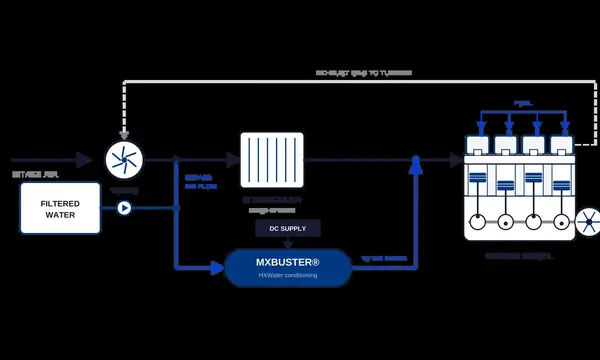
Feadship has joined AtomicOne to offer the MXBuster combustion-optimisation system to yachts above 30 metres after more than a year of onboard operation.
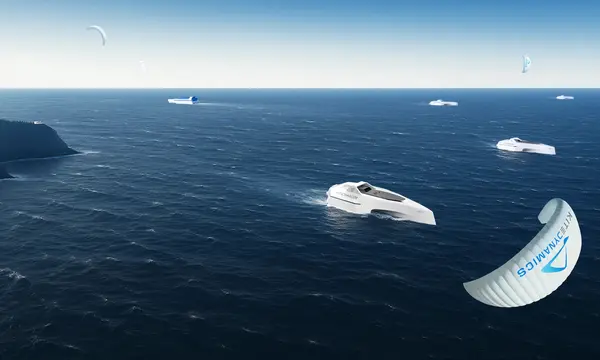
Kite Dynamics is testing kite-driven propulsion and energy generation that could eventually supplement the electrical and cruising systems of large yachts.
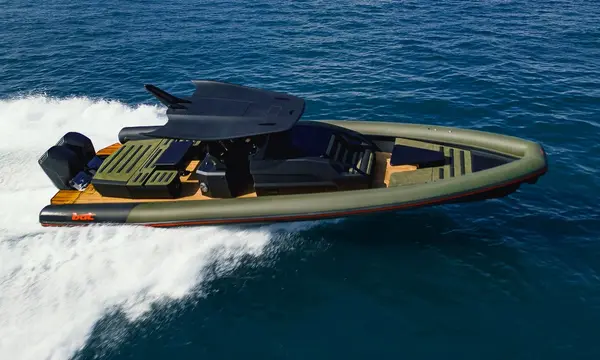
BAT founder Corrado Rizzardi says the 14.1m COMBAT14 will target superyacht chase-boat and tender roles as the historic Italian inflatable-boat brand expands.
Superyacht Guide
Continue into the wider Superyacht Guide.
Business opportunities · Superyacht Guide
Companies serving the superyacht market can discuss clearly identified advertising, sponsorship and business-profile opportunities. Commercial activity remains separate from independent editorial coverage.