MarineShift360's 2026 Accelerator Takes on Recyclable Composites and Marine Propulsion
By Stephen Yardley · Edited by Stephen Yardley
Image: MarineShift360
The 2026 MarineShift360 Impact Accelerator brings Gurit, nlcomp and MobyFly into a year-long programme testing marine materials, recycling and hydrofoil lifecycle impacts.
MarineShift360 is carrying out its 2026 Impact Accelerator with three marine-industry participants: composites specialist Gurit, recyclable-composite developer nlcomp and electric-hydrofoil company MobyFly. Announced on March 31, the year-long programme is designed to turn lifecycle measurements into practical engineering and purchasing decisions rather than relying on broad environmental claims.
The cohort was selected from 20 applicants across 10 countries and is supported by 11th Hour Racing and delivered by Marine Futures. Its three workstreams span the materials used to build marine craft, the systems that propel them and the question of what happens to structures after their useful service life.
Gurit is assessing the lifecycle impact of selected marine products and testing lower-impact material and design pathways. The work is intended to bring carbon and resource data into engineering decisions early enough for designers and suppliers to make meaningful changes.
For superyacht builders, this is relevant to composite superstructures, tender components, interior materials and other products where resin, fibre, tooling and production methods influence embodied impact. A credible comparison must consider function and service life rather than treating the lowest material-footprint number as the only specification criterion.
Italian company nlcomp is using the programme to build a lifecycle-assessment framework for its rComposite thermoplastic system, which combines recycled carbon fibre and natural fibres. MarineShift360 describes the material as DNV-validated and says the project will compare it with conventional thermoset composites across emissions, waste and material reuse.
The practical question is whether a component can be manufactured, maintained and eventually recovered with less total impact over its intended lifespan. Claims about recyclability become more useful when the actual collection, separation and processing routes are included in the calculation.
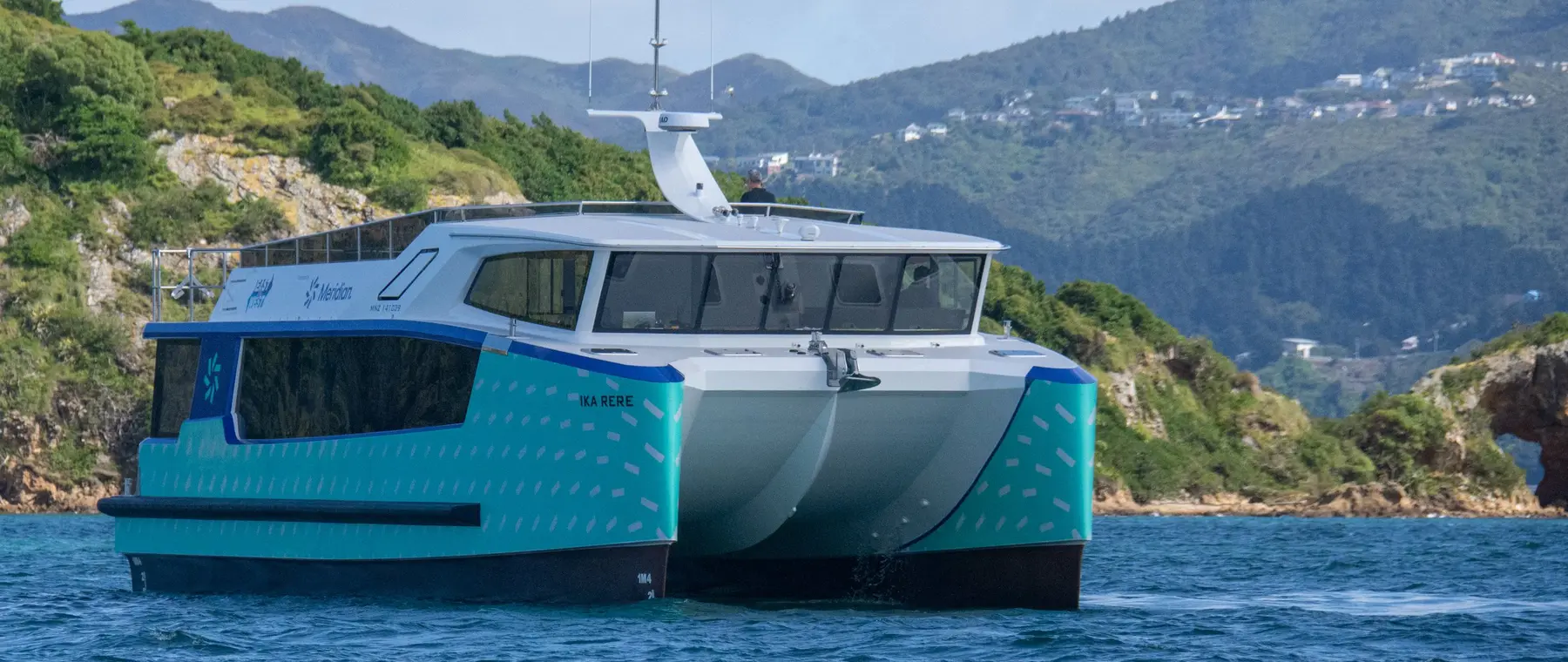
MobyFly is developing a cradle-to-grave study of its 12-passenger S1 electric hydrofoil vessel. The company uses retractable foils to lift the hull at speed and says this can reduce energy use compared with conventional diesel ferries, but the assessment will examine the complete system rather than only operation.
Although the S1 is not a superyacht, the methodology is relevant to tender and support-vessel specifications, where propulsion technology, battery manufacture, maintenance and duty cycle all affect the true comparison. The 2026 programme is an example of how data-led procurement can help yacht projects evaluate supplier claims using consistent assumptions rather than marketing language alone.
Explore
Go deeper into the yachts, companies, events and destinations directly connected to this article.
Continue reading
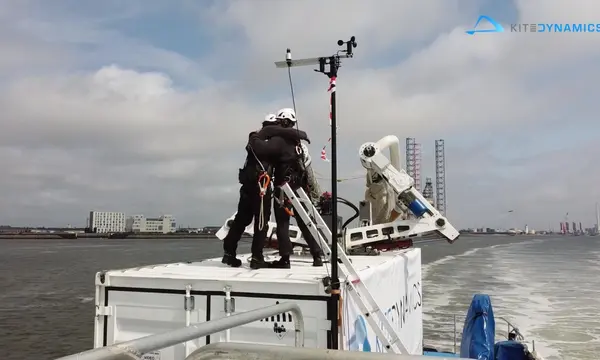
Kite Dynamics is developing four-line kite propulsion following at-sea trials in 2025 and 2026, with yacht applications remaining at the prototype and engineering stage.
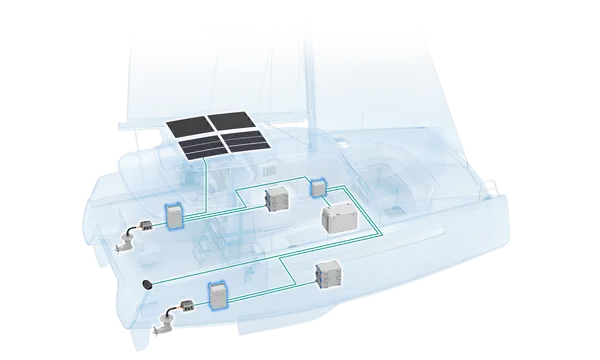
ePropulsion's new eCore Energy Management System combines a 96V DC core with an optional AC module to coordinate propulsion and onboard electrical demand.
Volvo Penta is using Monaco Yacht Show 2026 to present its IPS Professional Platform, D13 IPS Hybrid system and an interactive energy-management demonstration for …
SES Yachts is highlighting the delivered 42m MERINOS at Monaco, where its 940kWh battery bank and solar-assisted hybrid architecture provide the technical focus.
Superyacht Guide
Continue into the wider Superyacht Guide.