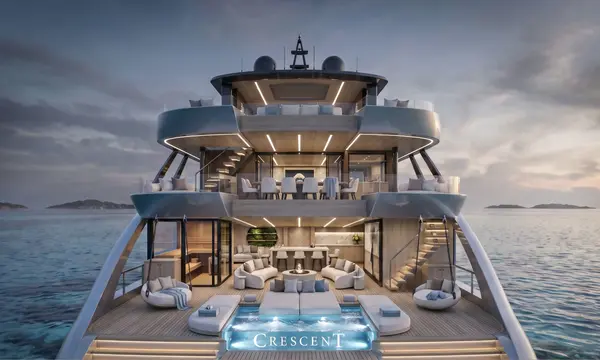
Crescent Updates 34m CCY110 Revive as First Catamaran Takes Shape
Crescent Custom Yachts has updated plans for its 34m CCY110 Revive catamaran, with the first hull under construction and new details of its large …
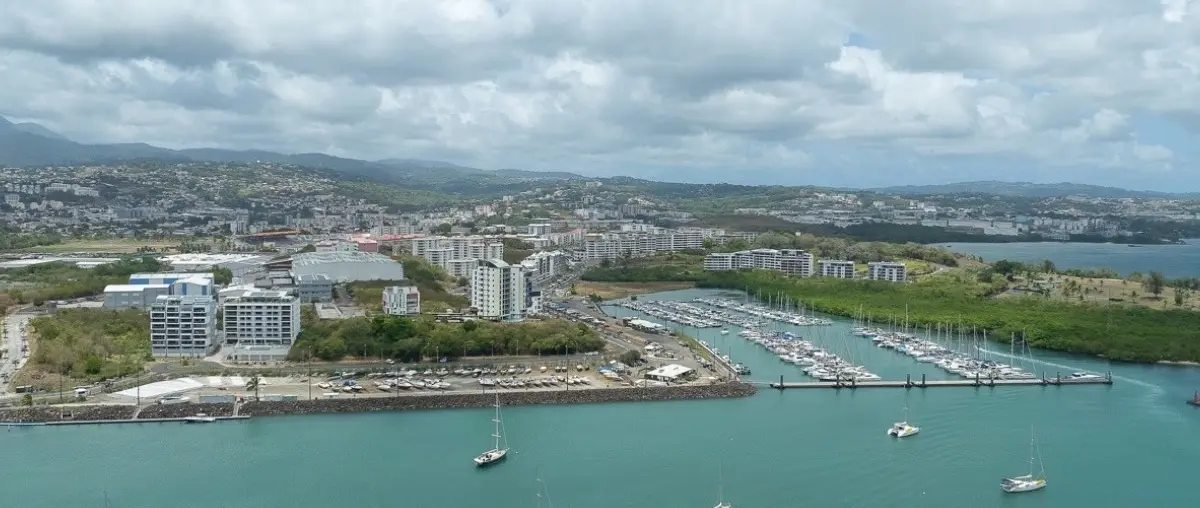
Image: CACEM / DMS via Marina World
AFD will grant €200,000 for environmental studies on a proposed €77.5m expansion of Fort-de-France's Étang Z'Abricot marina from about 500 to nearly 1,100 berths.
The French Development Agency and the Centre Martinique intercommunal authority CACEM have agreed to finance the environmental studies required for a proposed major expansion of Étang Z’Abricot marina in Fort-de-France. The agreement was signed on 6 October 2026 and reported in the marine infrastructure press on 16 October. It represents a planning-stage funding commitment, not approval to begin the full construction project.
AFD is providing a €200,000 grant through its Overseas Fund for impact assessments and documents needed for subsequent regulatory review. Those studies are a necessary step for a waterfront development in a sensitive coastal environment. They should not be confused with the much larger budget required for the marina works themselves, and neither the construction contract nor a commissioning date has been confirmed in the announcement.
CACEM’s concept would increase the marina from around 500 berths to nearly 1,100, a substantial change in the size of the recreational harbour. The proposed works involve a new protective breakwater and the enlargement of the Grives basin. The broader project has been described as an investment of approximately €77.5 million, separate from the current grant for preparatory environmental work.
These are important scale indicators for the French Caribbean, but the headline berth total alone does not demonstrate how many spaces might be suitable for superyachts above 24 metres. Published material consulted for this update does not specify final maximum lengths, draughts or dedicated large-yacht berths. Captains should therefore avoid treating the expansion as a confirmed future superyacht capacity increase until the port releases detailed engineering plans.
Martinique has an established place on eastern Caribbean itineraries, linking the French islands with the wider Windward and Leeward groups. Fort-de-France provides an urban gateway with maritime, transport and provisioning connections, while yacht services elsewhere on the island serve different kinds of vessel. Expanding the capital’s marina would strengthen that overall infrastructure base if the plans advance.
Owners of larger yachts typically judge a destination by its combination of harbour access, clearance procedures, repair support, fuel supply and onshore logistics. A berth count designed mainly for smaller cruising craft cannot answer those questions by itself. The expansion could have indirect benefits through local service growth even if the eventual berth mix does not target the largest vessels, but those benefits remain prospective.
A new breakwater is one of the principal physical elements identified in the programme, alongside enlargement of the Grives basin. Harbour protection can improve the usability of inner berths by reducing exposure to certain wave conditions. Its actual performance depends on orientation, local bathymetry, engineering design and the weather events used in the assessment.
In a tropical maritime setting, resilience is a more demanding requirement than a calm-water rendering might suggest. The preparatory studies will need to consider coastal processes and possible changes to wave movement, sediment and neighbouring habitats. Yacht managers cannot assume a future basin will be suitable in all seasonal conditions merely because a new protective structure is proposed.
The project’s wider vision includes esplanades, walking routes and commercial space to make the waterfront more accessible to residents and visitors. This would give the development a civic dimension as well as a boating function. Retail and hospitality facilities could also support visiting crews, marine suppliers and associated tourism activity if the expansion eventually proceeds.
Combining public space and vessel operations requires attention to circulation, deliveries and security, particularly if larger yachts are contemplated. The current announcement does not detail final access arrangements or the operating model for any new commercial premises. It is therefore more accurate to describe the proposal as a planned waterfront transformation than to present specific services as already available.
Coastal marinas affect water circulation and marine habitats, particularly where excavation, quay construction and new breakwaters are involved. Environmental impact assessments are intended to identify those effects before authorities decide whether and under what conditions works may proceed. Financing that stage can help a public project move from broad ambition toward a defined and reviewable design.
The grant should not be seen as an endorsement that all impacts are acceptable or that permissions are certain. Studies can require revisions, mitigation measures or changes in scale, and the regulatory process may still alter the proposal. For the yacht industry, that means capacity projections are useful for long-range market intelligence but not yet reliable inputs for charter itineraries or berth reservations.
An expansion approaching 1,100 berths could generate demand for maintenance contractors, equipment suppliers, chandlers and shore-side services, depending on the mix of vessels ultimately accommodated. Greater boating activity can also support training, employment and specialised waterfront businesses. None of these commercial outcomes has been quantified in the reported agreement, so they remain opportunities rather than contracted benefits.
Existing marine companies will be watching the planning process for practical details such as technical yards, travel-lift access, fuel installations and workshop space. A larger protected basin does not automatically deliver those facilities. Their presence, scale and commercial availability will determine how much of the proposed growth translates into usable support for professionally operated yachts.
The immediate next phase is the assessment work financed by the French Development Agency, with CACEM responsible for advancing the proposal through the necessary review stages. Publication of final plans, berth dimensions, cost allocations and a realistic construction programme would be meaningful subsequent milestones. Until then the €77.5 million figure remains the reported project scale, not proof that the full sum has been committed to construction.
For owners and captains following Caribbean port development, Étang Z’Abricot belongs on a watchlist rather than a confirmed new-season berth plan. The October agreement makes the proposal tangible by funding technical preparation, but considerable decisions remain ahead. Superyacht Guide will distinguish any future verified large-yacht facilities from the smaller-vessel marina capacity included in the present expansion concept.
Continue reading
Crescent Custom Yachts has updated plans for its 34m CCY110 Revive catamaran, with the first hull under construction and new details of its large …
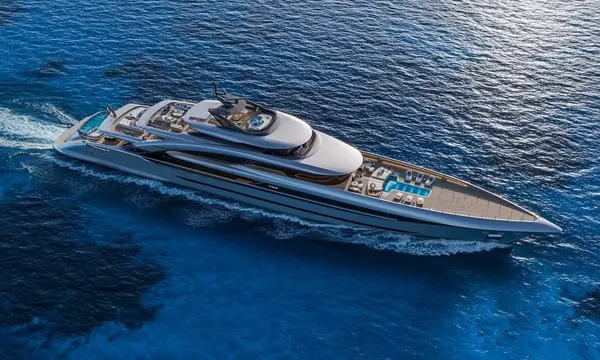
ISA Yachts has presented the 86-metre Poseidon as a custom design project, combining Enrico Gobbi styling, extensive wellness facilities, flexible guest cabins and projected …
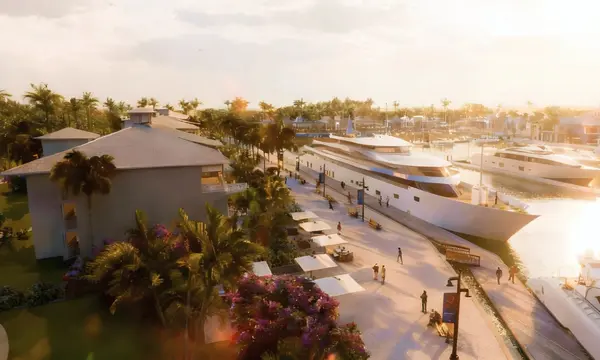
Range Developments is progressing Port Cabrits Marina near Portsmouth, Dominica, with a 2027 opening target and planned berths for yachts up to 150 feet.
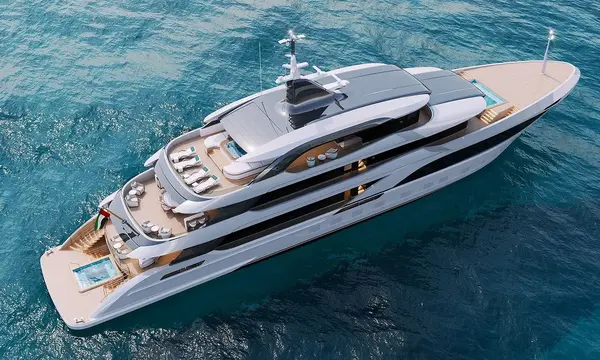
Gulf Craft has presented the 54m Majesty 180 as the proposed new composite flagship of the Majesty range, with Cristiano Gatto Design and a …
Superyacht Guide
Continue into the wider Superyacht Guide.
Business opportunities · Superyacht Guide
Companies serving the superyacht market can discuss clearly identified advertising, sponsorship and business-profile opportunities. Commercial activity remains separate from independent editorial coverage.