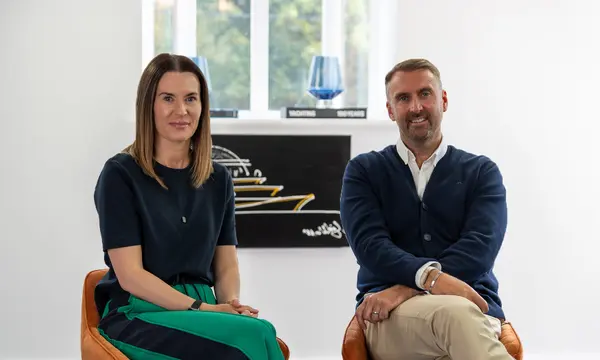
dsnm Acquires NavigatX to Unite Superyacht Navigation and Bridge Hardware
Superyacht navigation specialist dsnm has acquired sister company NavigatX, bringing navigation management, passage-planning software and bridge refit support together.
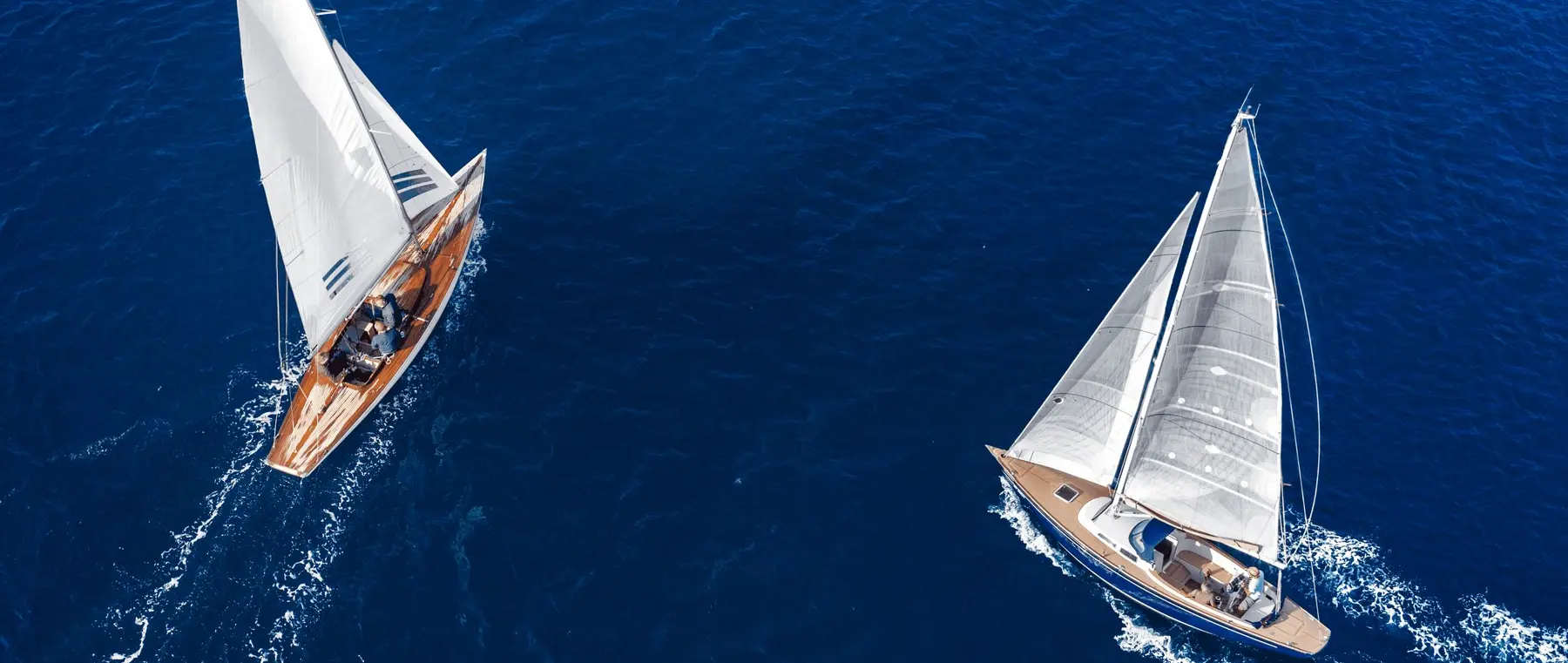
Massive Marine AI is preparing to demonstrate camera- and sensor-based navigational awareness for yacht bridges at METSTRADE 2026, with particular emphasis on small targets and crossing risks.
Turkish maritime technology developer Massive Marine AI is taking its Vision AI platform to METSTRADE 2026 as part of the dedicated Superyacht Startups Area. The product is intended to help bridge teams monitor nearby traffic and obstacles through a combination of optical imagery and other vessel sensor information. METSTRADE lists the company in Hall 8 at stand 08.263C, placing it among suppliers trying to improve how yacht crews interpret the growing volume of navigational data.
The core problem is not a lack of instruments. A modern superyacht bridge may already display radar returns, AIS symbols, depth information, cameras and electronic charts, but each presents a different part of the scene. A small tender without AIS, drifting debris or an object hidden in clutter can demand attention at the same time that an officer is monitoring larger commercial traffic.
Massive Marine AI describes software that combines data from cameras, radar, sonar and AIS to identify targets and assess movement. Its company material says the system creates a continuous environmental view and can provide warnings linked to risk. In principle, using several sensor types can help overcome the limitations of relying on a single picture, because visual imagery may identify shapes while radar or AIS provides complementary information about range or motion.
The benefit depends on the accuracy of the data association. Two sensors may report different positions for the same object, and a camera view can change with the yacht's heading, vibration or spray. Software must avoid counting the same target several times or confidently classifying something that is obscured. Those details are essential when assessing any claim of reliable situational awareness.
The developer's Vision AI description includes assessment of closest point of approach and time to closest point of approach, often abbreviated CPA and TCPA. These calculations can help highlight vessels whose present tracks may bring them close together. They are informative, not predictive certainties: a nearby vessel changing course, a sudden loss of a radar track or a poor speed estimate may radically alter the outcome.
Massive Marine AI also refers to manoeuvring guidance based on the International Regulations for Preventing Collisions at Sea. A bridge team must still interpret the actual encounter, maintain a proper lookout and make decisions that satisfy applicable rules. No product description can replace the master or watch officer's legal and professional responsibilities, and the manufacturer's statements are not evidence of regulatory approval for autonomous operation.
Superyachts operate in crowded anchorages with tenders, paddleboards, leisure craft and swimmers close to the hull. They can also undertake night passages in areas where coastal background lights make small objects difficult to identify. A vision system that helps an officer maintain awareness of the near field could therefore be useful beyond open-water collision avoidance, especially during arrival and departure.
Installation planning becomes particularly important on vessels with tall masts, extensive glazing, moving radar arrays and different deck levels. A camera positioned for the best horizon view may struggle to see the immediate waterline, while a mast-mounted unit can be exposed to vibration or weather. Optical coverage, power supply, network reliability and practical maintenance access should be evaluated as one system.
The company's public information refers to training on very large image datasets and operational experience. Such claims give prospective users a sense of the scale of development, but they do not independently establish detection rates, false-alarm frequency or performance in every combination of sea state and visibility. A useful evaluation would distinguish human detection, floating-object detection and the tracking of larger vessels because they present different levels of difficulty.
Prospective buyers should request tests relevant to a superyacht's own mission: crossing traffic at night, tenders alongside, radar interference, heavy rainfall and fast changes in heading. It is also important to understand whether processing takes place on board, how a system behaves when connectivity is lost and which sensor failures trigger visible warnings to the crew.
Automatic target identification has the potential to reduce the cognitive burden of a busy bridge, but excessive alerts can create another problem. If every object generates a warning, officers may stop treating the warnings as meaningful. Sensible thresholds and clear prioritisation are therefore just as important as the ability to detect objects in the first place.
The company describes its products as decision-support technology, and its published terms make clear that safe operation remains the user's responsibility. That is the correct context in which to assess the equipment. Captains should expect to combine system outputs with radar plotting, charts, visual observation, bridge resource management and the yacht's established navigation procedures.
METSTRADE's exhibitor information confirms Massive Marine AI's participation and positions Vision AI as a product intended to support bridge teams. The November exhibition will allow naval architects, yacht managers, captains and electrical integrators to discuss sensors, installation, compatibility and the evidence behind the company's performance descriptions directly with its representatives.
The significance of the announcement is not that autonomous superyachts have suddenly arrived. It is that specialist suppliers are trying to make the information already available aboard a yacht easier to interpret under pressure. Whether a system earns a permanent place on a professional bridge will be decided by clear limitations, dependable integration, disciplined trials and demonstrable improvements in crew awareness.
Continue reading
Superyacht navigation specialist dsnm has acquired sister company NavigatX, bringing navigation management, passage-planning software and bridge refit support together.
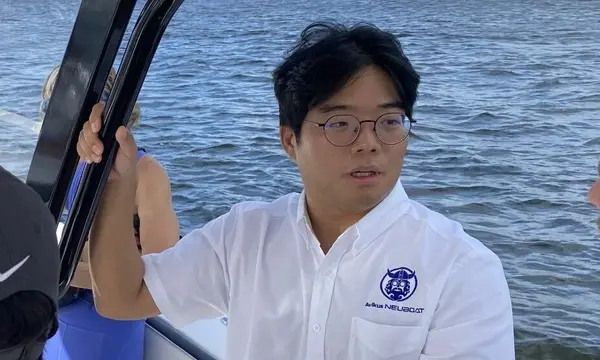
Avikus USA executive Sangwon Shin is discussing how sensors, steering, propulsion and AI need to operate as one system for future assisted superyacht navigation.
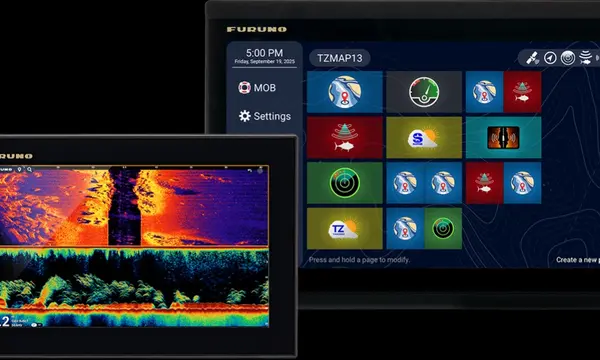
Furuno’s TZMAP9 and TZMAP13 combine stand-alone navigation, TZ MAPS cartography and built-in TruEcho CHIRP sonar in compact displays.
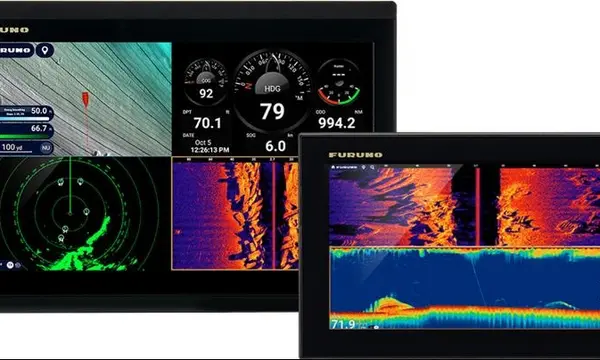
Furuno’s TZtouchE series adds 9- and 13-inch networked MFDs with TZ MAPS, radar and sonar integration in a more compact navigation package.
Superyacht Guide
Continue into the wider Superyacht Guide.
Business opportunities · Superyacht Guide
Companies serving the superyacht market can discuss clearly identified advertising, sponsorship and business-profile opportunities. Commercial activity remains separate from independent editorial coverage.