
AquaGPS Extends Yacht Tracking to 85nm Offshore with Satellite Link
AquaGPS combines cellular and One NZ satellite connectivity to extend remote boat tracking as far as 85 nautical miles off New Zealand.

Image: METSTRADE
METSTRADE’s September review considers whether kites, wing sails and onboard generators could supplement superyacht propulsion and electricity demands.
METSTRADE’s September industry review examines whether wind could supply more of the energy demanded by motor superyachts. The discussion draws on an earlier panel of marine designers and builders, rather than announcing a production-ready yacht system.
The report notes that most of the market is still centred on motor yachts. It asks whether wind technology can be integrated without making everyday operations unduly complex for crews and owners.
One issue is electricity consumed while a yacht is at rest. A vessel’s hotel systems can require substantial power even when engines are not propelling it, so a wind solution aimed only at cruising assistance addresses only part of the load.
Kites were discussed as a possible means of generating energy as well as delivering towing force. METSTRADE reports a theoretical range of 400 to 1,000 kilowatts for sufficiently large installations, but such figures are not certified performance for a specific yacht.
Launching and controlling a kite introduces space, weight and structural requirements near the bow. The report also points to airspace and nearby-vessel constraints when a system is operated at anchor or in port.
Onboard wind generators raise different questions about noise, installation volume and stowage. Those issues become especially visible in superyacht marinas, where several large systems might otherwise operate close together.
More manageable wing sails and simpler rigs were also considered as alternatives to complex traditional yacht systems. Their commercial appeal will depend on maintenance, control systems and acceptance by people who may not want the experience of operating a sailing yacht.
The review points to a wider energy mix rather than a single answer. Yards developing a wind-assisted project need to test the real duty cycle and operating environment before claiming meaningful fuel or emissions savings.
Wind-assist concepts for large yachts are being discussed alongside the changing demand from hotel services, battery systems and onboard generation. These are distinct engineering challenges: a device that helps propel a vessel does not automatically supply the electrical loads required by guest spaces, kitchens, climate control and communications.
Owners and designers should ask presenters which measurements come from operating craft, which are simulations and which assumptions shape the comparisons. Any proposed wind-energy contribution must be considered with deck space, stability, noise, maintenance, safety and the complete energy profile of the yacht in mind. METSTRADE's programme is an invitation to examine those trade-offs, not evidence of a specific yacht already meeting a new performance target. Engineering evidence and class review must determine the result for each installation. Any equipment specification also needs an agreed measurement procedure before its claimed fuel or electrical benefit is accepted.
Primary source: METSTRADE. This article is independently written by Superyacht Guide.
Continue reading
AquaGPS combines cellular and One NZ satellite connectivity to extend remote boat tracking as far as 85 nautical miles off New Zealand.
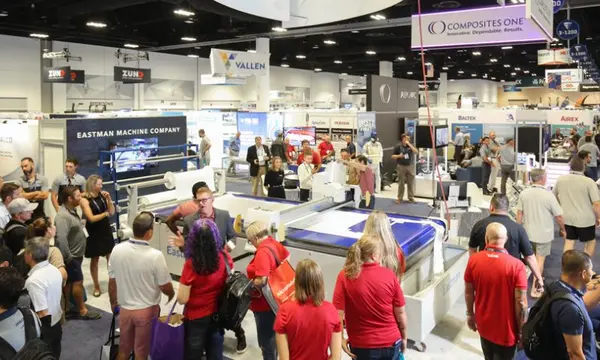
Cox Marine's Hugh Hudleston is set to discuss diesel outboard technology at IBEX 2026, where boatbuilders and equipment specialists will consider propulsion choices for …

DNV cybersecurity type approval now covers Corvus Energy’s Dolphin NxtGen battery system and Gen 4 battery-management controller.
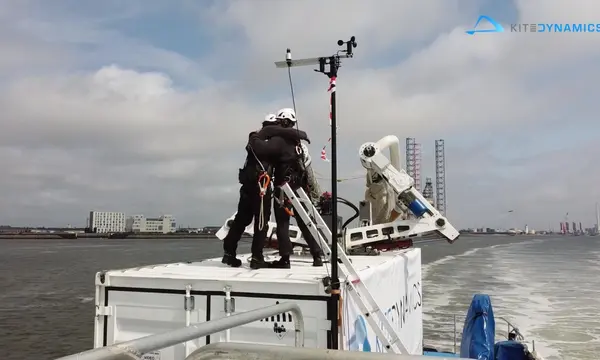
Kite Dynamics is developing four-line kite propulsion following at-sea trials in 2025 and 2026, with yacht applications remaining at the prototype and engineering stage.
Superyacht Guide
Continue into the wider Superyacht Guide.
Business opportunities · Superyacht Guide
Companies serving the superyacht market can discuss clearly identified advertising, sponsorship and business-profile opportunities. Commercial activity remains separate from independent editorial coverage.