Company
Ulstein Design & Solutions AS
Explore the company profile and related Superyacht Guide coverage.
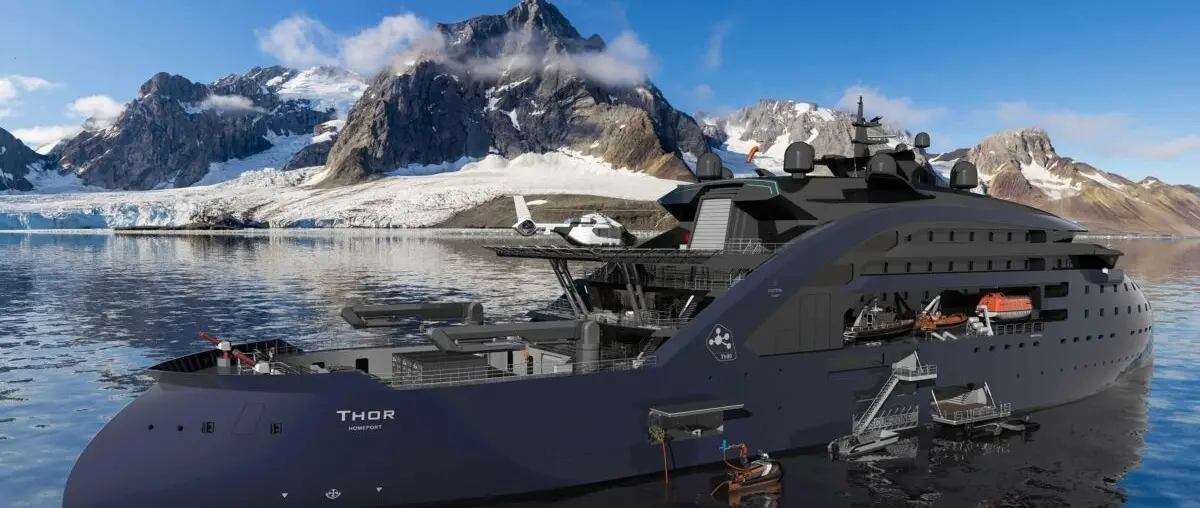
New research into micro modular reactors is raising the possibility of nuclear power for future large yachts, although classification, port access and approval remain unresolved.
A new technical discussion published by SuperYacht Times on 15 October has revived the question of whether nuclear propulsion could eventually become practical for private superyachts. The debate increasingly centres on smaller modular reactors that might meet onboard energy requirements without the extensive engineering volume traditionally associated with nuclear-powered ships.
The article examines the NOxFree collaboration involving Yacht Consultancy, Laurent Giles Naval Architects and Rasmussen Marine, which is exploring a compact reactor module. The consortium’s ambition is to demonstrate an approach suitable for some yachts around forty metres and larger, not to claim that an approved nuclear yacht of that size is already operating.
At present this is a technology-development and feasibility story, not an order announcement, yacht launch or completion of a commercial certification process. The gap between an engineering proposition and permission for private service remains one of the defining challenges.
Conventional naval nuclear installations can require substantial shielding, steam equipment, support systems and restricted compartments. That makes size and mass difficult to reconcile with many private yacht layouts, where guest and crew accommodation take a large portion of available volume.
Micro Modular Reactor concepts are being developed at lower outputs, with the cited research discussing units up to about eight megawatts. A modular approach could potentially allow power systems to be sized to a vessel’s needs, but performance, lifetime, shielding and maintenance depend on the actual design being assessed.
Neither a figure for electrical output nor a proposed installation diagram can prove the regulatory or operational suitability of a nuclear power plant. A full safety case would have to address radiation protection, casualty scenarios, cooling, physical security and specialist personnel requirements.
Ulstein previously proposed THOR as a 149-metre research and replenishment vessel capable of supplying electricity to other ships, rather than requiring every vessel in a fleet to carry its own reactor. The Norwegian group illustrated a thorium molten-salt reactor concept for the vessel, alongside the proposed fully electric SIF expedition cruise ship.
The company has been explicit that THOR remains ahead of what is presently possible under maritime regulation and commercially ready technology. It describes challenges involving available nuclear specialists, divergent flag-state requirements, reactor size and the relationship between continuous power generation and changing shipboard demand.
That example is relevant to superyacht owners because it demonstrates another theoretical model: concentrating nuclear generation on a dedicated support vessel could avoid placing a reactor on every yacht. The concept remains unbuilt, however, and cannot be described as an established charging service.
Any nuclear-powered private yacht would face an unusually complex approval process involving the flag administration, class society, coastal states and port authorities. A vessel accepted by one regulator could still encounter restrictions when it seeks permission to enter another country’s waters or marinas.
Waste handling, emergency response, end-of-life decommissioning and the availability of specialist engineers would all have to be considered before an owner could safely rely on such a system. The insurance and liability framework is another material issue, particularly for vessels operating internationally with charter guests or changing crew.
Advocates argue that emerging technology might offer longer operating endurance and reduced direct combustion emissions, but those benefits remain conditional on the complete lifecycle and safety design. The present work is an important engineering question for the superyacht industry, not evidence that nuclear propulsion is already a practical purchasing choice.
Explore
Go deeper into the yachts, companies, events and destinations directly connected to this article.
Company
Explore the company profile and related Superyacht Guide coverage.
Continue reading
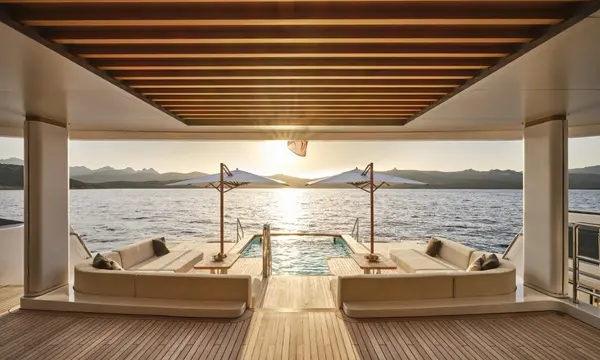
Benetti’s 67m B.Now yacht DAGGER combines two Caterpillar main engines, bidirectional 200kW VEM shaft motors and a 360kWh sodium-metal chloride battery bank.
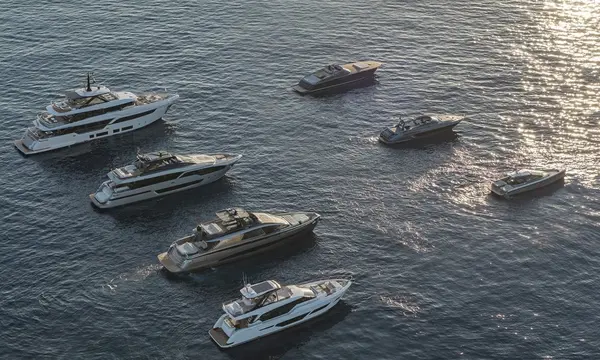
Ferretti Group is integrating WATCHIT SENSE 360 into its yacht programme, combining Simrad HALO radar with AIS, charts and AI-assisted hazard alerts.
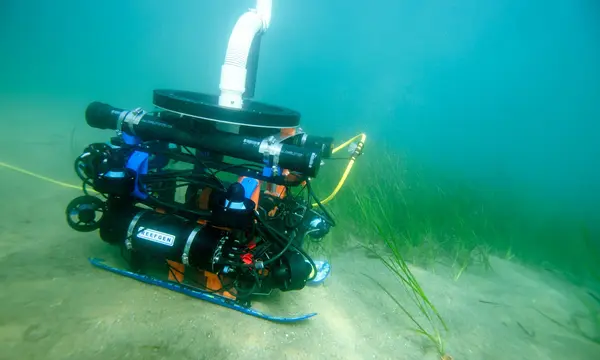
Reefgen’s remotely operated Grasshopper planting robot is being assessed for Mediterranean seagrass restoration, with a trial planned for the Gulf of Trieste in 2027.
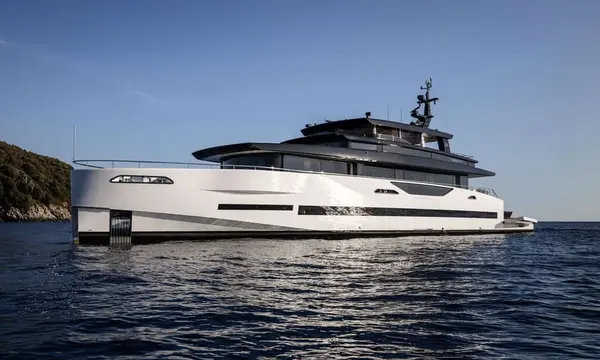
GX Superyachts representatives say the 42-metre MERINOS reached 17.4 knots, exceeding an earlier 16-knot forecast, and provided operating figures for hybrid cruising.
Superyacht Guide
Continue into the wider Superyacht Guide.
Business opportunities · Superyacht Guide
Companies serving the superyacht market can discuss clearly identified advertising, sponsorship and business-profile opportunities. Commercial activity remains separate from independent editorial coverage.