

Aluland Details Certified Aluminium Supply and Processing for Yachtbuilders
Aluland outlines certified aluminium plates and profiles plus cutting, bending, machining and custom processing for large-yacht builders at METSTRADE 2026.
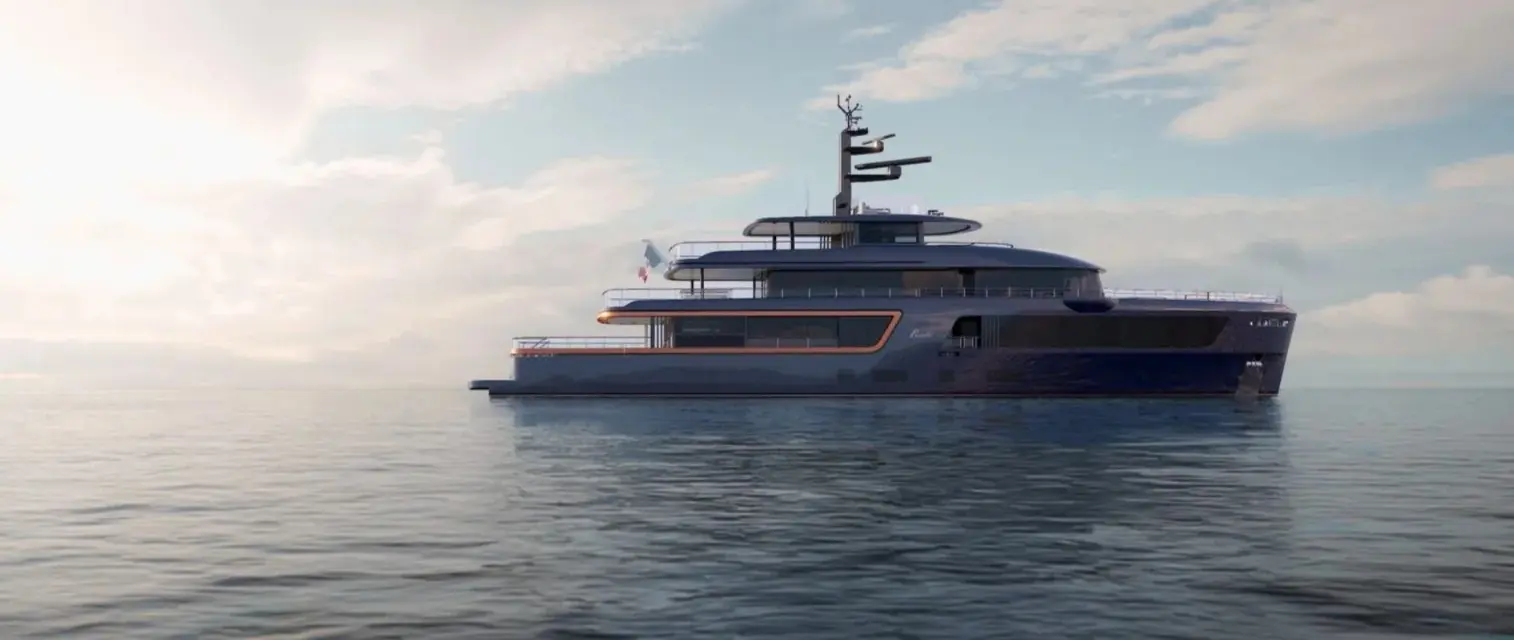
Benetti Motopanfilo 45M official image illustrating one of October 2026's major Italian superyacht transactions
October 2026 records 33 sales of yachts over 24 metres worth €415.6 million, while new listings decline and resale asking prices per gross tonne soften.
Global reported superyacht transactions in October 2026 reached €415.6 million across 33 sales of vessels longer than 24 metres, according to a BoatPro monthly market summary discussed by SuperYacht24 on 17 November. The comparison with October 2025 shows a roughly five-percent increase in aggregate value from €396 million and three additional completed transactions. The headline improvement masks a more complicated resale picture: average prices were lower, new listings fell sharply and owners made an increasing number of reductions to asking prices. The figures are useful indicators of how the brokerage market is behaving, but they should not be confused with a complete audit of every private yacht transaction worldwide. Sales reporting can change when previously undisclosed deals emerge, while some published values are last-known asking prices rather than publicly confirmed final consideration.
The monthly report records 33 completed sales compared with 30 in October a year earlier. That represents a ten-percent increase in transaction count, even as the total disclosed or estimated value moved up by about five percent. Average recorded price per yacht consequently fell from €13.2 million to approximately €12.6 million. This is an important distinction for anyone assessing the health of the market. An increase in the number of vessels sold does not necessarily mean buyers are paying more for comparable yachts. The mix of lengths, ages, specifications and newbuild versus used transactions can change considerably from month to month. The reported figures also cover the above-24-metre segment, which contains yachts with very different price structures. Market participants should therefore examine transaction quality and vessel characteristics before drawing conclusions about price appreciation or depreciation across the entire superyacht fleet.
Of the October total, the source reports 29 second-hand transactions worth nearly €324 million. The comparable year-earlier figures were lower in both number and aggregate value, while the reported average used-yacht transaction remained around €11.2 million. That suggests resale activity contributed meaningfully to the month's growth. Used yacht transactions can often be completed faster than newbuild projects because the physical vessel already exists, although surveys, title checks, repairs, flag arrangements and financing can still delay a transaction. The source does not establish how long each listed yacht was on the market or which negotiations required price concessions. It is therefore inappropriate to treat the aggregate resale growth as evidence that every seller received a stronger offer. For brokers, the practical question is which vessel types found willing buyers at acceptable price levels, and what distinguished them from yachts that continued to sit on the market.
SuperYacht24 identifies Italian-built yachts in five of the seven highest-value transactions reported for the month. Two prominent examples were a privately negotiated purchase of the third Benetti Motopanfilo 45M, with delivery envisaged for late 2028, and a change of ownership involving the 40.9-metre Baglietto Andala, launched in 2025. These examples show why market totals must be interpreted carefully: a newly contracted or future-delivery yacht and a completed resale can represent very different cash-flow and timing arrangements. The specific contractual terms of private transactions are not necessarily public. Italian builders' visibility at the top of the rankings reflects their presence in the segment, but one month does not by itself prove that the market shares of individual yards have permanently changed. The data are most valuable when compared across longer periods and with the yard's disclosed order book.
Among prominent used yachts, the report names the 56.5-metre CRN Richar and the 47-metre Perini Navi Andromeda La Dea at last-known advertised figures of €24.95 million. It also cites the 43.9-metre Sanlorenzo Annabella at €24 million, Amels Just B at €24.5 million and the 58.2-metre Trinity Unbridled at €20.6 million. Those figures are useful markers for what sellers publicly requested, but a completed transaction may have taken place at another price. Unless the buyer, seller or broker discloses the final consideration, a last asking price should never be presented as a guaranteed sale price. That distinction is fundamental when such records are used in valuations, financial forecasts or yacht-account estimates. Comparable yachts may have different refit histories, charter suitability, equipment conditions and contractual inclusions that materially affect what a buyer is willing to pay.
The source reports that the average length of yachts traded rose to 37.7 metres, compared with 35.2 metres the previous October, while average gross tonnage increased from 270 to 333 GT. These are meaningful changes in the composition of sales. A yacht with more internal volume is not necessarily more expensive per unit of volume if it is older, less efficient or requires extensive work. The monthly analysis also reports a reduction in asking price per gross tonne for pre-owned yachts, from €41,400 to €33,500, a decline of approximately nineteen percent. Price per GT is a useful broad comparison but cannot replace a vessel-specific valuation. Gross tonnage measures internal volume under a regulatory formula rather than weight, propulsion quality or the actual utility of an interior. Comparing two yachts solely through a price-to-GT ratio risks missing the very characteristics that determine their commercial desirability.
Eight of the yachts resold during the month were more than twenty years old, according to the report. That age profile can influence average values even when the fleet size being traded increases. Older vessels may offer attractive internal volume and distinctive designs, but buyers typically need to assess machinery life, class history, structural condition and the cost of modernising technical systems. A refit may improve utility without increasing market value by the same amount as the money spent. Conversely, a carefully maintained older yacht may compare favourably with a more recent vessel that has accumulated deferred maintenance. The monthly sales figures do not quantify these differences for individual yachts. Owners and brokers should use the age distribution as context rather than a presumption about quality. It may also help explain why the market can report more transactions and weaker average price metrics simultaneously.
The report records eleven used sales in the 30–40-metre category, compared with eight a year earlier. It also describes an increase from three to four transactions in the 50–70-metre segment. These figures illustrate how market activity is spread across different ownership propositions. Yachts around 30–40 metres may appeal to buyers seeking substantial guest facilities without committing to the operating scale of a 60-metre yacht. A larger yacht can offer more space, crew facilities and expedition capability, but also requires a different approach to berthing, fuel, maintenance and staffing. Transaction counts alone do not establish which segment is more profitable for brokers or more attractive to owners. They do show that the month's growth was not restricted to one narrow range of yacht lengths. Better analysis would compare completed transactions with available inventory and time on market.
Perhaps the most striking supply-side figure is the decline in new listings. The source records 72 yachts newly offered for sale during October, compared with 119 in October 2025. The aggregate advertised value fell to about €750.1 million from roughly €1.2 billion. A smaller influx of new inventory can have several interpretations: owners may be delaying sale decisions, brokers may have cleared existing listings, or suitable yachts may be moving through private channels. The data do not determine which explanation dominates. A fall in listings can reduce apparent choice for buyers while making the remaining inventory more prominent, but it does not automatically mean shortages or rising values. Brokers should consider both the number of available yachts and their specification. An inventory that is smaller but better matched to current demand may behave differently from a much larger collection of difficult-to-sell vessels.
The report identifies 124 asking-price cuts during October, with an aggregate downward adjustment of about €120.7 million. The average individual reduction was estimated near 9.9 percent, compared with 8.8 percent in the year-earlier comparison. More than half of the adjustments were associated with yachts in the 30–40-metre category, though that count alone does not demonstrate that segment suffered the deepest average discounts. Price reductions are changes to sellers' advertised expectations, not evidence of losses realised by owners in completed transactions. A yacht may have been initially listed at an ambitious figure, and the revised price may simply improve its competitiveness. Buyers should also recognise that the headline reduction can obscure changes in equipment, refit obligations or the scope of a brokerage offering. The most useful interpretation is that an appreciable number of owners were willing to revise their market positioning.
Among the month's larger individual changes, the source cites a €9.36 million reduction to the asking price of Delta Marine's approximately 73-metre Laurel, bringing its advertised level to €52.6 million. A single large adjustment can influence the total value of reductions in a market where the highest-priced vessels are much more valuable than the median yacht. It would therefore be misleading to infer that the typical owner cut the price by millions of euros. Better analysis separates adjustment counts, average percentage changes and the distribution of reductions across yacht sizes. The example nonetheless demonstrates that buyers and brokers in the upper end of the market must pay attention to current pricing rather than historical promotional figures. A dated listing can quickly cease to reflect the seller's present expectations, which is why valuation records need timestamps and source references.
For an owner considering a sale, the October data support disciplined pricing and a complete presentation of the yacht's condition. Recent survey information, documented maintenance and a realistic estimate of upcoming capital expenditure can help buyers evaluate an offer. For purchasers, an increase in price reductions does not remove the need for due diligence. The actual economic bargain includes refit needs, insurance, VAT or customs arrangements, delivery location and operating expenses after acquisition. Brokers should communicate clearly when a comparison uses a documented closing price, a last-known asking figure or an estimate. The reported market totals are also not a standalone forecast for the rest of 2026. Seasonal patterns, newbuild deliveries, macroeconomic conditions and private transaction disclosure can alter later results. A one-month report offers useful evidence, but its limits should remain visible.
The month offers a picture of active superyacht trading without a uniform strengthening of prices. More yachts changed hands and the reported aggregate value rose, but the average transaction value declined, numerous sellers adjusted asking prices and fewer new listings entered the market. This combination may reflect buyers making selective decisions amid abundant alternatives in particular age and size segments. It does not justify claims of either a market collapse or an across-the-board boom. For Superyacht Guide's yacht-value and ownership readers, the best approach is to retain these figures as dated market context and assess individual assets through more detailed comparables. The headline €415.6 million matters because it shows actual recorded trading activity; the accompanying details matter because they reveal how varied that activity was.
Primary source: SuperYacht24 — monthly BoatPro superyacht brokerage market analysis, published 17 November 2026.
Photograph: Benetti / SuperYacht24, Motopanfilo 45M yacht image illustrating the October 2026 brokerage summary; not a photograph of all transactions. Official source.
Continue reading
Aluland outlines certified aluminium plates and profiles plus cutting, bending, machining and custom processing for large-yacht builders at METSTRADE 2026.

Ferretti CEO Stassi Anastassov outlines brand loyalty, yacht quality, after-sales service and warranty extensions for eligible yachts under 45m.
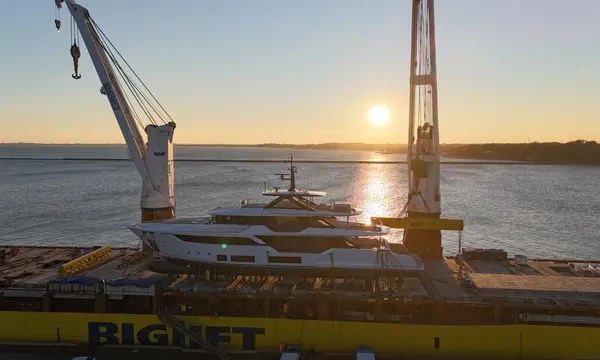
Sevenstar Yacht Transport handles a 40-metre, 300-tonne-plus yacht at Monfalcone, using coordinated shipboard cranes before transatlantic shipment to the US.

T.I.S.G. Asia Investment Holding disputes the exclusion of its €250 million proposal as Italian Sea Group prepares further court-supervised restructuring.
Superyacht Guide
Continue into the wider Superyacht Guide.
Business opportunities · Superyacht Guide
Companies serving the superyacht market can discuss clearly identified advertising, sponsorship and business-profile opportunities. Commercial activity remains separate from independent editorial coverage.