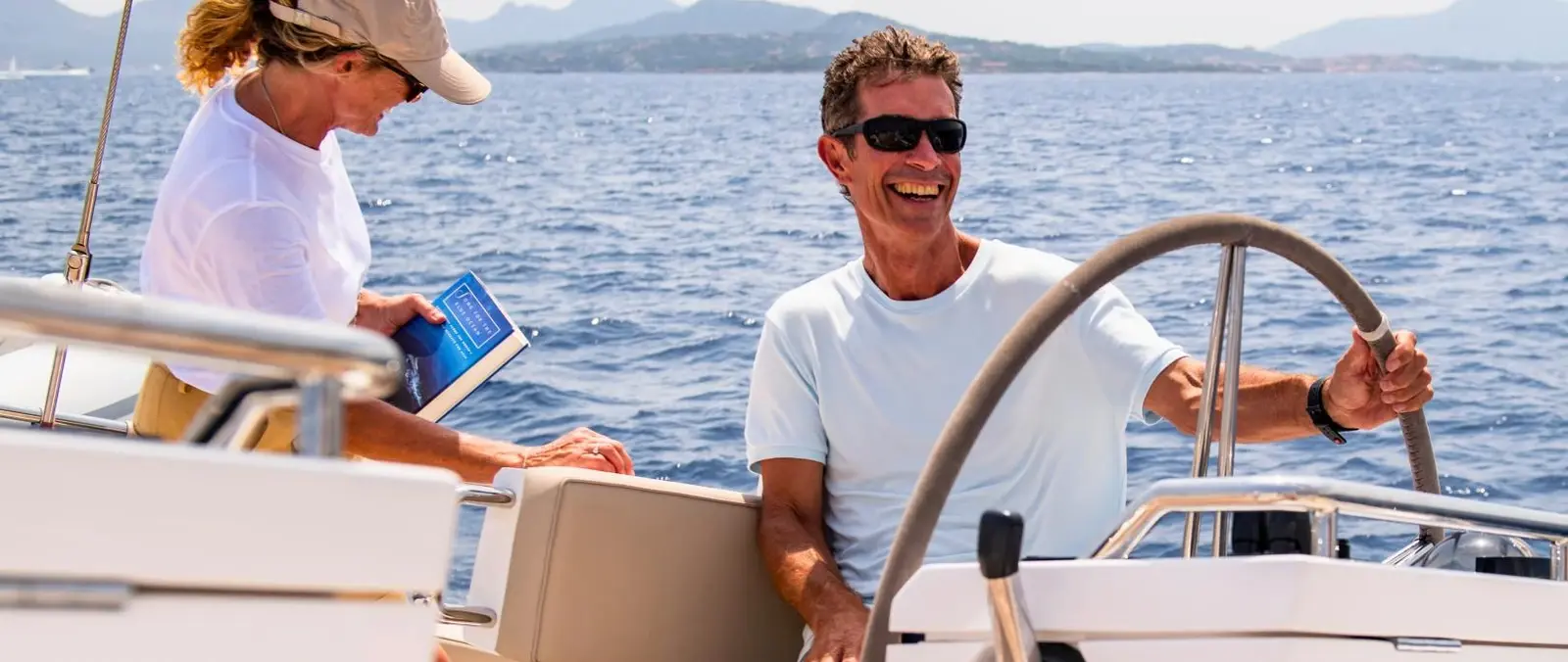
The 25.15m Oyster 825 Viva La Vida capsized in the Whitsundays after striking a reef during Hamilton Island Race Week. All 10 people aboard were rescued.
The 25.15m Oyster 825 sailing yacht Viva La Vida capsized in the Whitsundays on Friday 21 August after striking a reef during Hamilton Island Race Week. All 10 people aboard were rescued, turning a severe yacht casualty into a recovery and investigation operation rather than a loss of life.
The sequence of events has become clearer as statements from the race organiser and Oyster Yachts have emerged. Those accounts support a reef strike followed by major keel damage and uncontrolled water ingress, but they do not establish that the yacht suffered a spontaneous structural failure.
A statement from the Hamilton Island Race Week team, reproduced by Mackay and Whitsunday Life, says Viva La Vida issued a Mayday after striking a reef during racing. Vessel Traffic Services coordinated the response, while Hamilton Island Marina supplied an additional pump as the yacht continued taking on water.
The organiser's account says the crew were safely returned to Hamilton Island Marina after the emergency response. The incident occurred in the Whitsunday Passage near Long Island, where the yacht had been competing as part of the regatta's Blue Division fleet.
In a statement reproduced by Marine Business, Oyster Yachts said Viva La Vida had been sailing downwind at pace with her spinnaker set when she struck what was believed to be a rock or reef in shallow water. Oyster said the lower part of the keel was severely damaged and the ballast bulb broke away during the incident.
The resulting damage was serious enough for water ingress to become uncontrollable despite pumping efforts, and the yacht subsequently capsized. That sequence is materially different from simply saying that the yacht's keel failed without warning, because the available evidence places a substantial impact before the loss of the ballast bulb.
Oyster's own World Rally fleet lists Viva La Vida as Oyster 825.07, while the builder's heritage specification gives the Oyster 825 an overall length of 25.15 metres. Hamilton Island Race Week's official results identify the yacht as an Oyster 825 with sail number 82507X and Barry Parkin as skipper.
The yacht was also part of the current Oyster World Rally fleet, placing the incident within a long-distance cruising programme rather than a standalone local race campaign. Its participation in Hamilton Island Race Week was therefore one stage in a broader voyage through the region.
Oyster has said it is in direct contact with the owners and will support any post-incident review involving the relevant authorities, insurers and other parties. The yard has also stressed that a full technical assessment depends on recovery and detailed examination of the yacht.
Until that work is completed, the precise nature and extent of the structural damage cannot be determined from photographs or initial reports alone. The confirmed facts are the reef strike, severe lower-keel damage, ballast-bulb loss, water ingress, capsize and successful rescue of everyone aboard.
For casualty reporting, separating observed damage from an established failure mechanism is essential because the two are not the same conclusion. A ballast bulb can be lost as part of severe impact damage without that fact alone demonstrating a pre-existing defect in the yacht or its keel structure.
The recovery and subsequent technical inspection should provide the evidence needed to determine how the impact propagated through the keel and hull structure and why flooding could not be controlled. Until then, the safest description is that Viva La Vida capsized after a reef strike that caused severe keel damage and loss of the ballast bulb.
Explore
Go deeper into the yachts, companies, events and destinations directly connected to this article.
Continue reading
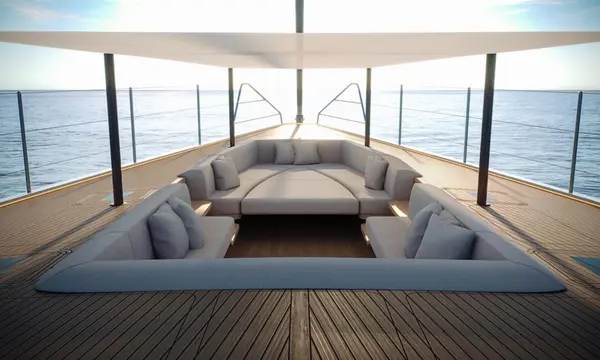
Oyster Yachts has revealed its new 36m flagship, a Frers-designed sailing superyacht combining long-range bluewater capability with extensive owner personalisation.
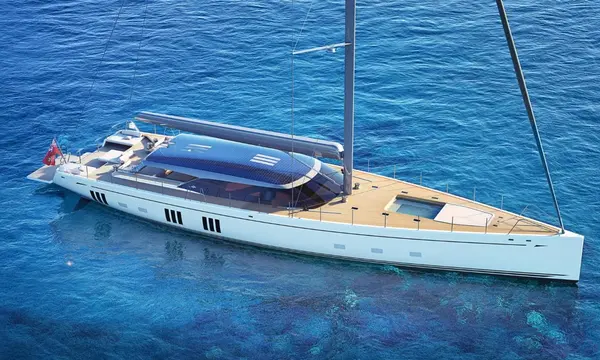
Oyster Yachts has revealed a new 36m flagship designed with Frers, combining an adaptable guest layout and bluewater systems for extended cruising.
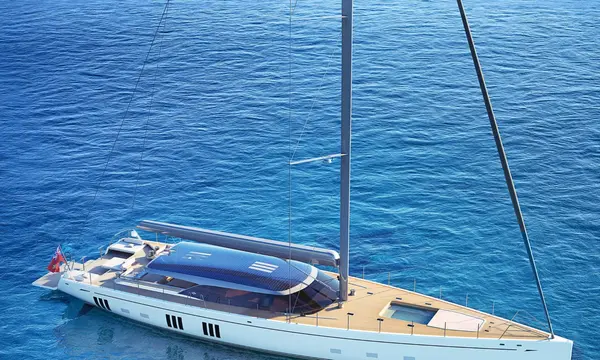
Oyster has fully revealed its 36m Frers-designed flagship at Monaco, confirming a 9.26m beam, 670m² sail plan and bluewater specification built around long-distance ownership.
Oyster Yachts has revealed the Oyster 36M, a Frers-designed 118-foot sailing flagship that opens a new generation for the British bluewater yacht builder.
Superyacht Guide
Continue into the wider Superyacht Guide.
Business opportunities · Superyacht Guide
Companies serving the superyacht market can discuss clearly identified advertising, sponsorship and business-profile opportunities. Commercial activity remains separate from independent editorial coverage.